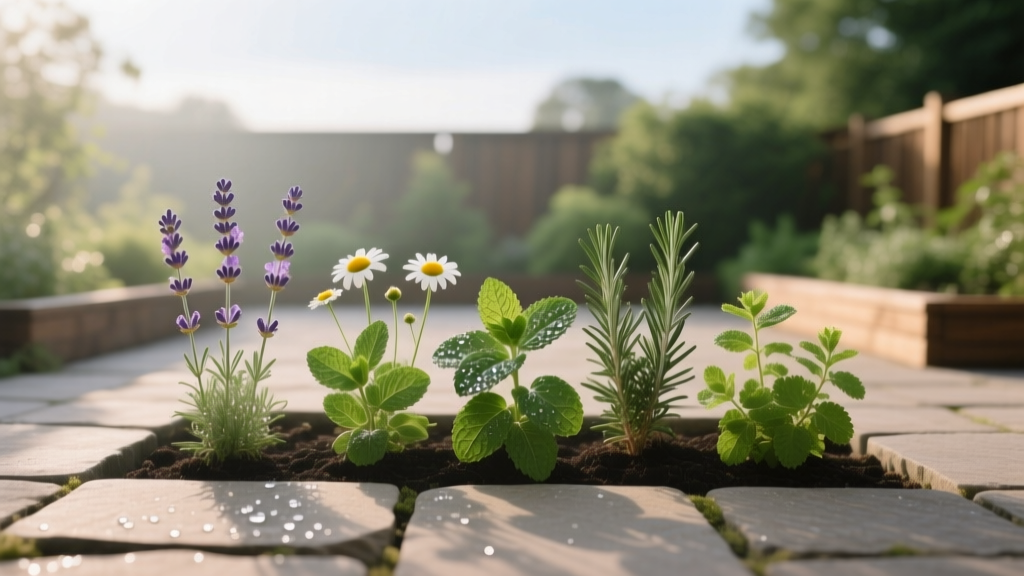
5 Garden Hacks for Healing Herb Garden
The most common mistake I see in “healing herb” gardens isn’t plant choice—it’s layout. People tuck a few medicinal herbs into random corners, then wonder why the mint is eating the bed, the basil tastes bland, and the chamomile flops. Herbs that support wellness tend to be powerfully aromatic, fast-growing, and (often) happiest with lean soil and sharp drainage—so the hack is designing the garden to match their personalities, not your empty spaces.
Below are five shortcuts I use to make medicinal herb beds more productive, easier to manage, and cheaper to maintain. Each one is specific, proven, and meant to save you time (and sometimes a surprising amount of money).
Group 1: Build a bed that makes herbs “act right”
Hack #1: Use a “Lean Soil + Sharp Drainage” recipe (and stop feeding herbs like tomatoes)
Many healing herbs—thyme, oregano, sage, lavender—lose flavor and flop in rich, wet soil. Instead of amending everything with heavy compost, create a lean mix that drains fast: 2 parts native soil : 1 part compost : 1 part coarse sand or fine gravel for Mediterranean herbs, and keep richer soil (more compost) for leafy herbs like lemon balm and parsley. If you’re working in containers, aim for a potting mix cut with 20–30% perlite or pumice so roots don’t sit wet.
Real-world example: A backyard grower in Raleigh had lavender dying every summer in a compost-heavy bed. Switching to a 12-inch-high raised strip with the lean mix and adding gravel mulch kept the crown dry; the plants overwintered and finally bloomed the next year.
For a science-backed nudge: the USDA notes that good drainage is foundational for root health and reduces root disease pressure (USDA NRCS, 2020). If you’ve been “loving” your herbs to death with water-holding soil, this one change fixes a lot.
Hack #2: Gravel-mulch Mediterranean herbs (it’s not just for looks)
Organic mulches (wood chips, shredded leaves) are great in veggie beds, but they can hold moisture against the crown of rosemary, lavender, and thyme. A 1–2 inch layer of pea gravel or crushed stone around these herbs keeps stems dry, reflects heat, and reduces fungal issues—especially in humid summers. Bonus: it discourages slugs and makes it easier to spot pests.
DIY alternative: If buying bags of gravel isn’t in the budget, use broken brick chips or crushed terracotta from old pots (rinse dust off first). Expect to spend around $6–$8 per 0.5 cu ft bag for pea gravel at big-box stores; chipped terracotta is often free if you’ve got a “graveyard” of cracked pots.
Case scenario: In a coastal garden with frequent fog, swapping bark mulch for gravel around sage and thyme reduced stem rot and kept foliage cleaner after rain splashes.
Group 2: Control the “bullies” without losing the medicine
Hack #3: The “Mint Jail” system—grow aggressive herbs in bottomless pots sunk into the bed
Mint, lemon balm, and some types of oregano spread fast and will absolutely take the scenic route into every inch of your garden. The easiest containment trick: sink a 10–12 inch nursery pot into the bed, remove the bottom (or drill multiple 1/2 inch drainage holes), and plant inside it. Keep the rim 1 inch above soil level so runners can’t hop out.
Real-world example: A community garden plot used to get “minted” every year—mint invaded paths, neighboring beds, everything. After switching to three bottomless pots (one peppermint, one spearmint, one lemon balm), the mint stayed put, and harvesting became a quick snip instead of a weekly excavation.
Money saver: This method uses cheap nursery pots (often free from garden centers if you ask) instead of buying large containers. A new 3-gallon pot runs roughly $3–$6, while a decorative container can be $25+.
Hack #4: Harvest like a barber: schedule “hard cuts” to keep medicinal herbs tender and potent
Healing herb gardens get messy when harvesting is random and timid. A better approach is a timed haircut: for basil, lemon balm, and mint, cut back by 1/3 every 10–14 days during peak growth, always cutting just above a node to trigger branching. For woody herbs like rosemary and sage, do lighter trims—about 2–3 inches of soft growth—avoiding old, leafless wood that may not resprout.
Why it works: Frequent, strategic harvest encourages bushier plants and reduces flowering (which can shift flavor). For many culinary-medicinal herbs, the best leaf quality is right before bloom, when oils are high and texture is tender.
Expert-backed note: Many extension services recommend harvesting herbs in the morning after dew dries but before strong heat, when aromatic oils are often at their peak (for example, University of Minnesota Extension, 2019).
Group 3: Drying and storage hacks that keep the “healing” in your herbs
Hack #5: Dry herbs with a paper-bag + fan method (fast, clean, and higher quality than “sun drying”)
Sun drying sounds charming, but it can bleach color and cook off fragrance. For a reliable home setup, bunch herbs in small bundles (about 10–15 stems), place them upside-down in a paper bag, and cut a few side slits for airflow. Aim a small fan on low across the room—not directly into the bag—and most leafy herbs dry in 3–7 days depending on humidity.
Real-world example: A gardener in Houston (humid summers) couldn’t air-dry oregano without mold. With the paper-bag + fan method, oregano dried in 5 days with no musty smell and stayed greener than countertop drying.
Storage rule that actually matters: Once fully dry, store whole leaves (not crushed) in airtight jars away from light. Crush only what you need; whole leaves hold aroma longer. Label with the date—most dried herbs are best used within 6–12 months for peak flavor and fragrance.
“Drying herbs quickly at moderate temperatures and storing them away from heat and light helps preserve color and volatile oils.” — Cooperative Extension guidance on herb processing and storage (adapted from extension recommendations; see sources below)
Quick comparison table: Two ways to manage a healing herb garden on a budget
| Problem | Method A (Common) | Method B (Hack) | Cost & Result |
|---|---|---|---|
| Mint taking over | Plant directly in bed and “pull extras” | Sink a bottomless 10–12 inch pot (“mint jail”) | A: Free upfront, high ongoing labor. B: $0–$6 upfront, low labor, contained patch. |
| Lavender/rosemary dying | Rich compost soil + wood mulch | Lean soil mix + 1–2 inch gravel mulch | A: Compost-heavy beds can stay wet. B: Gravel costs $6–$8/bag, often improves survival in humid climates. |
| Moldy dried herbs | Air-dry on a plate or in a sunny window | Paper-bag + fan dry in 3–7 days | A: Higher spoilage risk. B: Low cost (bag + fan), more consistent quality. |
| Leggy basil/lemon balm | Harvest a few leaves when needed | Cut back 1/3 every 10–14 days | A: Plants flower early, get lanky. B: Bushier plants, more harvest overall. |
Three real-world healing herb garden setups (and how these hacks show up)
Scenario 1: Balcony grower with five containers and constant wind
Use the lean, fast-draining container mix with 20–30% perlite so pots don’t stay soggy after sudden storms. Put mint in its own “jail” pot so it doesn’t bully smaller herbs in the same container. Dry harvests indoors using the paper-bag + fan method because outdoor air can be dusty and inconsistent.
Scenario 2: Suburban raised bed with clay soil and summer humidity
Build the bed at least 12 inches tall for drainage, then reserve one end for Mediterranean herbs with gravel mulch. Schedule a “barber day” every other weekend—set a phone reminder for 10–14 days—and you’ll prevent the whole bed from turning into a tangled thicket. If you want a quick win, start with thyme, oregano, and sage in the drier zone and lemon balm in the richer zone.
Scenario 3: Community garden plot where theft and trampling happen
Grow your most-used tea herbs (mint, lemon balm) in sunken pots so they’re easy to harvest fast and don’t sprawl into paths where they get stepped on. Keep harvests frequent and obvious—shorter, bushier plants look “maintained” and are less likely to be mistaken for neglected weeds. Dry herbs at home rather than leaving bundles hanging at the plot.
Extra insider notes (small moves that make these hacks work better)
Label by purpose, not just plant name. If your goal is a healing herb garden, labels like “Tea: Calm” (lemon balm), “Steam: Clear” (thyme), or “Soothing rinse” (chamomile) make you more likely to harvest and use what you grow. A $1 paint marker on recycled plastic tags lasts longer than pen.
Don’t over-bundle herbs for drying. If your bundle is thicker than about 1 inch at the stems, airflow drops and mold risk rises—especially for basil and mint. Split into smaller bundles; you’ll get better color and a cleaner smell.
Keep a “mother plant” and a “harvest plant” when you can. For heavy-use herbs like mint or basil, having two plants means you can cut one hard while the other recovers. This is especially helpful if you’re making weekly tea or salves and need a dependable supply.
Watch for the compost trap. Compost is amazing, but if you’re topping up a herb bed every season, you can accidentally make soil too rich and water-holding. For Mediterranean herbs, a light top-dress—about 1/2 inch compost max—often beats a thick annual layer.
Make one “dry zone” and one “lush zone.” This is the shortcut that makes everything else easier: keep thyme/sage/rosemary/lavender together in the driest, gravel-mulched area; keep basil, lemon balm, parsley, and chives in the slightly richer zone. When plants with opposite preferences share the same watering pattern, somebody always suffers.
Sources you can trust (and I actually use)
University of Minnesota Extension (2019) — Herb harvesting and drying recommendations, including best timing and handling to preserve quality.
USDA Natural Resources Conservation Service (2020) — Soil drainage and soil health principles that influence root disease and plant performance.
If you try just one hack this week, make it the “mint jail” or the gravel mulch swap—both are fast, visible wins. After that, the timed harvesting routine is what turns a healing herb garden from a pretty patch into something you can actually use all season without getting overwhelmed.