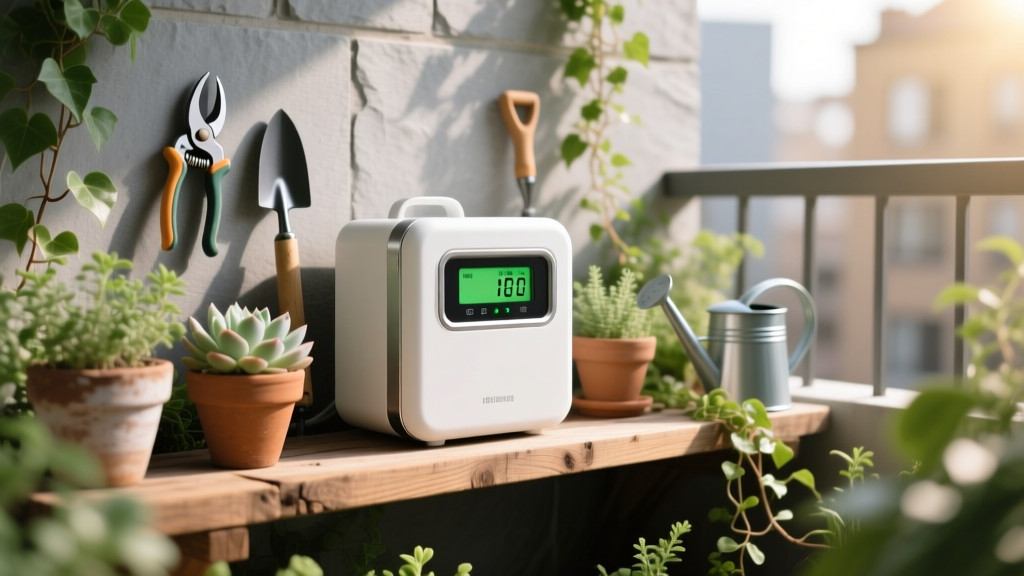
Making a Garden Irration Timer Box
Most garden irrigation timers don’t die from “bad electronics”—they die from water that sneaks in through the cord opening or condensation that builds up inside a sealed box. The common mistake is grabbing the first “waterproof” container and drilling a couple holes, which turns it into a tiny greenhouse where moisture condenses on the timer every cool night. A good timer box is less about brute-force waterproofing and more about smart water management: drip loops, vents, cable glands, and mounting height.
Below are practical, proven tips to build a timer box that protects your gear, makes programming easier, and cuts down on weird intermittent failures mid-season.
Start With the Right Box (Not Just Any Plastic Container)
Tip: Pick a box that’s weather-resistant and roomy enough to work in
A timer box should have enough space for your timer, fittings, a loop of hose or cable, and your fingers—crowding is how you crack housings and kink lines. A good baseline is an enclosure around 12" x 10" x 6" (roughly 30 x 25 x 15 cm) for a typical hose-bib timer plus slack. Look for UV-stabilized plastic or fiberglass; thin “storage bin” plastic gets brittle in sun within a season or two.
Example: If your timer is 7" tall and you need a 2" bend radius for the hose/cord inside, a 6" deep box stops you from pinching connections when you close the lid.
Tip: Don’t over-trust the word “waterproof”—check the rating
If you’re buying an enclosure, look for NEMA 3R (rainproof) or NEMA 4X (watertight + corrosion resistant). For most gardens under an eave or on a fence, NEMA 3R is often enough if you add proper glands and drip loops. If the box will get hit by sprinklers or hose spray, aim for NEMA 4X and you’ll sleep better.
Cost reality: A basic NEMA 3R plastic enclosure often runs $20–$35; a solid NEMA 4X can be $45–$90—still cheaper than replacing a $50–$80 timer every year.
Tip: Choose a light color (or paint it) to reduce heat stress
Timers and batteries hate heat. A dark box sitting in full sun can run dramatically hotter than ambient, and heat accelerates battery drain and LCD failures. Use a light-gray or white enclosure, or paint a darker box with exterior UV-resistant white spray paint.
Example: On a west-facing fence, swapping from black to light gray can be the difference between the screen going blank at 3 p.m. and staying readable all summer.
Mounting Tricks That Prevent 80% of Failures
Tip: Mount it higher than you think—keep it out of splash zones
Mount the box so the bottom sits at least 18–24 inches above soil/mulch. That keeps it away from puddles, mulch splashback, and the “mud line” that forms during heavy rain. If you’re near a lawn sprinkler, mount even higher or move to the opposite side of the post.
Scenario: A vegetable gardener mounted a timer box 6" above mulch near a drip manifold; after one season, the lid seam was packed with wet compost. Remounting at 24" solved the problem without changing the box.
Tip: Use spacers so the box isn’t flush to a fence
A box mounted tight to wood traps moisture and encourages rot, plus it limits airflow that helps dry condensation. Add 1/2" spacers (rubber washers, nylon spacers, or a scrap of PVC board) behind the enclosure so air can circulate. You also get room to route cords cleanly.
Example: Two stacked 1/4" nylon spacers under each mounting screw are cheap and stop the “wet back” problem on shaded fences.
Tip: Put the hinge side upwind and the latch side downwind
Wind-driven rain sneaks into lids most easily on the downwind edge. If you can, orient the box so prevailing storms hit the hinge side first, and the latch seam is protected. It sounds fussy, but it’s a free upgrade.
Seal the Openings the Right Way (No, Not With Silicone Everywhere)
Tip: Use cable glands, not random grommets
The cleanest, most reliable way to pass a hose-sensor wire or low-voltage cable through a box is a proper cable gland (also called a cord grip). Pick a gland sized to your cable diameter—common garden sensor cords do well with M16 or M20 glands. They compress evenly and stay watertight even when the cord moves.
Cost: A 5-pack of nylon glands is often $8–$15, and you’ll use them on other garden projects too.
Tip: Drill holes low and add a drip loop before the entry point
Water follows cords and hoses like a tiny highway. Route cords downward first to make a 2–3 inch drip loop, then bring them up to the entry gland; the lowest point of the loop sheds water instead of feeding it into the box. Put entry holes on the sides or bottom—never on the top.
Example: If your soil-moisture sensor wire enters from the side, zip-tie it to the mounting post below the gland so the loop stays in place after you tug on it.
Tip: Skip silicone for most seals—use gasket tape where you need it
Silicone can trap moisture, make future maintenance miserable, and doesn’t bond well to some plastics long-term. If your lid seam needs help, use closed-cell foam gasket tape (about 1/4" wide) around the rim and compress it evenly. Save silicone for very specific spots, like around a fixed bulkhead fitting, and keep it thin.
Tip: Add a tiny vent to prevent condensation (the “counterintuitive” win)
A fully sealed box can still fill with moisture from humid air and temperature swings—then it condenses on the coldest surface (usually the timer body). A small vent plug or hydrophobic membrane vent equalizes pressure and reduces internal condensation without letting rain blow in. Look for “enclosure vent” plugs; one vent is often enough for a small box.
Expert perspective:
“Condensation is a frequent cause of corrosion and intermittent electrical issues in outdoor enclosures; pressure equalization vents can significantly reduce moisture accumulation.” — NEMA enclosure design guidance referenced in industrial enclosure best practices (see also IEC outdoor enclosure notes)
Plumbing + Timer Layout That Makes Maintenance Easy
Tip: Put the timer on a removable backer board inside the box
Instead of screwing the timer directly into the enclosure, mount it to a PVC board or treated wood panel (like a 1/2" thick scrap) and screw that panel into the box. When you need to change batteries or swap models, you can pull the whole assembly without wrestling with tiny screws in tight corners.
Example: One homeowner kept a second pre-programmed timer on a spare backer board; when the first failed, the swap took under 5 minutes.
Tip: Add a cheap shutoff valve where you can reach it fast
Install a ball valve upstream of the timer so you can isolate the box without shutting down the whole spigot line. A 3/4" hose-thread ball valve is usually $10–$18 and saves you from panic-sprays when you need to open the box. Mount it so the handle is accessible without removing the timer.
Tip: Keep bends gentle—aim for a 2" minimum bend radius for hoses
Kinked hoses stress fittings and cause sneaky leaks that fog your enclosure from the inside. Route hoses so they curve, not fold; if space is tight, use a 90-degree elbow designed for hose thread rather than forcing a hard bend. Tight bends also reduce flow, which matters a lot on drip systems with long runs.
Tip: Label zones and dates inside the lid (future-you will thank you)
Stick a piece of waterproof label tape inside the lid with your zone names and the last battery change date. It prevents “mystery zone” confusion when you’re troubleshooting in a hurry. Add your timer’s default program too, so a factory reset doesn’t wreck your schedule.
Power, Batteries, and Electronics: Keep It Boring (Boring Is Reliable)
Tip: Use lithium AA/AAA batteries if the timer allows it
Lithium batteries handle heat/cold swings better and are less likely to leak than alkalines. They cost more upfront (often $6–$12 for a pair vs. $2–$4 for alkalines), but a leak can destroy a timer instantly. If your timer manufacturer allows lithium, it’s one of the best “set it and forget it” upgrades.
Example: In a high-desert garden with freezing nights and hot afternoons, switching to lithium stopped mid-season low-battery errors.
Tip: Keep wire connections off the floor of the box
If any water ever gets inside, the bottom is where it will sit. Mount wire splices and connectors at least 1 inch above the enclosure floor using adhesive-backed cable tie mounts or a small bracket. It’s a simple habit that prevents corrosion on the first rainy week.
Tip: Use dielectric grease on low-voltage plugs and sensor connections
A tiny smear of dielectric grease on plug pins helps block moisture and reduces oxidation. Don’t glob it—think “thin film,” not “peanut butter.” This is especially helpful if you run rain sensors or soil moisture sensors into the same box.
Watering Performance Hacks (Because a Timer Box Should Improve Your Garden, Not Just Hide Gear)
Tip: Match run time to soil intake rate to prevent runoff
Clay soils absorb water slowly; sandy soils absorb quickly but don’t hold it long. A practical shortcut is “cycle and soak”: run 2 cycles of 10 minutes with a 30–60 minute gap instead of one 20-minute blast on tight soils. This reduces runoff and gets water deeper where roots actually use it.
Source: Texas A&M AgriLife Extension has long recommended cycle-and-soak scheduling to reduce runoff and improve infiltration (Texas A&M AgriLife Extension, 2019).
Tip: Use a cheap rain gauge and adjust weekly by a simple number
Put a $5–$12 rain gauge near the irrigated area. If you got 1 inch of rain this week, skip one deep watering for many established landscapes; if you got 0.1", don’t assume it “counts.” That little bit often just wets mulch and evaporates.
Source: University of California Agriculture and Natural Resources emphasizes measuring rainfall and adjusting irrigation to avoid overwatering and runoff (UC ANR, 2020).
Tip: Set your start time to early morning, not nighttime
Early morning watering (think 4 a.m. to 8 a.m.) reduces evaporative loss compared to midday and helps foliage dry faster than late-night watering. Timers make this easy—use them to water when you’re asleep, not when you’re out with a hose. If you’re using drip under mulch, the disease risk is lower, but morning is still a good default.
Comparison Table: Two Common Timer Box Builds
| Feature | Budget DIY Box | “Set-and-Forget” Box |
|---|---|---|
| Base container | Thick plastic utility box (~$15–$25) | NEMA 4X enclosure (~$45–$90) |
| Cable/hose entry | Rubber grommet + careful drip loop | Proper M16/M20 glands + drip loop |
| Condensation control | Small screened vent hole (DIY) | Membrane vent plug (~$10–$18) |
| Maintenance access | Timer screwed to box wall | Timer mounted to removable backer board |
| Best for | Covered patios, mild climates, low spray | Full exposure, sprinklers nearby, humid regions |
3 Real-World Builds (So You Can Copy What Fits Your Garden)
Scenario 1: Small raised-bed drip system on a fence spigot
For a couple of 4' x 8' raised beds, mount a 12" x 10" x 6" box at 24" height on the fence post beside the spigot. Run the timer to a 3/4" ball valve, then to a filter/regulator and your drip manifold; keep the fittings inside the box only if you have clearance for gentle bends. This setup keeps the timer shaded by the box and makes it easy to reach the manual “water now” button without crouching in the mulch.
Scenario 2: Lawn + beds where sprinklers blast the enclosure
If sprinklers hit the box, use a NEMA 4X enclosure and position it outside the spray arc if possible. Add cable glands for any sensor wires, and avoid top entry points entirely. One homeowner solved repeated timer failures by simply moving the enclosure 3 feet to the other side of the post (out of direct spray) and adding a vent plug—same timer, zero issues after that.
Scenario 3: Community garden plot where theft and “helpful hands” happen
In shared spaces, you want tamper resistance and fast access. Use a lockable enclosure (even a small cam lock) and label the inside clearly so others don’t “fix” your settings. A simple hack: zip-tie a laminated watering schedule inside the lid and keep a spare set of batteries taped in a small bag—then if your timer dies mid-week, you’re not waiting until Saturday to revive the beds.
DIY Alternatives (If You Don’t Want to Buy a Fancy Enclosure)
Tip: Convert a sturdy ammo can—then prevent the condensation trap
Ammo cans are rugged and often under $20–$30, but they’re metal (condensation city) and they conduct temperature swings fast. If you use one, add a vent plug and mount the timer on a plastic backer board so it doesn’t touch the metal walls. Paint the can a light color to reduce heat.
Tip: Use a “roof” instead of a fully sealed box in dry climates
In arid areas where rain is rare but sun is brutal, a small shade roof can outperform a sealed container. A scrap of corrugated plastic or a bit of exterior plywood mounted above the timer (like a mini awning) blocks UV and direct rain while allowing airflow. This can be a better choice than a sealed box that traps heat at 100°F+ summer temps.
Tip: Build a quick access panel with magnetic latches
If you’re constantly tweaking programs, make the lid easy to open with one hand. Add a magnetic catch and a simple pull tab, but keep the main latch too if kids or pets are around. Fast access means you actually use the timer features instead of leaving it on a “good enough” schedule all season.
Small Details That Save Big Headaches
Tip: Put a tiny desiccant pack inside—but treat it as a diagnostic tool
A silica gel pack helps buffer short-term humidity spikes, but it won’t fix a leaky gland or a missing drip loop. If the pack saturates quickly, that’s your clue that moisture is getting in. Replace it monthly during rainy season until you’re confident the enclosure stays dry.
Tip: Leave slack—strain relief prevents cracked housings and loose ports
Timers fail when hoses or cords tug on the body every time you open the lid. Leave 3–4 inches of slack inside the box and secure lines with a zip-tie mount so movement happens in the slack, not at the port. This is especially important for hose-bib timers with plastic threads.
Tip: Do a 2-minute “storm test” before you trust it
After assembly, close the box and spray it with a hose from multiple angles for 2 minutes, then open and inspect with a flashlight. Check the floor, the underside of the lid, and around every gland. Fixing a leak now is a lot nicer than discovering it after your tomatoes wilt on day four of a heatwave.
If you build your timer box with drip loops, proper glands, a little airflow, and a layout that’s easy to service, you’ll stop treating irrigation like a fragile gadget and start treating it like infrastructure. The best part is how quickly it pays off: one avoided timer replacement (or one saved weekend of hand-watering) covers the cost of doing the box right the first time.
Sources: Texas A&M AgriLife Extension (2019) guidance on cycle-and-soak/infiltration-focused scheduling; University of California Agriculture and Natural Resources (UC ANR, 2020) recommendations on measuring rainfall and adjusting irrigation to reduce runoff and overwatering.