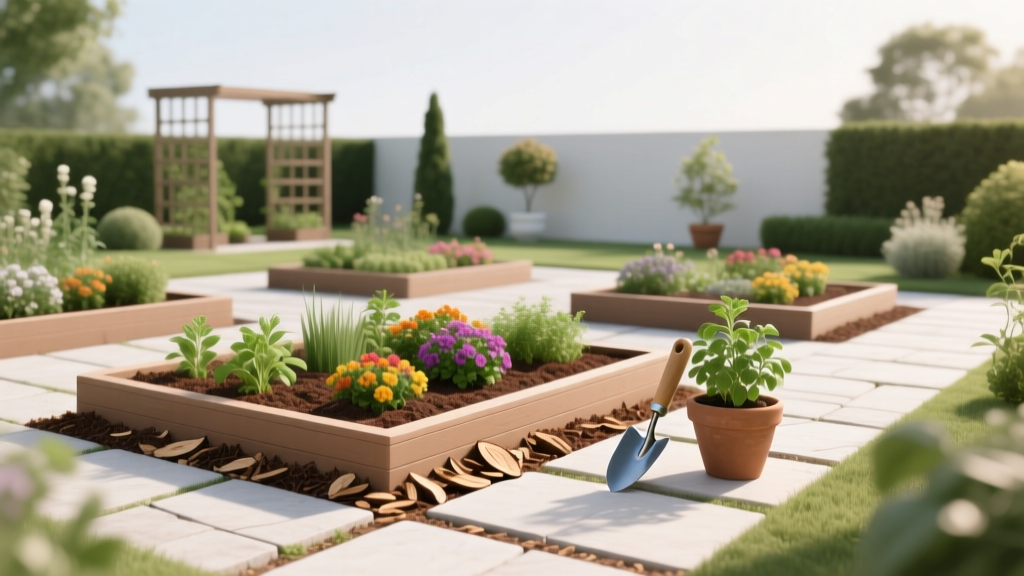
15 Garden Hacks for Garden Weed Prevention
Most weed problems don’t start with “too many weeds.” They start with bare soil. The minute sunlight hits exposed dirt, weed seeds get a warm invitation to sprout—often before your seedlings even figure out which way is up. If you fix the bare-soil issue (and a few sneaky habits that spread seeds), you can cut weeding time dramatically without living on your knees.
Below are the weed-prevention hacks I lean on when I want a tidy garden with less grunt work—organized by where they matter most: your soil surface, your pathways and borders, and your habits/timing.
Group 1: Win the “soil surface” battle (where weeds actually begin)
1) Mulch to a real thickness (not the “dusting” most people do)
Hack: Apply mulch deep enough to block light: 2–3 inches for shredded leaves/composted bark, and 3–4 inches for straw in veggie beds. A thin layer looks nice for a week, then weeds punch right through it. Keep mulch 2 inches away from plant stems to avoid rot and rodent hiding spots.
Example: In a 4 ft x 8 ft bed (32 sq ft), 3 inches of mulch is about 8 cubic feet—roughly 6 bags if you buy 1.5 cu ft bags. That’s a one-time “big” job that pays you back all season.
2) Put cardboard under mulch (instant weed shutdown)
Hack: Lay plain cardboard (remove tape/staples) with a 6-inch overlap between sheets, soak it, then cover with 3 inches of mulch. Cardboard blocks light immediately and breaks down into soil over time. This is my go-to for converting a weedy patch fast.
Example: When turning lawn into a new bed, I’ll use shipping boxes from neighbors—free sheet-mulch that replaces $30–$60 worth of landscape fabric.
3) Use “living mulch” between rows (clover, alyssum, or straw + seed)
Hack: Don’t leave row spaces naked. Sow low growers like sweet alyssum or white clover in pathways, or tuck them between wider-spaced crops. They shade soil, reduce weed germination, and can attract beneficial insects.
Example: In a tomato bed, I’ve had great results planting alyssum along edges; it fills in within a few weeks and keeps the soil surface cooler and darker, where weeds struggle.
4) Pre-sprout weeds with the “stale seedbed,” then erase them
Hack: Prepare your bed as if you’re ready to plant, water it, and wait 7–14 days for the first flush of weeds. Then skim them off with a hoe or flame weeder without turning the soil deeply. You’re basically tricking weed seeds into revealing themselves.
Example: For carrots (slow to germinate), this can be a game-changer: fewer weeds competing while you wait for seedlings. University of California Agriculture & Natural Resources notes stale seedbeds as a proven method to reduce weed pressure when managed carefully (UC ANR, 2019).
5) Hoe when weeds are at the “thread stage” (timing beats effort)
Hack: Run a sharp stirrup/scuffle hoe over the top 1 inch of soil when weeds are tiny—white-thread seedlings, not leafy monsters. Do it on a sunny, breezy day so uprooted weeds desiccate fast. This is faster than hand-pulling and avoids disturbing deeper weed seeds.
Example: A 10-minute hoe pass twice a week can replace a 90-minute weekend weeding session once weeds mature.
6) Water with intention: drip lines + dry surface = fewer weeds
Hack: Switch from overhead sprinklers to drip irrigation or soaker hoses under mulch. You’re feeding your crops while keeping the surrounding soil surface drier—weed seeds hate inconsistent moisture. Bonus: less foliar disease.
Example: A basic soaker hose setup for a small garden can run $15–$30, and it often pays back in time saved (and fewer weeds in paths).
Group 2: Barriers that work (and the ones that waste your money)
7) Skip landscape fabric in beds—use it only under gravel paths
Hack: Landscape fabric is tempting, but in planting beds it often becomes a weed nursery as mulch and soil build up on top. Use fabric under 2–3 inches of gravel in paths instead, where you’re not constantly planting and disturbing it.
Example: If you’ve ever tried to pull a weed whose roots are tangled through fabric, you know it’s a long-term annoyance. In contrast, fabric under gravel can keep paths tidy for years with minimal maintenance.
8) Edge your beds like you mean it (a 4–6 inch “moat”)
Hack: Cut a clean edge around beds at least 4–6 inches deep to slow creeping grasses and runners. A sharp spade once a month during peak growth beats fighting bermudagrass or quackgrass inside your beds later.
Example: In a front-yard flower border, a crisp edge also keeps mulch from washing into the lawn and makes everything look “maintained” even when you’re busy.
9) Solarize small areas with clear plastic (the heat hack)
Hack: For a badly infested patch, stretch clear plastic tight over moist soil for 4–6 weeks during the hottest part of summer. The trapped heat knocks back many weed seeds and pathogens in the top soil layer. It works best when daytime highs are consistently warm.
Example: If you’re renovating one bed before fall planting, solarizing in July/August can reduce the weed seed bank significantly. UC IPM describes solarization as effective when soil is moist and plastic is sealed well (UC IPM, 2020).
10) Use black plastic or silage tarp for “occultation” (less fuss than solarizing)
Hack: Cover soil with a black tarp for 3–8 weeks. Instead of cooking weeds, you deprive them of light and exhaust their stored energy as they try to sprout. This is a favorite for cool or cloudy regions where solarization is hit-or-miss.
Example: If you inherit a weedy community garden plot in spring, tarp it while you’re still deciding what to plant—then peel back and plant into a much cleaner slate.
11) Make paths “weed-hostile” with wood chips, thick
Hack: For garden paths, lay cardboard and top with 4–6 inches of wood chips. Paths are where weeds quietly go to seed and then blow back into beds. Thick chips compress over time, so top up annually.
Example: Many towns offer free or cheap arborist chips. A single delivery (often $0–$40 depending on area) can cover multiple paths—far cheaper than bagged mulch.
| Method | Best for | Typical depth/time | Upfront cost (small garden) | Common failure point |
|---|---|---|---|---|
| Cardboard + mulch | Beds, new areas | Cardboard + 3 in mulch | $0–$50 | Gaps/overlaps too small; mulch too thin |
| Landscape fabric + mulch | Mostly paths | Fabric + 2–3 in cover | $20–$80 | Soil builds on top and weeds root into it |
| Stale seedbed | Seeded crops | 7–14 days + shallow hoe | $0–$20 | Deep cultivation brings new seeds up |
| Black tarp (occultation) | Plot reset, cool climates | 3–8 weeks | $25–$100 | Tarp not pinned tightly; light leaks |
Group 3: Stop importing weeds (the hidden source)
12) Don’t spread “hot” compost—finish it or quarantine it
Hack: Compost only prevents weeds if it’s finished. If your pile didn’t reach weed-seed-killing temps (often cited around 131°F/55°C for several days in managed composting), you can accidentally sow your beds with fresh seeds. If you’re unsure, use that compost under cardboard/mulch or in the bottom of new beds, not as a top dressing.
Example: A gardener friend once top-dressed with half-finished compost and got a carpet of lamb’s quarters. Same compost, used under a thick mulch layer the next season, caused far fewer issues.
“Weed management is most effective when you prevent weeds from setting seed and reduce the number of viable seeds in the soil over time.” — Penn State Extension, weed management guidance (2022)
13) Inspect nursery pots and bagged soil like you’re checking for stowaways
Hack: Before planting, look for tiny weeds in container soil and pull them immediately. Tap the root ball and remove any visible runners (especially mint family escapees). Bagged soil can also carry fungus gnat eggs and occasional weed seeds—store it sealed and don’t leave it open where windblown seeds can colonize.
Example: If you see oxalis (little clover-looking leaves) in a nursery pot, don’t “hope it’s fine.” It spreads fast and is easier to stop at the gate.
14) Add a “boot brush rule” (paths are seed highways)
Hack: Keep a stiff brush by the garden gate and knock soil off shoes, tools, and mower wheels—especially after walking through weedy areas. Seeds hitchhike in mud and stuck-on plant bits. It’s a 20-second habit that reduces new introductions.
Example: Community garden scenario: if you share a hose cart or wheelbarrow, you’re also sharing seeds. A quick brush-off before entering your plot makes a noticeable difference by midsummer.
Group 4: Smarter planting patterns (shade is weed suppression)
15) Plant closer—then thin properly (canopy beats weeds)
Hack: The goal is fast canopy cover that shades soil, but without crowding crops into disease and low yields. For greens, sow thickly, then thin to the recommended spacing; the early density blocks weeds, and thinnings become salad. For transplants (like peppers), use mulch plus a tighter bed design so leaves overlap sooner.
Example: In a salad bed, you might sow lettuce mixes in bands and thin to 6–8 inches. You’ll get early harvests from thinnings and far fewer weeds than widely spaced single rows.
Real-world scenarios (how these hacks play out in actual gardens)
Scenario 1: The new homeowner yard-turned-garden. If you’re carving beds out of weedy lawn, start with cardboard + 3 inches of mulch, then plant through holes. Edge the bed to 6 inches, and chip the paths at 4–6 inches. In the first season, your job is not perfection—it’s stopping seed production and keeping soil covered.
Scenario 2: The busy weekend gardener with raised beds. Use drip lines under mulch and run a stirrup hoe pass midweek if you can spare 10 minutes. Add stale seedbeds for slow crops (carrots, beets) so you’re not hand-weeding while seedlings are tiny. The combo that usually saves the most time is: 3-inch mulch + drip + early hoeing.
Scenario 3: The gravel-path situation that keeps going green. Put landscape fabric under gravel only if you can scrape existing weeds first, then add a fresh 2–3 inches of gravel. If gravel is thin, sunlight reaches the fabric, dust accumulates, and weeds root right on top. A thick chip path is often cheaper and easier to refresh than constantly re-graveling.
Scenario 4: The inherited “weed jungle” plot at a community garden. Tarp it first. A black silage tarp for 4–6 weeks can turn chaos into a manageable plot without chemicals or hours of pulling. While it’s tarped, gather cardboard and line up mulch or chips so you can keep it clean once the tarp comes off.
Weed prevention is basically a long game of stacking small advantages: block light, avoid stirring buried seeds, and never let weeds graduate to seed-making. Get your mulch depth right, keep pathways from becoming seed factories, and use tarps or stale seedbeds when you need a reset. Do that for one full season, and next year’s weed pressure usually drops enough that “maintenance” actually feels like maintenance.
Sources: University of California Agriculture and Natural Resources (UC ANR), stale seedbed and weed management resources (2019); University of California Integrated Pest Management (UC IPM), soil solarization guidance (2020); Penn State Extension, weed management principles (2022).