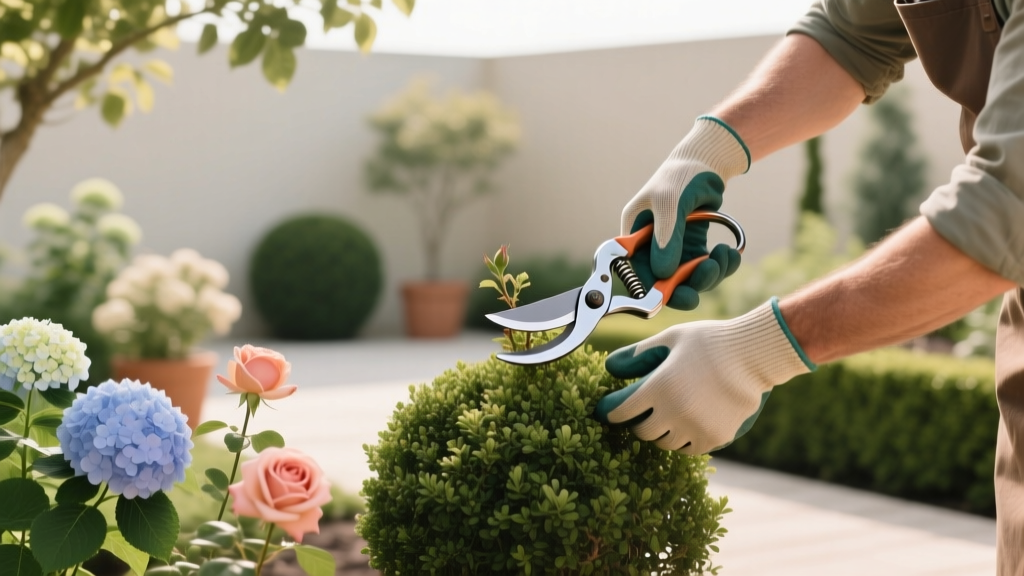
7 Things Every Gardener Should Know About Pruning
The fastest way to wreck next year’s blooms is to “tidy up” at the wrong time. I’ve watched gardeners shear lilacs and hydrangeas in October, then spend all spring wondering why the plants “stopped flowering.” Most pruning problems aren’t about having a black thumb—they’re about making one or two cuts that fight the plant’s natural schedule.
Let’s keep this practical: below are seven pruning truths that save time, prevent disease, and get you better flowers and fruit—without turning your yard into a science project.
Timing: prune with the plant’s calendar, not yours
1) The bloom rule that prevents 90% of “no flowers” complaints
Tip: If it blooms before mid-summer, it usually sets buds the year before—so prune it right after flowering. If it blooms late summer/fall, it usually blooms on new growth—so prune it in late winter/early spring before growth starts.
Example: Lilac, forsythia, and many old-wood hydrangeas (like bigleaf) should be pruned within 2–3 weeks after they flower; wait until fall and you’ll remove next year’s buds. Panicle hydrangea (Hydrangea paniculata) and most roses bloom on newer growth and can be pruned in late winter for bigger, cleaner flushes.
2) Winter pruning isn’t “always best”—here’s when it backfires
Tip: Cold-season pruning can invite dieback in tender plants and can spread certain diseases if you prune during wet weather. For trees like oaks, pruning during the wrong window can also increase pest risk.
Example: Many extension services recommend avoiding pruning oaks during peak oak wilt risk periods (often spring/early summer in many regions). If you must cut, make clean cuts and seal only if your local guidance advises it for oak wilt prevention. Always check your state extension for the specific “safe window” where you live (e.g., Texas A&M AgriLife Extension guidance on oak wilt management, 2021).
Cut quality: where you cut matters more than how much
3) Make the right cut: thinning beats heading most of the time
Tip: Use thinning cuts (removing a branch back to its origin) to open the plant and reduce congestion; use heading cuts (shortening a branch) only when you truly want more branching. Thinning keeps a plant’s natural shape and reduces the “broomy” regrowth that happens after random tip-chopping.
Example: On a mature shrub that blocks a walkway, remove 1–3 of the oldest stems at the base (thinning) instead of shearing the whole shrub into a cube. You’ll gain clearance immediately and the regrowth looks intentional rather than frantic.
| Technique | What you cut | Best for | Typical result | Common mistake |
|---|---|---|---|---|
| Thinning cut | Branch removed at point of origin (to trunk/parent branch) | Reducing size, improving airflow, keeping natural shape | Cleaner structure, less dense interior | Leaving a stub (slow healing, ugly sprouts) |
| Heading cut | Branch shortened to a bud or side branch | Stimulating branching, shaping young plants | Denser growth near cut, more shoots | Overuse on shrubs/trees (creates weak, crowded growth) |
4) The “branch collar” shortcut that helps wounds close faster
Tip: Cut just outside the branch collar (the slightly swollen ring where a branch meets trunk/parent branch). Don’t cut flush to the trunk and don’t leave a long stub—both slow closure and can invite decay.
Example: If you’re removing a 1-inch-diameter limb from a young maple, look for the collar bulge and angle your cut to preserve it. This is straight out of modern pruning standards used by arborists and extension services (see ISA pruning guidance; extension publications commonly emphasize collar-preserving cuts).
“Proper pruning cuts that avoid flush cuts and preserve the branch collar help the tree compartmentalize decay and close wounds more effectively.” — International Society of Arboriculture (ISA) pruning principles (widely cited in arboriculture training materials)
Plant health: prune to prevent problems, not just to “neaten up”
5) Airflow is disease prevention—aim for a hand-width of breathing room
Tip: For many shrubs and fruiting plants, your goal is a canopy you can “see through” a bit—think 4–6 inches of space between major stems in the interior. Better airflow dries leaves faster, which helps reduce fungal issues like powdery mildew and leaf spots.
Example: On roses, remove thin interior twigs and any crossing canes so the center isn’t a humid jungle. If you’ve battled black spot, this is one of the cheapest improvements you can make—no spray required, just smarter structure.
Scenario: Powdery mildew on zucchini-shaped lilac shrubs
A homeowner keeps shearing lilacs into tight balls each summer. The plant responds with dense outer growth and a shaded, stagnant interior—prime mildew conditions. Switching to thinning cuts (remove a few old stems at ground level each year) usually reduces mildew pressure and brings back that classic lilac vase shape.
6) The 3D rule: Dead, Damaged, Diseased—cut now, any season
Tip: Dead, damaged, and diseased wood doesn’t follow seasonal etiquette—remove it when you see it. Make cuts 6–12 inches below obvious disease symptoms (more for canker-prone plants) and dispose of infected material instead of composting.
Example: On a peach tree showing canker, cut back to healthy wood and sanitize tools between cuts. Many university extensions recommend disinfecting tools when working with known diseases; a common DIY disinfectant is 70% isopropyl alcohol wiped on blades, or a properly labeled disinfectant—quick, cheap, and effective (see UC IPM tool sanitation guidance, 2020).
Tools & technique: fewer cuts, cleaner cuts, less money
7) A sharp $25 pruner beats a dull $80 pruner—here’s the maintenance trick
Tip: Sharp blades make cleaner cuts that heal better and require less force (which also protects your wrists). A basic sharpening routine takes 3 minutes: wipe sap off, take 5–10 passes with a diamond file following the bevel, then add a drop of oil at the pivot.
Example: If your bypass pruners crush stems instead of slicing, you’ll see ragged edges on soft shrubs like boxwood or basil. A $10–$15 diamond file plus occasional pivot oil often saves you from replacing pruners every season.
Tool cost reality check (and a money-saving DIY alternative)
You don’t need a garage full of gear, but you do want the right tool for the cut size. Forcing small pruners through thick wood is how blades get nicked and hands get sore.
Quick sizing guide: use hand pruners up to about 3/4 inch, loppers for 3/4–1.5 inches, and a pruning saw for anything larger. If you’re regularly cutting 2-inch limbs, consider an inexpensive folding saw—often $20–$35—instead of muscling loppers.
Real-world pruning scenarios (with fixes that actually work)
Scenario 1: The overgrown foundation shrub that’s eating your window
Move: Instead of shearing the entire front (which triggers a dense “hedge shell”), remove the thickest stems at the base—start with 20–30% of the oldest wood. Then shorten a few remaining branches back to side shoots that face outward.
Why it works: You reduce size without creating a tight outer crust of leaves that shades the interior. Over 2–3 seasons, the shrub renews from the inside and looks intentional, not buzz-cut.
Scenario 2: The fruit tree that “makes leaves, not fruit”
Move: For many apples and pears, prioritize thinning cuts that open the center and reduce vertical, vigorous shoots (“water sprouts”). Keep scaffold branches spaced and aim for a structure where light reaches into the canopy for better fruiting wood development.
Specific hack: If you see a cluster of upright shoots on top after heavy pruning, rub off or pinch out some new shoots when they’re 3–6 inches long—faster than waiting until winter. This saves pruning time later and redirects energy toward fruiting spurs instead of a forest of whips.
Scenario 3: The hydrangea that never blooms (and the one that flops)
Move: Identify which hydrangea you have before cutting. Bigleaf (often blue/pink mopheads) commonly bloom on older wood, so prune lightly right after flowering; panicle types bloom on new wood and can be cut back in late winter for larger blooms.
Anti-flop trick: On panicle hydrangea, don’t cut every stem to the same height. Leave a few stems 6–12 inches taller as natural supports; the staggered structure reduces “all blooms on top” flopping without buying rings or cages.
Pruning shortcuts I wish more gardeners used
Keep a “one clean cut” mindset
Tip: Before cutting, decide the exact point you want the branch to end—usually at a side branch at least 1/3 the diameter of the removed portion (a common structural guideline for reduction cuts). That prevents stubby regrowth and keeps the plant looking natural.
Example: When reducing a viburnum that’s leaning into a path, don’t snip the tip back randomly; trace the branch to a strong outward lateral and cut there. It looks like the plant grew that way.
Skip wound paint for most plants (save your $12)
Tip: Most modern guidance doesn’t recommend pruning sealers for typical cuts; plants seal wounds by compartmentalizing internally, and sealers can sometimes trap moisture. Put that money into a sharper tool or a better saw.
Example: If you’re pruning a backyard maple, a clean collar-preserving cut is usually all you need. The exception is situation-specific guidance (like certain oak wilt prevention programs)—follow local extension recommendations rather than defaulting to a black tar product.
Sanitize tools strategically, not obsessively
Tip: You don’t need to disinfect after every cut in a healthy hedge, but you should disinfect between plants when you’re working around known disease. Keep a small spray bottle of 70% alcohol in your pocket; it’s quick and doesn’t corrode tools like repeated bleach dips can.
Example: Moving from a rose with suspicious cankers to a healthy rose? Spray, wipe, and move on. This is one of those 30-second habits that can save a whole planting.
Two reliable references (so you’re not guessing)
When pruning feels confusing, it’s usually because the plant’s biology is different than your assumptions. These two sources are consistently solid for home gardeners and align with current best practices:
1) UC IPM (University of California Integrated Pest Management), tool sanitation and plant disease prevention recommendations (2020). Practical for when disinfecting is actually worth your time.
2) Texas A&M AgriLife Extension, oak wilt avoidance timing and management guidance (2021). A good example of how “just prune in winter” isn’t universal.
Pruning gets dramatically easier when you stop trying to make every plant behave the same way. Match your cuts to the plant’s bloom habit, use thinning cuts as your default, and keep tools sharp enough that every cut feels almost effortless. Do that, and you’ll spend less time fixing mistakes—and more time enjoying plants that look like they were cared for by someone who knows exactly what they’re doing.