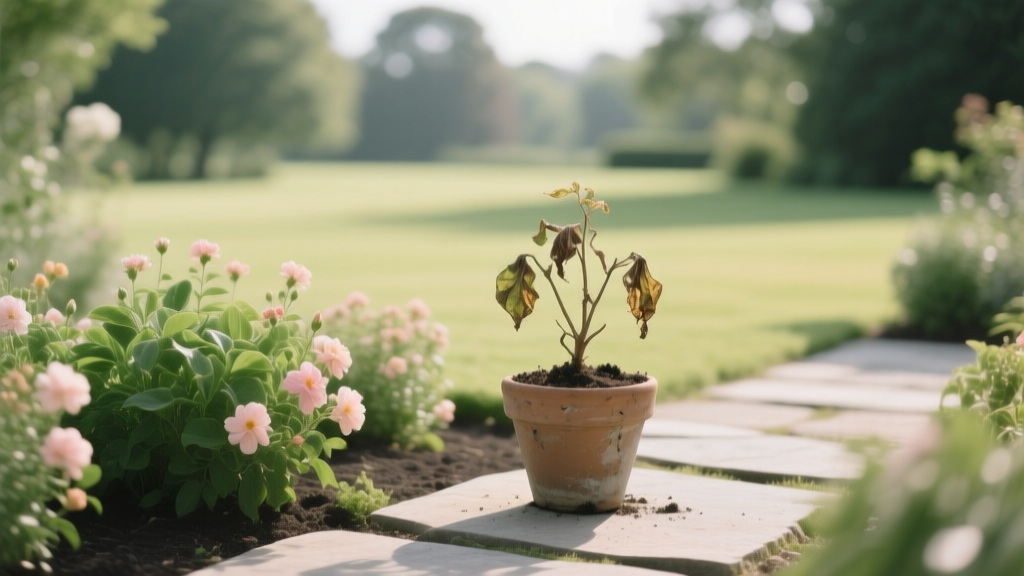
The One Garden Chore You Can Skip Without Consequences
The fastest way to make your garden need more work is to do one “helpful” chore too often: tilling (or deep digging) your soil every season. It feels productive—freshly turned earth, clean slate, instant gratification—but it’s one of those habits that quietly creates compaction, burns through organic matter, and invites weed seeds to the party.
The surprise is that many of the best-looking, most resilient gardens are built on the opposite approach: no-till (or low-till) gardening. Instead of flipping the soil, you add organic matter to the top, keep it covered, and let biology do the mixing. You don’t lose yields—many gardeners see the same or better production after the transition period.
Skipping tilling doesn’t mean skipping effort; it means moving your energy to chores that actually pay you back. Below are practical “do this instead” tips, grouped logically, with numbers, timing, and real-world examples so you can put the shovel away without feeling like you’re gambling with your harvest.
The chore to skip: routine tilling (and what to do instead)
Tip: Stop flipping soil—switch to top-dressing with compost
Instead of turning the soil, spread compost on top and let worms and water carry it down naturally. Aim for 1–2 inches of finished compost over your beds in spring or fall; that’s roughly 0.6–1.2 cubic yards per 100 sq ft. This feeds plants without shredding fungal networks and soil aggregates.
Example: A 4 ft × 12 ft raised bed (48 sq ft) needs about 8 cubic feet of compost for a 2-inch top-dress—one “big bag” plus a smaller one, or half a yard split with a neighbor.
Tip: Use a broadfork when you truly need loosening—don’t invert layers
If your soil is tight, use a broadfork to loosen without turning it over. Push the tines in, rock back, and lift slightly—no flipping. Do this once a year (or every other year) until the bed improves, especially in clay or high-traffic areas.
Example: If last year’s carrots forked and twisted, broadfork the bed in fall, then top-dress with compost and mulch—by spring, the bed is noticeably more crumbly without ever being “tilled.”
Tip: Keep soil covered 12 months a year (mulch beats the rototiller)
Bare soil is an emergency—sun bakes it, rain seals it, and weeds move in. Cover beds with 2–4 inches of shredded leaves, straw, or untreated grass clippings (thin layers for clippings). Your “skipped tilling” is replaced by a simple cover routine that protects soil structure and moisture.
Example: After pulling summer crops, spread a 3-inch leaf layer and plant garlic straight through it in October; in spring, you’ll have fewer weeds and softer soil around the bulbs.
Why skipping tilling works (and when it doesn’t)
Tip: Let soil biology do the mixing—tillage disrupts the workforce
Soil isn’t dirt; it’s a living system with fungi, bacteria, and micro-arthropods that build structure and cycle nutrients. Frequent tilling breaks fungal hyphae and collapses aggregates, which can reduce infiltration and make soil crusty. Conservation agriculture research consistently links reduced tillage with improved soil structure and erosion control over time.
Evidence: USDA NRCS guidance on soil health emphasizes minimizing disturbance as a core principle (USDA NRCS, 2020).
“Minimize soil disturbance… avoid tillage when possible to maintain soil structure and the habitat for soil organisms.” — USDA Natural Resources Conservation Service, Soil Health principles (USDA NRCS, 2020)
Tip: Don’t panic about weeds—tilling often brings up more weed seed
Tilling is basically a weed-seed elevator: it drags dormant seeds into the light zone where they germinate. When you stop disturbing the soil, fewer buried seeds get triggered, and you can manage what’s already on the surface with mulch and shallow hoeing. Expect a transition period of 4–8 weeks where you’re extra consistent, then the weed pressure usually drops.
Example: If crabgrass explodes after you rototill, try laying cardboard and 3 inches of mulch for a month before planting—no new seed bank gets stirred up.
Tip: Know the few times tilling is actually worth it
Skipping tilling “without consequences” assumes you’re not dealing with a serious one-off problem. Tilling can be justified if you’re incorporating large amounts of raw organic matter (rare in home gardens), correcting severe compaction from construction, or doing a full renovation of invasive perennial roots (like bermudagrass). Even then, consider a targeted approach: till only the problem strip, not the entire garden.
Example: If you removed a concrete walkway and the soil is crushed 6–8 inches down, broadfork plus repeated compost top-dressing may take a season longer but avoids creating a fluffy top layer over a hardpan “tillage pan.”
Shortcut methods that replace tilling (with fewer headaches)
Tip: Try sheet mulching to start new beds—no digging required
For a new bed on lawn, mow low, water, then layer plain cardboard (1–2 layers) with 3–4 inches of compost and 3–6 inches of mulch on top. Wait 2–4 weeks to plant transplants (you can plant immediately if you add bagged topsoil pockets). This smothers grass and builds soil in place—no flipping sod.
Example: A 3 ft × 20 ft strip bed can be started in an afternoon using saved shipping boxes, 6–8 bags of compost, and free leaf mulch from your yard.
Tip: Use a stirrup hoe for “surface only” weed control
If you’re used to tilling to “clean up weeds,” replace that habit with a sharp stirrup hoe that slices weeds at the surface. Hoe when weeds are tiny—under 1 inch tall—and the job takes minutes. This keeps soil structure intact while preventing weed seedlings from establishing.
Example: Run the hoe down bed rows 2–3 times in the first month after planting, then mulch; you’ll often skip the mid-summer weed crisis entirely.
Tip: If you must cultivate, keep it shallow—1 inch is plenty
Sometimes you want to rough up the surface for seeding carrots or beets. Keep cultivation to the top 1 inch using a rake or a hand cultivator; this avoids bringing up deeper weed seeds and preserves soil layers. Think “scratching the surface,” not “turning the earth.”
Example: For a carrot bed, rake in a thin layer of compost, level, sow, then cover with burlap for 7–10 days to hold moisture—no rototiller needed.
Money and time: what you save when you stop tilling
Tip: Skip the rototiller rental—spend that money on compost (or mulch)
Renting a rototiller often runs $60–$100 per day depending on your area, plus pickup hassle and maintenance surprises. For the same cost, you can usually buy 6–10 bags of compost (or a half-yard delivered if you split fees), which improves soil without the “reset button” effect of tilling. It’s one of the rare swaps that saves time and improves results.
Example: If your garden is 200 sq ft, a 1-inch compost top-dress is roughly 0.6 cubic yards; many bulk suppliers deliver 1 yard for $40–$80 plus delivery—often still cheaper than a rental day.
Tip: Reduce watering frequency with mulch (and actually measure the difference)
A 3-inch mulch layer can noticeably reduce evaporation and soil temperature swings, which means fewer emergency waterings. A simple test: water two identical containers or bed sections, mulch one, and check moisture at 2 inches deep after 48 hours. Most gardeners find the mulched area stays damp longer and plants wilt less during heat spikes.
Evidence: Extension recommendations commonly support mulching for moisture conservation and weed suppression; see University of Minnesota Extension materials on mulches and soils (University of Minnesota Extension, 2019).
Tip: DIY mulch sources that cost $0 (and how to use them safely)
Shredded leaves are one of the best free mulches; run them over with a mower to keep them from matting, then apply 2–4 inches. Untreated grass clippings work too, but add them in 1-inch layers to avoid slimy mats and smell. The goal is consistent coverage, not a single thick dump.
Example: One suburban yard can easily produce enough fall leaves to mulch a 100–200 sq ft garden—bag them, shred later, and you’ve replaced a paid mulch delivery with your own “soil blanket.”
Real-world scenarios: how skipping tilling plays out in different gardens
Scenario 1: The raised-bed vegetable gardener who’s tired of spring back pain
If you garden in raised beds, routine turning is extra unnecessary because the soil is already loose and amended. In early spring, pull back mulch, add 1 inch compost, and re-mulch paths—your bed is ready without ever digging. For planting, open narrow furrows with a hand tool, sow, then close.
What changes: You spend your energy on planting and trellising instead of wrestling compacted clods that didn’t need turning in the first place.
Scenario 2: The clay-soil homeowner who thinks tilling is the only way to “fix” it
Clay improves fastest with steady organic matter and minimal disturbance. Broadfork in fall (if needed), top-dress with 2 inches compost, then mulch thickly through winter; by spring, you’ll notice more crumb structure and less crusting. Avoid adding sand to clay unless you’re doing a true engineered mix—small amounts can create a cement-like texture.
What changes: Instead of a brief “fluffy” look followed by hard slabs after rain, you get gradual, lasting aggregation and better drainage.
Scenario 3: The weedy plot that gets tilled every year—and stays weedy
If your garden is a weed factory, stop feeding the seed bank with disturbance. Use sheet mulching in off-season, then keep beds covered with 3 inches mulch and do shallow hoe passes weekly for the first month. After that, weed pressure usually becomes a maintenance task instead of a weekend-ruiner.
What changes: Your weed control becomes predictable: quick surface work + cover, not a constant cycle of till → flush of weeds → frustration.
Scenario 4: The small-space gardener growing tomatoes and peppers in a tight rotation
In a small garden, you can’t always rotate perfectly, so soil health matters even more. Skipping tilling helps maintain microbial networks, and compost top-dressing supplies slow-release nutrition. Add a light sprinkle of balanced organic fertilizer (follow label rates, often around 2–4 cups per 100 sq ft) if your compost is modest.
What changes: You’re building resilience year to year, not “resetting” soil and relying on quick fixes midseason.
Common worries (and how to handle them without grabbing the tiller)
Tip: “My soil is too hard to plant”—make planting zones, not perfectly fluffy beds
If the surface is crusted, don’t till the entire bed. Open only the planting line: scrape back mulch, rake in compost, and create a narrow furrow for seeds or a small pocket for transplants. Over time, repeated top-dressing and root channels will soften the bed beyond the planting zone.
Example: For zucchini transplants, make a 10–12 inch compost-enriched pocket, plant, then mulch around it—plants root outward and help loosen surrounding soil.
Tip: “Won’t pests and diseases build up if I don’t till?”
Tilling can bury some residues, but it also brings problems back up and disrupts beneficial predators living near the surface. A better strategy is sanitation (remove diseased foliage), smart spacing, and rotating plant families when possible. For disease-prone crops, remove infected debris and add fresh mulch rather than mixing residues into the soil.
Example: After tomato season, pull plants, bag diseased leaves, then top-dress with compost and mulch; don’t chop and till blight-covered stems into next year’s root zone.
Tip: “My bed is full of old roots”—leave most roots in place
Old roots are free soil structure. Cut plants at the base and leave roots to decompose unless you’re dealing with a known root disease or invasive perennial. This creates channels for water and air, and it’s one less chore during cleanup.
Example: After harvesting beans, snip stems and leave the roots; by spring they’re mostly gone, and the soil is easier to work where those roots broke it up.
A quick comparison: rototilling vs. no-till bed prep
| Factor | Rototilling every season | No-till / top-dress + mulch |
|---|---|---|
| Time on prep day | Fast upfront, plus cleanup and leveling | Fast and simple: spread compost + mulch |
| Weed pressure | Often increases (brings buried seeds up) | Often decreases after 4–8 weeks of consistency |
| Soil structure | Can break aggregates; risk of “tillage pan” | Improves aggregation over time with cover |
| Cost (typical) | $60–$100/day rental + fuel/transport | $40–$80 per yard compost (plus optional delivery) |
| Best use case | One-time renovation or severe compaction | Ongoing garden maintenance and soil-building |
The “skip tilling” starter plan (simple, realistic, and hard to mess up)
Tip: Spring reset in 30 minutes per bed
Pull mulch back, spread 1 inch compost, then return mulch—done. If you’re direct-seeding, clear only the seed row and keep the rest covered. You’ll be shocked how quickly beds warm and how much less crusting you see after rain.
Example: In a 4×8 bed, this is usually a single wheelbarrow load of compost and a rake—no digging, no blisters.
Tip: Midseason tune-up: add mulch, don’t cultivate
When weeds start to pop, resist the urge to “stir everything up.” Hoe shallowly once, then add 2 inches mulch around established plants (keep it a couple inches away from stems). This is how no-till stays low-labor: you smother the next wave instead of creating it.
Example: After your first big weeding in June, mulch tomatoes and peppers; you’ll usually cut weeding time by half for the rest of summer.
Tip: Fall cleanup that actually makes spring easier
Chop spent plants at the soil line, remove diseased material, then lay down leaves or straw 3–4 inches thick. If you want a cleaner look, add a thin compost layer (1/2 inch) before mulching. In spring, you’ll pull mulch back and plant—no “spring tilling day” required.
Example: A gardener who used to spend one full Saturday tilling and raking can often swap that for a 45-minute fall mulching session per 100 sq ft, plus quicker spring planting.
Skipping tilling is one of those rare garden shortcuts that doesn’t just save effort—it usually improves the garden the longer you stick with it. If you’ve been rototilling out of habit, try a single bed no-till this season: compost on top, keep it covered, and only loosen where you plant. When that bed stays moister, weeds slow down, and the soil gets easier instead of harder, you’ll have your proof—and your weekends back.
Sources: USDA Natural Resources Conservation Service (NRCS), Soil Health principles (2020). University of Minnesota Extension, mulch and soil management resources (2019).