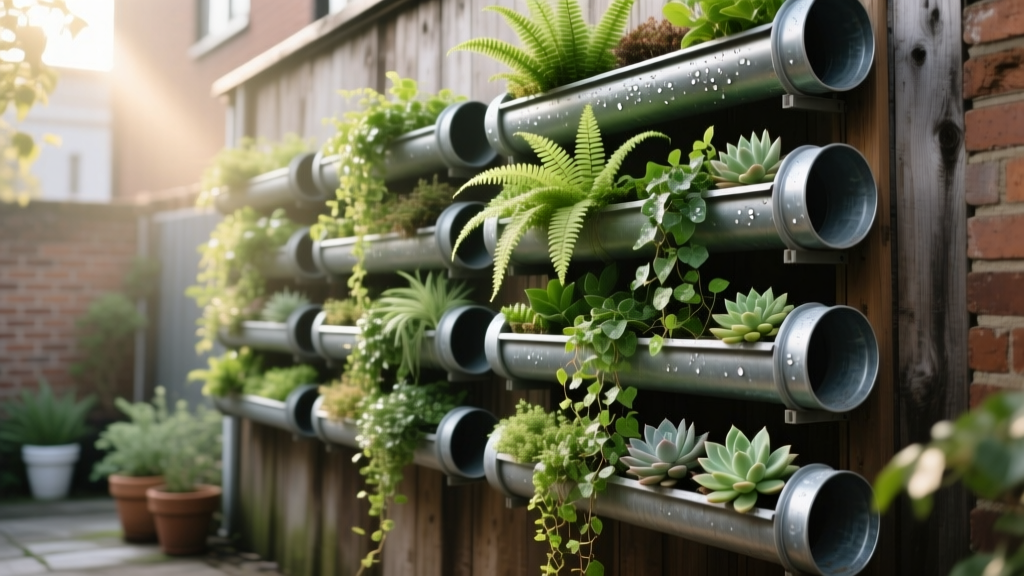
Building a Vertical Garden from Gutters
The most common mistake I see with gutter gardens isn’t plant choice—it’s mounting. Folks hang a row of gutters like a cute wall display, fill them with soil, and then wonder why the whole thing bows, leaks brown water down the siding, or dries out twice a day. A 10-foot section of gutter packed with wet potting mix can weigh a lot more than you think, and gravity is not a gentle roommate.
The good news: gutter vertical gardens can be insanely productive (especially for salad greens and herbs) if you build them like they’re going to survive a summer storm and a busy week. Below are the shortcuts and proven tricks that keep gutters straight, plants happy, and your wall clean.
Start With the Right Gutter Setup (So It Doesn’t Sag, Rot, or Stain Your Wall)
Tip: Use shorter runs to stop bowing
Long gutters look sleek, but they’re the first to sag in the middle once the soil gets saturated. Keep each row to 4–6 feet if you can, or add extra brackets at tighter spacing. Real-world example: on a 10-foot run, adding a bracket every 16 inches (instead of every 24–32 inches) usually stops that “smile” bend.
Tip: Pick vinyl or food-safe lined metal (and don’t ignore heat)
Vinyl gutters are lightweight and easy to drill, and they won’t rust—great for renters or temporary setups. Metal gutters last longer outdoors but can heat up fast on sun-baked walls; if you’re in a hot climate, line the inside with a thin strip of landscape fabric to reduce direct heat on roots and slow moisture loss. If you’re salvaging old gutters, avoid anything with flaking coatings; you don’t want mystery paint leaching into edibles.
Tip: Mount to something structural, not just siding
Screwing brackets into vinyl siding is an invitation for a future crash. Anchor into studs, a fence post, or a ledger board (like a 1x4 or 2x4 pressure-treated strip) first, then attach gutter brackets to that board. Case example: one gardener mounted a three-tier gutter wall to a freestanding pallet frame—no holes in the house, and it stayed rigid even during wind gusts.
Tip: Build in a slight slope for drainage control
Gutters are designed to drain, but you get to choose how. Tilt each row about 1/8 inch per foot toward an end-cap drain hole so extra water moves in a predictable direction instead of pooling randomly. This is especially helpful if you’re fertigating (feeding with liquid fertilizer) and don’t want the back end to stay soggy and invite fungus gnats.
Tip: Stop wall stains with a drip edge or catch strip
Even well-drained gutter gardens drip—usually after heavy watering or rain. Mount a simple catch strip under the lowest gutter: a scrap piece of corrugated plastic, an extra gutter, or a narrow trough that sends drips into a bucket. Real-world scenario: on an apartment balcony, a $6 plastic window planter under the bottom row kept the neighbor below from getting “compost tea” spots.
Drainage and Soil: The Two Things That Make or Break Gutter Gardens
Tip: Drill drainage holes like you mean it
One tiny hole every few feet isn’t enough. Drill 1/4-inch holes every 6–8 inches along the bottom, then add two holes near each end cap where water tends to collect. Example: a 48-inch gutter typically ends up with 6–8 holes, which prevents root rot and keeps soil from turning anaerobic after summer storms.
Tip: Skip gravel; use a fabric “soil sock” instead
Gravel at the bottom sounds smart, but in shallow containers it steals root space and can create a perched water table. Instead, line the gutter with landscape fabric (or a cut-up reusable shopping bag) and poke holes where you drilled drainage—this holds soil in place without sacrificing depth. DIY alternative: burlap works, but it decomposes faster, so plan to replace it yearly.
Tip: Use a lighter mix than garden soil (a simple ratio that works)
Garden soil compacts in gutters and drains poorly. A reliable DIY blend is 2 parts potting mix : 1 part coco coir plus a handful of perlite if the mix feels heavy. This combo holds moisture without turning into mud, which matters because gutters are shallow and can swing from soggy to bone-dry quickly.
Tip: Pre-wet your mix before filling (it’s faster and more even)
Dry potting mix can repel water and leave dry pockets that never catch up. Moisten the mix in a tote until it feels like a wrung-out sponge—damp but not dripping—then fill the gutter and lightly tamp. Real-world example: pre-wetting cut one gardener’s “first week wilt drama” in half because moisture was evenly distributed from day one.
“Container media must provide both water-holding capacity and air-filled pore space; balance is essential for root health.” — University of Maryland Extension (2019)
Tip: Add slow-release fertilizer lightly (gutters are easy to overfeed)
Because gutters hold limited soil, nutrients wash out faster—but piling on fertilizer can burn roots. A practical starting point: mix in a slow-release granular fertilizer at 1/2 the label rate, then adjust after you see growth. If you’re growing leafy greens, you’ll notice the difference within 10–14 days if plants are underfed (pale leaves, slow growth).
Research backs the need for careful watering and fertility in containers: the University of Florida IFAS Extension (2020) notes container plants require more frequent irrigation and consistent nutrient management compared with in-ground beds, due to limited root volume and faster drying.
Smart Layout: Spacing, Sun Angles, and Plant Choices That Don’t Fight the System
Tip: Keep rows at least 12 inches apart (16 is even better)
Rows that are too tight create a shaded, damp zone where mildew loves to party. Aim for 12 inches between gutters minimum; 16–18 inches is ideal if you’re growing anything that mounds (like strawberries). Example: three rows spaced 16 inches apart on a 6-foot frame still fits nicely on most patios.
Tip: Put thirsty plants on top, drought-tolerant plants on bottom
Gravity helps you if you plan for it: upper gutters tend to dry faster and get more sun; lower gutters catch drips and stay slightly cooler. Use the top for lettuce, spinach, and basil, and reserve the bottom for thyme, oregano, or trailing nasturtiums. Case example: a teacher running a school garden found the bottom row stayed consistently moist enough for mint (in its own contained section) while the top row grew fast-turnover salad greens.
Tip: Match plant roots to gutter depth
Most standard gutters are shallow, so pick plants with modest root systems. Great picks: lettuce, arugula, green onions, cilantro, strawberries, dwarf nasturtiums. Avoid: full-size tomatoes, squash, and anything that wants deep soil unless you’re using oversized gutters or half-round troughs.
Tip: Use tighter spacing for “cut-and-come-again” greens
For baby greens, you can plant more densely than typical container guidelines. Try spacing lettuce at 6 inches for heads, or sow salad mix in a band and harvest with scissors once leaves hit 4–6 inches tall. Real-world example: one 6-foot gutter planted with salad mix can produce multiple harvests per month in spring, especially if you cut above the growing point.
Watering Hacks That Save Time (and Keep Gutters From Drying Out by Lunch)
Tip: Install a simple drip line—one per row
If you’re watering by hand daily, you’ll eventually skip a day during a heat wave, and that’s when gutters punish you. Run 1/4-inch drip tubing with emitters spaced every 6–12 inches, and connect it to a hose timer set for short cycles. A common schedule in summer is 2–5 minutes in the morning and another short pulse mid-afternoon, adjusting for your climate.
Tip: DIY gravity-fed watering with a bucket (cheap and surprisingly reliable)
No spigot nearby? Hang a 5-gallon bucket above the top gutter, add a simple spigot kit, and run drip tubing down each row. It’s not fancy, but it’s a legit workaround for balconies and community gardens. Money saver: this setup can be under $25–$40 if you already have tubing and a spare bucket.
Tip: Mulch the gutter surface with something light
A thin top layer reduces evaporation dramatically in shallow planters. Use 1/2 inch of shredded straw, fine bark, or even dried grass clippings (only if they’re seed-free and chemical-free). Real-world example: a south-facing fence setup stayed moist nearly a full day longer after adding a light mulch—less midday wilting, fewer bitter greens.
Tip: Add a “wick strip” in each gutter for more even moisture
Gutters can dry unevenly, especially near the ends. Tuck a strip of absorbent material (a folded piece of cotton fabric or thick felt) along the length under the soil so it acts like a wick. DIY alternative: cut strips from an old cotton T-shirt; it won’t last forever, but it’s a free experiment that often improves uniform moisture.
Prevent Leaks, Pests, and Plant Problems Before They Start
Tip: Seal end caps the way roofers do
End caps are notorious for slow leaks that stain walls. Use an exterior-grade sealant (silicone or gutter sealant) and let it cure for 24 hours before filling with soil. Example: sealing both inside and outside seams on end caps stopped persistent drips on a brick wall that had been getting stained after every watering.
Tip: Use a “bug barrier band” to slow ants and climbing pests
If your frame legs touch the ground, pests can march right up. Wrap a band of sticky barrier tape or apply a sticky insect barrier around the legs (following label directions) to discourage ants that farm aphids. Real-world scenario: a patio gutter garden plagued by aphids improved once ants were blocked; ladybugs finally stuck around long enough to help.
Tip: Avoid fungus gnats by letting the top inch dry slightly
Gnat larvae thrive in constantly wet media. Instead of long watering sessions, do short pulses and make sure the top 1 inch isn’t perpetually soggy. If you already have gnats, a 1/2-inch layer of coarse sand on top can reduce egg-laying, and yellow sticky cards catch adults quickly.
Tip: Rotate crops by gutter row (easy “micro-rotation”)
Even in small spaces, rotation helps reduce disease buildup. Swap plant families between rows each season—greens one row, herbs another, strawberries in a third—rather than replanting the same crop in the same strip repeatedly. Example: moving strawberries to a fresh gutter every 12–18 months can reduce decline and keeps crowns from getting overly congested.
Build Options and Cost-Saving Swaps (So You Don’t Overspend on a “Simple” Project)
Tip: Buy gutter sections off-season or salvage them smartly
New gutters are clean and easy, but salvaged gutters can be nearly free. If you salvage, scrub with a mild soap solution and rinse well, and skip any pieces with peeling coatings. Cost example: new vinyl gutter sections often run roughly $8–$15 per 10 feet, while salvaged can be free to a few dollars—just budget time for cleaning.
Tip: Use a freestanding frame if you rent (no wall damage)
A simple A-frame or ladder-style rack keeps everything stable without drilling into siding. Build with 2x4 lumber and exterior screws, or repurpose a sturdy old ladder. Case example: a renter used a thrifted metal shelving unit, zip-tied gutters to the shelves, and created a four-tier herb wall that moved apartments twice.
Tip: Consider half-round gutters for bigger roots
If you want strawberries or chunkier herbs, half-round gutters usually hold a bit more soil volume and can be easier to clean. They cost more, but you’ll get better buffering against heat and drying. Think of it as paying for fewer rescue waterings.
| Option | Best for | Typical cost | Trade-offs |
|---|---|---|---|
| Vinyl K-style gutter | Greens, herbs, lightweight builds | $8–$15 per 10 ft | Can get brittle in intense sun over years |
| Aluminum gutter | Long-term outdoor setups | $12–$25 per 10 ft | Heats up; needs careful mounting to prevent warping |
| Half-round gutter | Strawberries, slightly deeper root zone | $18–$35 per 10 ft | More expensive; brackets may cost more |
| DIY alternative: vinyl fence post (cut in half) | Custom trough shapes | $15–$30 per 8 ft | More cutting/drilling; end caps require creativity |
Real-World Setups (Copy These and Save Yourself a Lot of Trial and Error)
Scenario: Apartment balcony with limited sun
Mount two 4-foot gutters to a freestanding shelf and grow shade-tolerant greens: spinach, arugula, and cilantro. Use a 5-gallon bucket gravity drip if you don’t have an outdoor faucet, and keep rows 16 inches apart so airflow doesn’t get trapped against the building wall. Best shortcut: plant densely and harvest baby greens weekly—your yield per hour of effort is high.
Scenario: South-facing fence that bakes in summer
Use vinyl gutters (cooler than dark metal), add 1/2 inch mulch, and plan on drip irrigation with two short daily pulses during heat waves. Put thyme, oregano, and trailing nasturtiums in the lower row where it’s cooler and a bit moister; keep lettuce to spring and fall unless you provide afternoon shade cloth. Quick win: a simple shade cloth panel can drop leaf stress dramatically, especially between 2–6 p.m..
Scenario: School garden or community plot (kids + weather = chaos)
Build a sturdy A-frame and keep each gutter run to 4 feet so repairs are easy. Plant “forgiving” crops: green onions, leaf lettuce, and strawberries, and label each gutter with waterproof tags. Insider trick: pre-mix potting media in a tote at the start of the season and keep it covered—refilling a low spot takes 2 minutes instead of a whole workday scavenger hunt.
Scenario: Small backyard, big salad goals
Install three rows of 6-foot gutters on a ledger board attached to studs, with brackets every 16 inches. Sow a salad mix every 2 weeks in one section so you’re not harvesting all at once, and dedicate another gutter to basil and parsley for summer. Cost saver: buy one quality hose timer and split the line—automation is cheaper than replacing cooked plants.
Finishing Touches That Make It Look Good (and Make Maintenance Easier)
Tip: Paint or wrap gutters for style—just keep it plant-safe
If you want a clean look, use exterior paint rated for plastic (for vinyl) or metal (for aluminum), and let it cure fully before planting. A simpler option is to wrap the outside with peel-and-stick vinyl film—easy to change later without scraping paint. Example: a matte black wrap looks sharp, but in full sun it can increase heat; lighter colors stay cooler.
Tip: Create removable “plant modules” for quick swaps
Instead of planting directly into the gutter, you can drop in fabric grow bags or DIY fabric liners as removable inserts. This makes seasonal changeouts fast: pull one module, refresh soil, replant, and slide it back. It’s also a neat way to isolate aggressive herbs like mint so they don’t hog the whole row.
Tip: Keep a tiny gutter tool kit nearby
Gutter gardens reward small, frequent tweaks. Keep a cordless drill bit (for adding drainage holes), spare end-cap sealant, a handful of zip ties, and a small trowel in a bucket near the setup. Real-world example: having sealant and spare brackets on hand turned a mid-season leak from a weekend project into a 10-minute fix.
If you build it sturdy, drill more drainage than you think you need, and use a light mix, a gutter garden stops being a cute gimmick and starts acting like a compact food machine. Once your first row of greens pays you back in quick harvests, you’ll look at every blank fence and think, “That could be salad.”
Sources: University of Maryland Extension (2019), container growing media and root health guidance; University of Florida IFAS Extension (2020), container gardening irrigation and nutrient considerations.