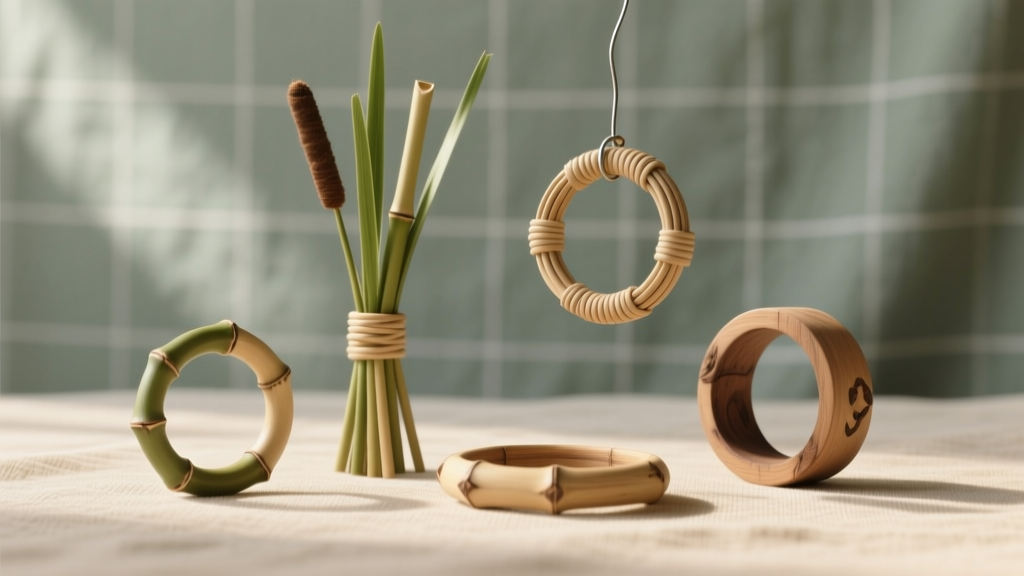
Making Your Own Plant Support Rings
The most common staking mistake isn’t “forgetting to stake”—it’s staking too late. Once a tomato or peony has already leaned 20–30 degrees, you end up wrestling brittle stems, cracking side shoots, and tying knots that look like a sailor’s audition. A simple support ring placed early (often when plants are only 8–12 inches tall) quietly prevents all that drama—and you can make rings that fit your beds, your plants, and your budget.
Support rings are basically a tidy collar plus legs: they hold stems in the middle, let air move through, and keep flowers and fruit off the soil. Below are the shortcuts, hacks, and proven techniques I use to make rings that last longer than the cheap store ones—and cost a fraction per plant.
Before You Build: Size It Right (So the Ring Actually Helps)
Tip: Measure the plant’s “shoulders,” not the pot size
Rings fail when they’re sized to the container instead of the plant’s mature spread. For most single-stem tomatoes and peppers, a 12–16 inch diameter ring is a sweet spot; for peonies and floppy perennials, 18–24 inches usually works better. Measure the plant’s widest foliage circle, then add 2–4 inches so stems can move without rubbing.
Example: A ‘Celebrity’ tomato that’s 14 inches across at 5 weeks gets a 16–18 inch ring; a peony clump that spreads 20 inches gets a 24 inch ring placed before buds open.
Tip: Put the ring on early—timing matters more than material
The easiest install is when stems are still flexible. I aim to set rings when plants hit 8–12 inches tall, or within 7–10 days after transplanting. You can still add a ring later, but you’ll either have to lift and thread stems (risking snaps) or cut and re-join the ring.
Source note: Many extension resources emphasize early support to prevent stem breakage and improve plant management; for example, University of Minnesota Extension (2020) discusses using supports to reduce lodging and keep plants upright for better care.
Tip: Use leg height as your “anti-flop insurance”
Ring legs that are too short are decorative, not functional. As a rule, make legs at least 1/2 to 2/3 the mature height of the plant you’re supporting: 18-inch legs for 3-foot peppers, 30–36 inch legs for 5–6 foot indeterminate tomatoes (paired with additional ties). If you garden in wind, go longer—wind leverage is real.
Materials That Work (and the Ones That Quietly Fail)
Tip: Choose wire gauge based on what you’re supporting
Flimsy wire is the fastest way to get a ring that collapses under a fruit load. For light-duty flowers (cosmos, gaura), 9–11 gauge wire is fine; for tomatoes, dahlias, and peonies, go with 6–8 gauge (often sold as concrete reinforcing wire or heavy-gauge garden wire). Thick wire also holds its circle shape so you aren’t re-bending it every storm.
Cost reality: A 50-foot roll of 9-gauge galvanized wire is often around $12–$20; 6-gauge may run $25–$45—still cheap per ring when each ring uses 3–6 feet.
Tip: Galvanized or vinyl-coated wins outdoors
Plain steel rusts fast at soil level, especially with drip irrigation. Galvanized wire typically lasts 3–7 seasons depending on your soil moisture; vinyl-coated can last longer and is gentler on stems. If you only have plain steel, spray the bottom 6 inches of each leg with a rust-inhibiting enamel to extend its life.
Expert angle: Corrosion at the soil line is the weak point because oxygen + moisture + soil salts accelerate breakdown—protecting that lower section is where you get the most extra seasons.
Tip: Repurpose fencing and tomato cage “corpses” for near-free rings
Old wire shelving, welded wire fencing, and broken tomato cages are prime ring stock. Cut away bent sections and salvage straight spans; you can usually build a functional 18-inch ring from a single damaged cage plus a few inches of tie wire. It’s one of the best garden “trash-to-tool” upgrades.
Example: If you have a 3-foot section of welded wire with 2x4-inch openings, you can bend it into a 12–16 inch ring and stitch the seam with short 4-inch wire twists.
Build Methods That Don’t Waste Time
Tip: The 5-minute “single-wire ring” for small plants
For peppers, bush tomatoes, and top-heavy annuals, cut a 54-inch piece of 9-gauge wire for a ~16–17 inch diameter ring (circumference ≈ 3.14 × diameter). Form a circle, overlap the ends by 4 inches, and twist together with pliers. Add three legs by bending 8–10 inch “tabs” downward at evenly spaced points—no extra wire needed.
Real-world use: This is perfect for patio peppers that tip when fruit sets; you get support without a full cage taking over the container.
Tip: The “ring + separate legs” method for heavyweight plants
When plants get loaded (tomatoes, dahlias, peonies), I prefer a stout ring and separate legs so the ring doesn’t deform. Make a ring from 6–8 gauge wire, then attach 3–4 legs (18–36 inches long) using galvanized tie wire in tight figure-eight wraps. The legs can be replaced later without rebuilding the ring.
Example: For a 24-inch peony ring, four 24-inch legs keep the ring level even when rain makes blooms heavy.
Tip: A clean seam is the difference between “pro” and “pokey”
The seam is where you snag shirts, gloves, and stems—unless you finish it. After twisting the overlap, clip the sharp tail flush and file it with a metal file (or rub it on concrete) so it’s blunt. If you want extra insurance, slip a 1-inch piece of old garden hose over the seam like a bumper.
Tip: Use a bucket or trash can as a perfect circle jig
Freehand circles come out egg-shaped, and that makes installation annoying. Wrap your wire around a rigid form: a 5-gallon bucket makes a ring around 12 inches; a common kitchen trash can often lands you in the 16–18 inch range. The result is a true circle that slides over plants without snagging.
Smart Installation: Keep It Stable Without Beating Up Roots
Tip: Push legs in at least 6–8 inches—more in sand
Rings wobble because legs aren’t anchored deeply enough. In average soil, aim for 6–8 inches in the ground; in sandy soil or windy sites, 10–12 inches is worth it. If the soil is dry and hard, water first—forcing legs into bone-dry soil can crack the root zone and bend your ring.
Case: In a coastal garden with sandy loam and regular wind, 12-inch anchoring stopped pepper rings from slowly tilting over a month.
Tip: Angle the legs slightly outward for wind resistance
Perfectly vertical legs are easier to insert, but slightly splayed legs resist tipping much better. Aim for an outward angle of about 10–15 degrees so the “footprint” is wider. This is the same principle as a wider ladder stance: more stable with the same material.
Tip: Leave a 1–2 inch gap between stems and ring for airflow
When foliage is pressed against the ring, moisture hangs around longer—especially after rain or overhead watering. Good airflow helps reduce foliar disease pressure, which is why many extension recommendations for disease management focus on spacing, pruning, and ventilation. Purdue University Extension (2019) emphasizes cultural practices (like improving airflow) as part of reducing foliar disease issues in gardens.
“Most plant diseases require leaf wetness for infection; reducing the time leaves stay wet is a key cultural control.”
— Purdue University Extension, 2019
Ties, Clips, and “Gentle Restraint” Tricks
Tip: Use soft ties for stems that swell (tomatoes, dahlias)
Wire twists and tight strings can girdle stems as they thicken. Use 1/2-inch wide soft ties (old T-shirts cut into strips work great) and tie a loose figure-eight so the stem and ring aren’t rubbing. Check ties every 10–14 days during rapid growth—this is when stems expand fastest.
Example: Dahlias go from pencil-thin to thumb-thick quickly; a “snug” tie in June can become a choke point by mid-July.
Tip: Clip fruiting branches before they bend permanently
Tomato trusses and pepper branches can set fruit and start to arc downward in a week. If you clip them to the ring when they’re just beginning to droop (say, when fruit is marble-sized), you prevent the “kink” that later snaps under weight. Plant clips are fast, but a 4-inch strip of stretchy fabric does the same job.
Tip: Color-code rings by size so you don’t play guess-and-check
When you build a dozen rings, they all look the same stacked in the shed. Hit the seam area with a dot of spray paint: red for 12-inch, blue for 18-inch, yellow for 24-inch. It saves time every spring, and you’re less likely to cram a too-small ring over a plant (which always ends with broken side shoots).
Three Real-World Builds (With Numbers That Actually Work)
Scenario 1: Supporting peonies before the first rainstorm
Peonies are famous for flopping right when buds get heavy and rain hits. Build a 24-inch ring with four 24-inch legs and set it when shoots are 10–14 inches tall—before buds color up. The stems grow through the ring and hide it, and you’ll keep blooms off the ground without tying every stem.
Money-saver: A store-bought peony ring often costs $12–$25 each; a DIY ring made from 6-gauge wire can land around $3–$6 in materials.
Scenario 2: Patio peppers that topple in containers
Containers make plants top-heavy because the root ball is confined and the pot can shift in wind. Use a 12–14 inch ring with three legs that are long enough to reach the bottom third of the pot (often 8–10 inches), then push them down along the inside edge. This stabilizes the plant without a big cage shading the pot.
Example: A 5-gallon bucket pepper with 20+ fruits can lean hard; a small ring keeps it upright and makes harvesting easier.
Scenario 3: Indeterminate tomatoes that outgrow cages every year
Rings won’t replace a full trellis for 7-foot tomatoes, but they’re brilliant as the “lower-story manager.” Install an 18-inch ring at 10–12 inches tall with 30–36 inch legs, then run a single vertical stake or string above it for the main leader. The ring corrals side stems so airflow improves and fruit doesn’t drag in soil splash.
Source note: Soil splash is a major pathway for some diseases; Cornell Cooperative Extension (2021) notes that mulching and keeping foliage/fruit off soil can reduce splash dispersal of pathogens in home gardens.
What to Build: A Quick Comparison Table
| Ring Style | Best For | Typical Materials | Build Time (per ring) | Approx. Cost (DIY) | Notes |
|---|---|---|---|---|---|
| Single-wire ring with bent tabs | Peppers, bushy annuals, small perennials | 9–11 gauge galvanized wire | 5–10 minutes | $1–$3 | Fastest build; limited height and rigidity |
| Heavy ring + separate legs | Peonies, dahlias, heavier shrubs, tomatoes (lower support) | 6–8 gauge wire + tie wire | 10–20 minutes | $3–$6 | Most durable; legs replaceable |
| Recycled cage ring (cut-down cage) | Quick fixes, large batches on a budget | Old tomato cage sections | 5–15 minutes | $0–$2 | Quality depends on cage wire thickness |
Shortcuts for Making a Lot of Rings (Without Losing a Weekend)
Tip: Batch-cut wire lengths with a simple measuring stick
If you’re making more than five rings, don’t measure every piece with a tape. Mark common lengths (like 48", 54", 72") on a scrap 1x2 or even a broom handle with a Sharpie. You’ll cut faster, your rings will match, and stacking/storage becomes way easier.
Tip: Pre-make “seam ties” so assembly is grab-and-go
Cut a pile of 4–5 inch tie-wire pieces and bend them into U-shapes ahead of time. When you form the ring, hook a U over the overlap and twist with pliers—done. It’s a small thing, but it turns ring-making into an assembly line instead of a stop-and-start project.
Tip: Make two ring sizes only (unless you love clutter)
Most gardens run happily on two diameters: 16–18 inches for veggies and medium perennials, and 24 inches for big bloomers like peonies. Fewer sizes mean fewer decisions and easier storage. If you need a one-off size, build it when you need it rather than storing oddballs for years.
DIY Alternatives When Wire Isn’t an Option
Tip: PEX tubing makes a smooth, stem-friendly ring
If you’ve got leftover 1/2-inch PEX, it bends into a near-perfect circle and won’t snag stems. Join the ends with a barbed coupling and hose clamps, then zip-tie it to bamboo legs. It’s not as rigid as heavy wire, but it’s great for flowers where you want the support to disappear visually.
Tip: Bamboo + twine “ring” for temporary support
No wire? Push 3–4 bamboo stakes around the plant and tie a circle of twine around them at the height where stems start to flop (often 12–18 inches). Use a double loop so the twine doesn’t slide down. This is a one-season solution, but it’s fast, compost-friendly, and surprisingly effective for cosmos and zinnias.
Tip: Upcycled hangers for micro-rings in tight spaces
Metal coat hangers are perfect for small, awkward spots—think a single floppy salvia or a young tomato in a narrow bed. Straighten the hanger, form a 10–12 inch ring, and use the leftover length as a leg. One hanger won’t hold a monster plant, but it can rescue a stem that keeps face-planting onto the path.
Common Ring Problems (and Fixes You Can Do in 2 Minutes)
Tip: If the ring leans, don’t yank it—shim it
Pulling and re-pushing legs can tear feeder roots. Instead, push one leg deeper and shim the opposite side with a small stone or a quick soil mound tamped firm. If you must reset it, do it after watering when soil is soft and roots are less likely to rip.
Tip: If stems rub, pad the contact point
Rubbing happens most in wind corridors and on stiff-stemmed plants like young shrubs. Wrap a small piece of old hose, foam pipe insulation, or even a folded fabric strip around the ring where contact occurs. It’s the same fix as padding a backpack strap: stop friction, stop damage.
Tip: If the ring disappears in foliage, add a “handle” for easy lifting
By midseason, rings can vanish under leaves, which makes weeding and harvesting annoying. Zip-tie a short vertical tag (a 6-inch piece of bright plastic stake or painted wire) to one leg so you can find and lift the ring slightly when needed. This is especially handy in strawberries or low beds where you’re working close to the ground.
If you only take one trick from all this: build rings a little sturdier than you think you need, and install them earlier than you feel is necessary. Plants grow fast, storms hit faster, and a well-placed ring is one of those “quiet wins” that makes the whole garden look more under control—without turning you into a full-time plant wrangler.