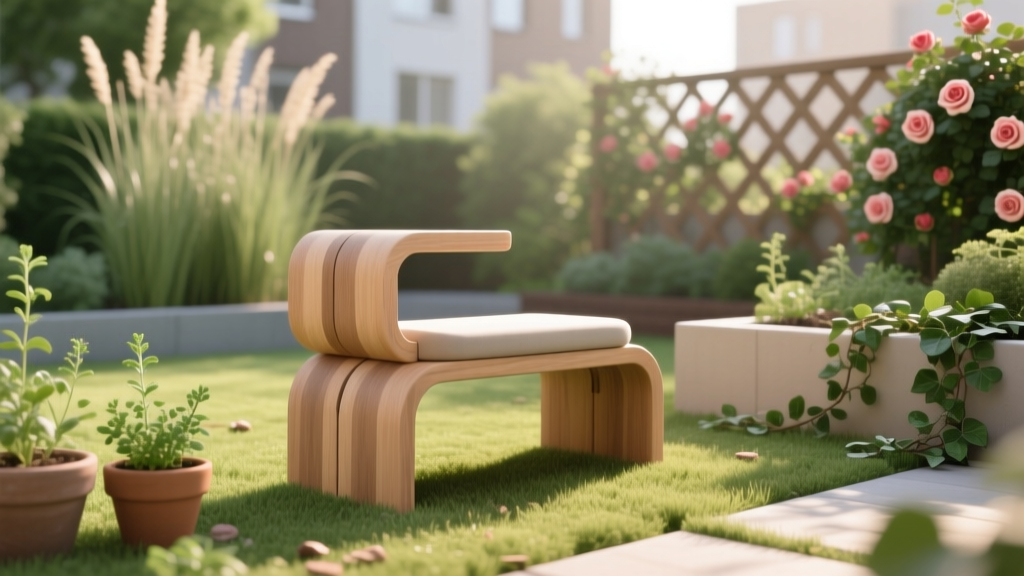
DIY Garden Kneeler and Seat Combo
Most DIY garden kneelers fail for one simple reason: people build them like a tiny bench, not like a piece of body-support equipment. A flat top with no thought for knee pressure points, handle height, or how you’ll flip it over is the fastest way to end up with sore joints and a wobbly “seat” you never use. The good news is that a kneeler/seat combo is an easy weekend build—if you make a few smart, specific choices up front.
This article is packed with the little decisions that separate a kneeler you love from one that lives in the shed. I’ll include real measurements, budget numbers, a comparison table, and field-tested upgrades you can add depending on how you garden.
Start With a Size That Fits a Human (Not Scrap Wood)
Tip: Build to these baseline dimensions (then adjust once)
A comfortable kneeler/seat combo usually lands around 22–24 inches long and 10–12 inches wide on the padded surface. For height, aim for 17–19 inches from ground to seat when flipped, and 4–6 inches of clearance under the kneeling pad to keep it from sinking into mulch. Example: if you’re 5'10" and you want an easy sit-to-stand, start at 18 inches seat height and test it by sitting and standing 10 times—if you rock forward, add 1 inch.
Tip: Don’t guess handle height—set it to your “push-up” height
The side rails/handles are what make this tool worth building, because they let you push up without torquing your knees. As a rule, your handles should extend 6–8 inches above the seat surface when used as a seat, so your hands can press down with elbows slightly bent. Real-world scenario: if arthritis makes standing from the ground tough, those extra inches can be the difference between using the kneeler daily and avoiding it.
Tip: Keep it stable by widening the stance, not thickening the top
Wobble comes more from narrow legs than from a thin platform. Spread the “feet” so the outer edges land at least 15–16 inches apart (outside-to-outside) for a stable base, especially on sloped beds. Example: on a 10° slope near a retaining wall, a narrow 12-inch stance will feel tippy when you shift weight; a 16-inch stance stays planted.
Materials That Hold Up Outdoors (Without Spending a Fortune)
Tip: Choose wood based on rot resistance and weight
If you want a wood frame, cedar is lightweight and naturally rot-resistant, while pressure-treated pine is cheaper but heavier and rougher on blades. Expect rough costs like $18–$30 for cedar boards for one kneeler (varies by region), versus $12–$20 for treated pine. Example: if you carry your kneeler across a big yard, cedar’s lighter weight is a daily quality-of-life upgrade.
Tip: Don’t use indoor plywood for the top—use exterior-grade or a solid plank
Indoor plywood delaminates fast once it gets wet, even if you paint it. Use exterior plywood (at least 1/2 inch) or a solid board platform, and seal edges carefully. Example: the edges are where water wicks in; sealing just the faces but not the edges is the classic “it lasted one season” mistake.
Tip: Pick padding like you’re buying a work boot insole
Too-soft foam bottoms out and you’ll feel every pebble; too-hard foam defeats the purpose. A sweet spot is high-density EVA foam around 3/4 inch to 1 inch thick, or a layered approach: 1/2 inch EVA + 1/4 inch neoprene for comfort. Real-world example: on gravel paths, 1 inch EVA keeps knees comfortable, while cheap 1 inch upholstery foam compresses and “prints” stones into your kneecaps.
Build It Strong: Joinery and Hardware That Won’t Loosen
Tip: Use exterior screws and glue—both matter
For a wooden frame, use 2-1/2 inch exterior deck screws plus waterproof wood glue (Type II or III) in every structural joint. Screws alone loosen over time with rocking motion, especially when you use the handles to stand. Example: a kneeler used 5 days a week in spring can start squeaking by month two if you skip glue.
Tip: Pre-drill to avoid splits on narrow rails
Rails/handles are often narrow, and splitting ruins strength fast. Pre-drill with a bit about 70% of the screw’s core diameter and countersink so screw heads sit flush. Example: if you’re using 2x2 handle rails, a split near the top will eventually flex and feel unsafe when you push up.
Tip: Add one diagonal brace if you’re building a taller seat
If your seat height is above 19 inches, the leverage increases and racking becomes more likely. A simple diagonal brace on each side (even a 1x2 strip) locks the frame square. Scenario: for tall gardeners or anyone who hates low seating, that brace is what keeps the kneeler from twisting when you stand up quickly.
Comfort Upgrades That Make It Feel “Store-Bought”
Tip: Round over the handle edges—your palms will thank you
Square edges chew up hands, especially if you garden barehanded or with thin gloves. Hit the handles with a 1/4-inch round-over bit (or sand to a soft radius) and seal it well. Example: during tomato pruning sessions, you’ll stand and kneel repeatedly; smooth handles reduce hand fatigue more than you’d expect.
Tip: Wrap padding like upholstery, not like a gift
Stapling fabric around foam works only if you control tension and water exposure. Use outdoor vinyl or marine fabric, wrap it snug, and staple underneath every 1–1.5 inches, then add a bead of exterior adhesive on the seam line. Example: a loose wrap shifts under your knees; a tight wrap keeps pressure distributed evenly.
Tip: Add a drain gap so water can’t pool under the pad
If the foam sits on a flat platform, water can get trapped and rot the wood. Leave a 1/8–1/4 inch gap at the back edge, or drill two 3/8-inch drain holes in the platform under the foam. Example: after a rainy week, a sealed pad with no drain can stay damp for days and start smelling musty.
Weatherproofing That Actually Extends Life
Tip: Seal end grain like it’s a sponge (because it is)
End grain sucks up water faster than the face grain. Brush on two coats of exterior sealer, or use a dedicated end-grain sealer, waiting about 2–4 hours between coats (check product label). Example: sealing only the visible surfaces but ignoring end grain is why legs rot first.
Tip: Pick a finish that’s easy to refresh, not just “tough”
For garden gear, I prefer exterior spar urethane or penetrating oil finishes you can recoat without stripping. Plan on a quick refresh coat every 12–18 months if it lives outside. Example: a finish that flakes forces you into sanding purgatory; a wipe-on oil lets you recoat in 10 minutes.
“Keeping wood dry is the single most important factor in preventing decay—designing to shed water and sealing vulnerable areas like end grain will dramatically extend service life.” — Adapted from guidance commonly taught in wood durability and outdoor construction best practices, including cooperative extension materials.
For credible, nuts-and-bolts info on outdoor durability, many builders lean on Extension publications that emphasize moisture management and protective coatings. For example, the USDA Forest Service’s Wood Handbook (2010) is a widely cited reference on how moisture drives decay and why end grain is vulnerable.
Make It Safer and Easier on Your Body
Tip: Add a “no-slip” foot treatment for damp grass and slopes
Wood feet on wet grass can slide when you push up. Add rubber feet or screw on strips of old bicycle tire; aim for 1/8 inch rubber thickness minimum so it grips without squish. Scenario: if you garden early mornings with dew, this mod prevents that scary sideways skid when standing.
Tip: Keep knee pressure low by widening the pad, not thickening it
Padding thickness helps only until it bottoms out; surface area reduces pressure more reliably. If you’re getting sore knees, widen the pad to 12 inches before you jump from 1 inch foam to 2 inch foam. Example: a wider pad spreads weight and feels better during 20-minute weeding sessions in compacted soil.
Tip: Use the right seat height for the task (and your hips)
Low seats are fine for delicate work but harder on hips and knees when standing. If you do lots of pruning or container work, go 18–19 inches seat height; for low bed edging where you want stability, 17 inches can feel more grounded. Real-world example: one gardener I know keeps a slightly lower kneeler by the herb spiral and a taller one near the roses.
It’s also worth remembering that repetitive kneeling is a real stressor on joints. Ergonomics research consistently supports reducing contact pressure and awkward postures; guidance from organizations like NIOSH (National Institute for Occupational Safety and Health, 2015) emphasizes minimizing sustained kneeling and improving body mechanics when doing ground-level tasks.
Smart Add-Ons: Storage, Portability, and “Grab-and-Go” Hacks
Tip: Add a side holster for your top two tools
A kneeler is most useful when it keeps you from standing up 40 times. Screw on a simple holster from a scrap of PVC pipe (2-inch diameter, 6–8 inches long) or a leather loop for pruners. Example: keep a hori-hori and hand pruners in the holster so you can weed, dig, and clip without tool-hunting.
Tip: Build in a carry point that doesn’t pinch fingers
Cutting a handhold slot in the platform sounds good until it digs into your fingers. Instead, add a rope handle: drill two 3/8-inch holes, thread 1/4-inch rope, and tie stopper knots under the seat. Scenario: if you have raised beds in multiple zones, a rope handle makes moving it easy even with gloves.
Tip: Use a removable pad so you can swap surfaces by season
Spring is muddy, summer is sweaty, fall is damp—one pad cover won’t feel great year-round. Mount the pad with industrial hook-and-loop strips so you can swap between a vinyl cover and a breathable outdoor fabric. Example: vinyl cleans up fast after muddy bulb planting; breathable fabric feels better during July harvesting sessions.
DIY Alternatives When You Don’t Want to Build the Whole Frame
Tip: Upgrade a cheap store kneeler instead of starting from scratch
If you can grab a basic folding kneeler on sale for $25–$40, you can improve it dramatically with better padding and grippier feet. Replace the pad with 1-inch EVA and zip-tie rubber strips to the feet for traction. Example: you’ll spend maybe $10–$15 on foam and fasteners and end up with something that feels like a pricier model.
Tip: Make a “no-build” kneeler from a bucket and a pad (fastest option)
For super simple jobs, a 5-gallon bucket plus a kneeling pad gets you a seat and tool storage. Add a clip-on tool pouch and you’ve got a mobile station for harvesting or deadheading. Scenario: if you’re moving down a long row of peppers, the bucket method is faster than carrying a framed kneeler.
Comparison Table: Build vs Buy vs Hybrid
| Option | Typical Cost | Comfort Potential | Durability Outdoors | Best For |
|---|---|---|---|---|
| Full DIY wood kneeler/seat | $35–$70 (materials vary) | High (custom pad + handle height) | High if sealed well | Gardeners who want the perfect fit and like building |
| Store-bought folding kneeler | $25–$60 | Medium (pad often thin/soft) | Medium (metal can rust, pad wears) | Quick solution, occasional use |
| Hybrid: buy frame, upgrade pad/feet | $35–$75 | High (big comfort jump for little money) | Medium–High (depends on frame) | Value hunters who want comfort without woodworking |
Real-World Setups (Steal These)
Scenario 1: Raised-bed gardener with tight paths
If your paths are narrow (say 18–24 inches wide), a wide-foot kneeler can feel like it’s always catching edges. Keep the stance closer to 14–15 inches wide and add rubber feet for stability rather than going wider. Example: in a 4x8 raised-bed layout with wood-chip paths, a slightly narrower frame turns more easily without scraping bed sides.
Scenario 2: Older gardener who needs extra help standing
If standing up is the hard part, prioritize handles: make them 8 inches above seat height and don’t skimp on joinery. Add a small crossbar between handles (under the seat area) to stop side flex and give you a more solid “push point.” Example: one retired neighbor added that crossbar and went from needing a hand up to standing independently while weeding.
Scenario 3: Balcony or patio container gardener
On concrete, slipping is the big risk and kneeling comfort matters less than stability. Use non-marking rubber feet and consider a slightly lower seat height (17 inches) so you feel planted while repotting. Example: when working with a 10-gallon fabric pot, a lower seat helps you lean in and tug roots without the kneeler shifting.
Scenario 4: Community garden plot with theft risk
If you have to leave tools on-site, don’t bring your nicest kneeler. Build a simple frame from cheaper lumber, then put your money into a pad you can remove and take home (hook-and-loop mounting makes this easy). Example: leave the frame in the plot box, take the pad and pruners home—your comfort stays high even if the frame disappears.
Little Fixes That Prevent Annoying Problems Later
Tip: Mark the “seat side” so you flip it correctly every time
It sounds silly until you’re tired and keep setting it down wrong. Add a small burned-in mark, paint dot, or even a screw head pattern on the seat side. Example: if one side has the holster, marking prevents you from kneeling on the tool side and jabbing yourself.
Tip: Tighten and inspect on a schedule, not when it fails
Even good builds loosen a bit with temperature swings and repeated torque on the handles. Do a 2-minute check every 4–6 weeks during peak season: snug screws/bolts and look for hairline cracks near joints. Example: catching a small split early lets you add a clamp and glue before it becomes a sudden wobble.
Tip: Keep a “kneeler parking spot” to reduce weather exposure
The biggest life-extender is simply not leaving it in the rain. Set a hook in the shed or garage and make it the default parking spot; if that’s not possible, store it under an eave and stand it on edge so water drains. Example: kneelers left flat on soil stay damp and rot faster—standing on edge helps it dry out in hours instead of days.
A DIY garden kneeler and seat combo is one of those rare garden projects where small build choices translate into daily comfort. Get the dimensions right, build the handles like you’ll trust your weight to them (because you will), and treat water like the enemy. Once you’ve used a kneeler that doesn’t wobble, doesn’t soak up rain, and actually helps you stand up, you’ll wonder why you tolerated kneeling on a folded towel for so long.
Sources: USDA Forest Service, Wood Handbook: Wood as an Engineering Material (2010). NIOSH (National Institute for Occupational Safety and Health) ergonomics and musculoskeletal disorder prevention guidance (2015).