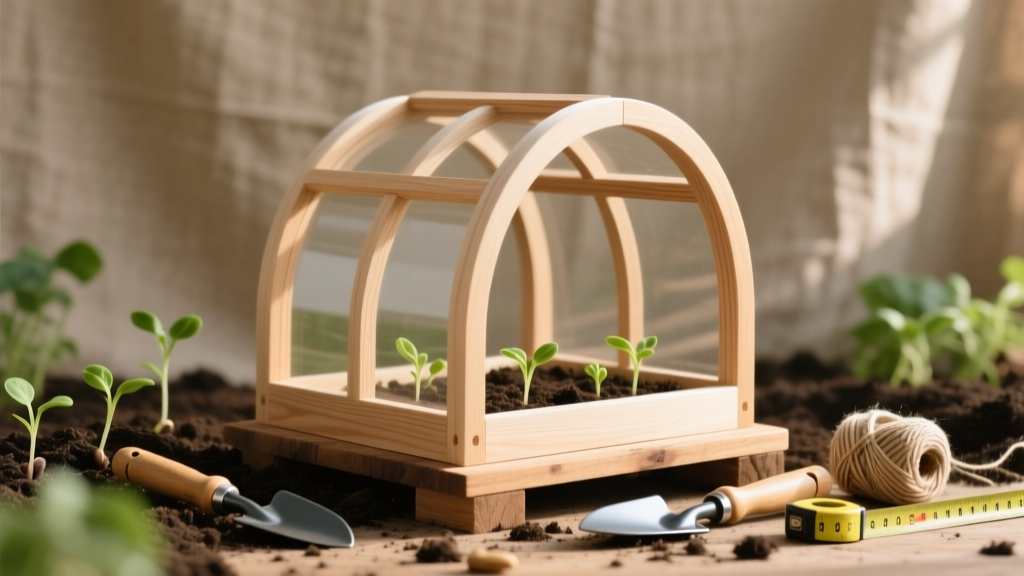
How to Build a Simple Cold Frame Hoop
The most common cold-frame mistake isn’t “forgetting to vent.” It’s building something too airtight and too tall—then cooking seedlings on the first sunny 45°F day. A low hoop cold frame (think: mini tunnel you can pop open fast) gives you the season-extension boost without the drama, and you can build one in an hour with parts you’ll reuse for years.
This is the shortcut version: simple materials, repeatable measurements, and a few tricks that keep the whole thing from turning into a sail in March winds.
Start with the right footprint (small beats big)
Tip: Build a 3–4 ft wide bed cover so you can reach the middle
A hoop cold frame works best when it’s narrow enough to manage from the sides. A width of 36–48 inches is the sweet spot: you can weed, harvest, and vent without climbing in and compacting soil. If you go wider, you’ll end up leaving it closed because it’s annoying to access, which is exactly when it overheats.
Example: On a 4 ft wide bed, you can anchor hoops on each side board and still lift the cover one-handed to vent at lunch.
Tip: Keep hoop height low—18 to 30 inches is plenty
Low tunnels warm faster at night but can overheat fast during the day, so the trick is low height plus quick venting (we’ll cover that). Most greens, carrots, radishes, and early brassicas are happy with 18–24 inches of headroom. If you’re sheltering larger transplants, stretch to 30 inches, but avoid building a mini greenhouse you can’t easily open.
Example: A 24-inch-high hoop easily covers two rows of spinach and one row of spring radishes, with space for a 1-inch frost cloth to “float” inside on colder nights.
Materials that won’t crack, snap, or waste money
Tip: Use 1/2-inch PVC or 1/2-inch EMT based on wind, not vibes
1/2-inch PVC (schedule 40) is cheap and easy to bend; 1/2-inch EMT conduit is tougher and handles wind and snow better. If you live where gusts regularly hit 25–35 mph, EMT is worth it. If you’re in a sheltered yard and want the fastest build, PVC is fine—just replace it when it gets brittle after a few seasons of sun.
Example: Coastal gardeners often regret PVC after the first nor’easter; inland gardeners in fenced backyards get years out of it.
Tip: Buy plastic by the math, not the label
For a true “cold frame hoop,” use 6 mil greenhouse poly (UV-treated) if you want one cover to last. For a cheap first build, a 3–4 mil painter’s plastic works but usually tears sooner. As a rough cut length: add 2 feet to your bed length and 4 feet to your hoop width so you have enough to grab and clamp.
Example: For an 8 ft bed with 4 ft width hoops, cut plastic to about 10 ft x 8 ft so you can anchor both ends and still have slack to vent.
Tip: Build clamps for pennies (or buy the ones that don’t pop)
Store-bought snap clamps are convenient, but they can pop off in cold weather. DIY clamps: cut 6-inch sections of 3/4-inch PVC pipe lengthwise (a single slit) to make springy clips that grip 1/2-inch hoops. Sand the edges so they don’t slice your plastic.
Example: One $6 length of 3/4-inch PVC makes a dozen clamps—enough for two tunnels and spares.
A simple build that actually stays put
Tip: Space hoops at 3 to 4 feet (closer in snow zones)
Hoop spacing is where most DIY tunnels fail. Place hoops every 36–48 inches; use 36 inches if you expect wet snow or you’re using lighter plastic. More hoops means less sag, less flapping, and fewer tears at the worst possible time (usually right before a freeze).
Example: On a 12 ft bed, that’s 4 hoops at 4 ft spacing, or 5 hoops at 3 ft spacing for sturdier support.
Tip: Stake your hoops like you mean it (rebar or wood stakes)
The fastest reliable anchor is 12–18 inch lengths of rebar driven 6–8 inches into the ground, leaving enough aboveground to slip the hoop over. No rebar? Use 2x2 wooden stakes screwed to the bed frame with a hole drilled for the hoop. The goal is stopping “side-to-side walking” in wind.
Example: In a raised bed, two 2x2 stakes per hoop (one on each side) make the structure feel bolted down.
Tip: Add a ridge line so the plastic doesn’t drum and tear
A ridge line is the underrated upgrade that makes a cheap tunnel act expensive. Run a taut line of paracord, masonry string, or wire along the top from end to end, tying it to the first and last hoop. It supports the plastic, reduces flapping noise, and prevents the “sawing” motion that makes holes.
Example: If your plastic keeps ripping at hoop peaks, a ridge line usually solves it without buying thicker film.
Covering and sealing: warm at night, vented by lunch
Tip: Bury edges with soil only if you don’t need daily access
Burying plastic edges in a shallow trench (2–3 inches) seals heat well, but it’s annoying for daily venting. A better approach for a cold frame hoop is “clamp-and-weight”: clamp the plastic to the hoops and weigh the edges with 1x4s, bricks, or sandbags so you can pop it open fast.
Example: If you’re hardening off lettuce starts, you’ll vent almost every sunny day—weights beat buried edges.
Tip: Make end flaps you can open in 10 seconds
Don’t permanently seal the ends. Fold the plastic at each end like wrapping a present, then clamp it to the end hoop and add a clip halfway up so you can peel it open. This creates instant cross-venting, which is the difference between a cozy 70°F and a crispy 110°F.
Example: If mornings are 35°F and afternoons hit 55°F with sun, cracking both ends 6 inches can keep temps stable for seedlings.
Tip: Use shade cloth or row cover inside for “double protection” nights
On borderline cold nights, add a layer of lightweight row cover (like 0.5–1.0 oz) under the plastic. This “double layer” traps extra heat without needing a heater, and you can leave the inner layer on plants while venting the outer plastic.
Example: In an early March cold snap, inner row cover can protect spinach from wind burn even if the outer cover flaps a bit.
“Even in cool weather, temperatures inside covered structures can rise rapidly on sunny days, so ventilation is essential to prevent overheating.” — University of Minnesota Extension, 2020
Temperature control hacks (the part people skip)
Tip: Put a cheap thermometer at plant height (not at the hoop top)
Air at the hoop peak can be much warmer than where your seedlings live. Use a basic min/max thermometer and set it 2–4 inches above soil level so you’re measuring the conditions that matter. If you only check “how warm it feels,” you’ll miss the midday spike that causes bolting and leaf scorch.
Example: A $12 min/max thermometer quickly shows you that a 50°F day can still spike above 90°F under plastic in full sun.
Tip: Vent by the clock in spring (before you think you need to)
In late winter and early spring, the best habit is venting early—often by 10–11 a.m. on sunny days. If nights are below freezing but days are bright, open the ends a hand-width and close them again in late afternoon to bank heat for night.
Example: One gardener routine: open both ends 8 inches at 10:30 a.m., then re-clip them at 4:30 p.m. when the sun drops behind trees.
Tip: Add thermal mass only if you can’t baby-sit vents
If you can’t reliably vent, thermal mass smooths temperature swings. Put two or three 1-gallon jugs painted black inside the tunnel; they soak up heat during the day and release it at night. It won’t replace venting, but it reduces extremes.
Example: In a school garden where nobody’s there at lunch, black jugs help prevent rapid drops after sunset.
Research consistently notes that row covers and low tunnels modify the crop microclimate—raising daytime temperatures and reducing wind stress—while requiring careful venting to avoid overheating (see University of California Agriculture & Natural Resources guidance on frost protection and covers, 2019; and University of Minnesota Extension on season extension structures, 2020).
Money-saving choices (and when to splurge)
Tip: Spend on UV-treated poly; save on the frame
Frames are reusable; covers are consumable. If you can only upgrade one thing, buy UV-treated greenhouse film (often $25–$60 depending on size) because it lasts multiple seasons, while cheap plastic may fail mid-season. Meanwhile, PVC, conduit, or even flexible PEX can be scavenged or bought cheaply.
Example: If your $10 plastic tears in month two, you’ll buy it again; a $40 UV film that lasts 3 seasons is often cheaper per year.
Tip: Repurpose what you already have (PEX, old hoops, even branches)
In a pinch, 1/2-inch PEX makes excellent hoops and tolerates cold flexing well. Some gardeners use fiberglass driveway markers or old tomato cage wire bent into arches for short spans. If you’re testing the idea, use what’s on hand—just avoid anything sharp that will puncture plastic.
Example: One quick-and-dirty setup: PEX hoops plus old bed sheets as inner frost cloth for a surprise April freeze.
Tip: Use this quick cost calculator so you don’t overspend
For a basic 8 ft x 4 ft hoop cold frame, typical costs land around $35–$120 depending on materials. PVC is usually cheaper than EMT, but the cover choice can dominate the total. If you’re building more than one, bulk-buy plastic and make DIY clamps to drop the per-tunnel cost.
| Build option (8 ft x 4 ft bed) | Approx. cost | Durability | Best for |
|---|---|---|---|
| PVC hoops + 6 mil UV poly + DIY clamps | $45–$90 | Good (2–4 seasons for film; PVC varies) | Most home gardens, moderate wind |
| EMT hoops + 6 mil UV poly + store clamps | $70–$120 | Very good (frame lasts many years) | Windy sites, heavier snow |
| PVC hoops + 3–4 mil painter’s plastic + weights | $35–$55 | Fair (often 1 season) | Testing the method, short-term protection |
Three real-world setups (steal the one that matches your garden)
Scenario: Windy backyard with a chain-link fence “wind tunnel”
In a gusty yard, the goal is stopping lift and flapping. Choose EMT hoops, add a ridge line, and use sandbags or 1x4s along the edges instead of just clips. Also, place the tunnel parallel to the prevailing wind so the ends aren’t acting like scoops.
Example: A gardener near open fields solved repeated tearing by switching to 36-inch hoop spacing and adding two sandbags per side—no more shredded plastic after cold fronts.
Scenario: Raised beds on a tight budget (you still want early greens)
Go with PVC hoops and DIY clamps, then spend your money on a better cover if possible. If you must use cheap plastic, double it at stress points: wrap a strip of old cloth around each hoop peak before pulling plastic over. That little cushion prevents punctures where the film rubs.
Example: One 4x8 raised bed used painter’s plastic successfully for spring by padding hoop tops with worn-out socks and venting daily.
Scenario: Shoulder-season nursery space for seedlings (hardening off)
For seedlings, the key is fast access and fast venting. Use clamp-and-weight edges, plus end flaps you can open wide—seedlings can overheat even when it’s cool outside. Start with shade (prop one side open 6–12 inches) for the first 2–3 days, then gradually increase sun exposure.
Example: A tray of brassica starts went from leggy indoor growth to stocky outdoor plants by spending a week in the hoop: open ends daily, close at night, and add inner row cover on frosty evenings.
Small upgrades that make your hoop cold frame feel “pro”
Tip: Add a center spine if your cover sags after rain
If puddles form on top, you’ll get stretching and tearing. Attach a lightweight spine (a strip of wood lath or another piece of conduit) along the length at hoop peaks using zip ties. This creates a sharper ridge so rain sheds instead of pooling.
Example: After one heavy rain, a gardener added a lath spine and never saw pooling again—even on flatter hoops.
Tip: Use soil pins or landscape staples to tame loose edges
Loose plastic edges flap, and flapping equals tears. Push in landscape staples every 18–24 inches along the edges (through a folded hem of plastic if possible) to stop chatter. If you’re using weights, staples still help keep the film from creeping.
Example: On a windy corner bed, staples plus a 1x4 weight board stopped the “snapping flag” sound and doubled the cover life.
Tip: Mark your vent settings so you don’t guess every day
Use a permanent marker to put simple vent marks on the end flap: 2-inch, 6-inch, and 12-inch openings. After a week, you’ll learn what works for your microclimate, and you’ll stop doing the daily “too closed/too open” dance.
Example: A gardener found that a 6-inch opening on both ends kept lettuce happy on sunny 50°F days without wilting.
Timing tricks: when to cover, when to uncover
Tip: Cover before the cold front arrives (not after)
Cold frames work best when they trap heat already in the soil. Put the cover on 2–3 hours before sunset (or earlier) so the bed warms under the plastic while there’s still sun. If you wait until it’s already freezing, you’re basically just blocking wind—not banking heat.
Example: Ahead of a predicted 28°F night, covering at 3 p.m. after a sunny day can mean the difference between unfazed kale and stressed seedlings.
Tip: Don’t rush summer removal—swap covers instead
When spring turns warm, you don’t have to dismantle everything. Swap the plastic for shade cloth or insect netting using the same clamps and hoops. That keeps pests off brassicas and reduces sun stress while reusing your frame.
Example: The same hoop set that protected March spinach can become a June cabbage moth barrier with netting and the exact same anchor points.
If you build your hoop cold frame low, anchor it like it’s going to get tested (because it will), and treat venting like part of the job, you’ll get earlier harvests with less heartbreak. And once you’ve got one dialed in, building a second is basically copy-paste—same hoops, same clamps, same routine, just more greens when everyone else is still staring at seed catalogs.
Sources: University of Minnesota Extension (2020), season extension and ventilation guidance for covered structures; University of California Agriculture & Natural Resources (2019), frost protection and the use of covers to modify crop microclimate.