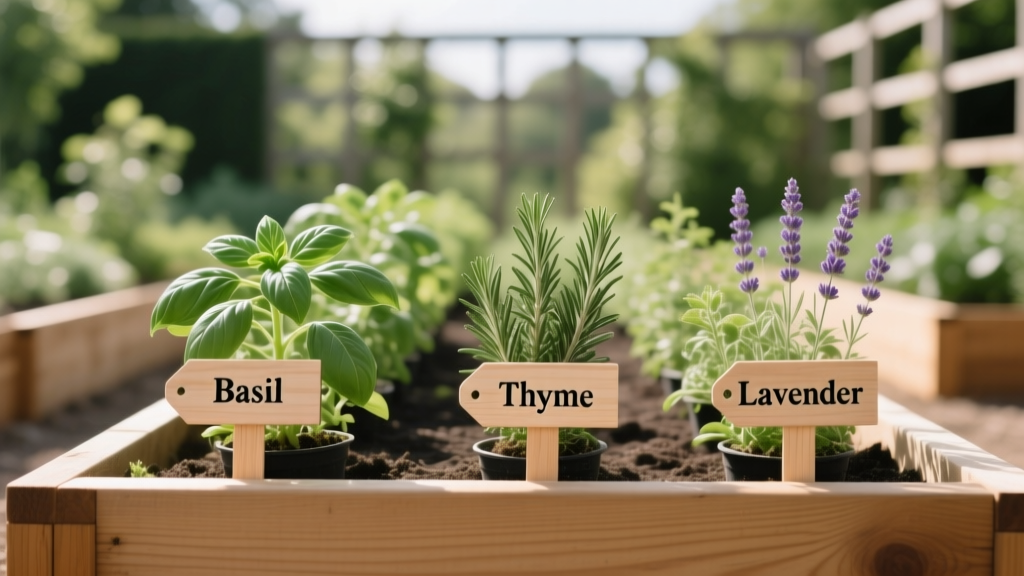
8 Garden Hacks for Garden Plant Labeling
If you’ve ever sworn you’d “definitely remember” which row was basil and which was cilantro… you already know the most expensive plant label is the one you didn’t make. The common mistake isn’t forgetting to label—it’s labeling with materials that fade, rot, or pop out of the soil right when your seedlings all look identical.
Plant labels don’t need to be fancy. They need to be readable in July, still there in October, and clear enough that you don’t transplant your “mystery pepper” into the tomato bed. Below are eight garden-tested hacks—organized by where labels fail most often (weather, readability, and chaos)—so your system actually survives a full season.
Make Labels That Survive Sun, Rain, and Sprinklers
1) The “Pencil on Plastic” trick (it’s shockingly permanent)
Skip marker for your outdoor labels and write with a regular graphite pencil on a plastic surface (like a cut-up yogurt lid or a plastic mini-blind slat). Graphite doesn’t “fade” from UV the way many inks do; it wears off mainly through abrasion, so it holds up well on labels that aren’t constantly rubbed.
How to do it: Cut plastic into strips about 1 inch x 5 inches, scuff the writing area lightly with sandpaper (optional), then write firmly with a #2 pencil. Push at least 2 inches into the soil so it doesn’t heave out after watering.
Real-world example: A community garden plot with overhead sprinklers: pencil-on-plastic labels stayed readable after 10+ weeks, while permanent marker labels were gray and fuzzy by midsummer.
2) Upgrade cheap tags with a clear UV shield (clear nail polish or packing tape)
If you already have a pile of white plastic tags, you can double their lifespan by adding a clear protective layer over the writing. A quick brush of clear nail polish works well; clear packing tape is even faster for batches.
How to do it: Write with a garden marker or paint pen, let dry for 60 seconds, then coat the text area. For tape, cover the writing area and fold tape edges around the tag to seal; press firmly so water can’t wick underneath.
Cost note: A $2–$4 roll of packing tape can seal 100+ labels, which beats replacing faded tags mid-season.
3) Use aluminum for “multi-year” beds (and emboss it so it can’t fade)
For perennials, berries, roses, and long-term beds, aluminum labels are the set-it-and-forget-it option. Ink fades; scratched-in letters don’t. You can buy aluminum tags, but the cheapest DIY is aluminum flashing or a recycled soda can (edges folded for safety).
How to do it: Cut strips about 3/4 inch x 6 inches. Place on a soft surface (cardboard), then write using a ballpoint pen with firm pressure to emboss the metal. Tie to a stake with wire or push the strip into the soil (leave 3 inches above ground for visibility).
Case example: A home gardener labeling 18 daylily cultivars: embossed aluminum tags survived 3 winters with no readability loss, while plastic stake labels snapped during freeze/thaw.
“Outdoor tags fail most often from UV exposure and weathering; choosing UV-stable materials and using etched or embossed markings greatly extends label life.” — Extension horticulture guidance summarized from university labeling recommendations
That UV point isn’t hypothetical. Many extension services repeatedly warn that sun and moisture degrade common inks and plastics; the fix is choosing UV-stable materials or physically marking the surface.
Make Labels You Can Actually Read (Even When You’re Tired)
4) The “two-line label” rule: plant name + date/variety (no guessing later)
The hack isn’t the label material—it’s what you write. Use two lines: line one is the crop or plant; line two is the variety and planting date (or source). This prevents the classic September problem: you know it’s a tomato, but you don’t know which tomato was the best producer.
Format: “Tomato” on top, then “Sungold • 4/20” underneath (or “Cutting from Pat • 6/10”). Keep it under 20 characters per line so it stays legible from a foot away.
Scenario: Succession sowing: if you plant carrots every 14 days, dating the label instantly tells you which row should be harvested first.
5) Color-code by plant family (it saves mistakes during crop rotation)
When everything’s green, a color system prevents mix-ups—especially for rotation planning. Assign one color per family (e.g., red for tomatoes/peppers/eggplant, blue for brassicas, green for cucurbits) and stick with it year after year.
How to do it: Use colored electrical tape wrapped around stakes, or colored paint markers on the top inch of the label. Keep a simple key taped inside your shed door so you don’t forget next spring.
Case example: In a 4-bed rotation system, color-coded labels stopped a gardener from accidentally replanting tomatoes into last year’s tomato bed—saving a season of higher disease risk and disappointment.
6) Make the label readable from the path: big letters + angle + placement
If you have to crouch to read your own labels, they’ll get ignored—and then you’re back to guessing. Write in block letters at least 1/4 inch tall, and tilt the label slightly toward the main viewing angle (usually the path side). Place labels consistently (front-left corner of each bed section) so you always know where to look.
Quick test: Stand on the path at arm’s length. If you can’t read it, rewrite it bigger before the season gets busy.
Scenario: School gardens and shared plots: consistent placement prevents well-meaning helpers from pulling “weeds” that were actually labeled seedlings.
Stop Losing Labels (Wind, Watering, Curious Pets, and Human Chaos)
7) The “duplicate label” system for seed trays and transplant days
The most common label failure happens during transplanting: tags fall out, get shuffled, or vanish in a pile of potting mix. The fix is simple—make two labels for everything: one stays in the seed tray or pot, and one goes to the final planting spot.
How to do it: When sowing, write two tags per variety. On transplant day, move one label with the plant and plant the second label in the bed before the first plant goes in. This adds maybe 2 minutes per flat and saves you hours of confusion later.
Real-world example: A gardener starting 72-cell trays of peppers: duplicate labels prevented the dreaded “mystery hot pepper” situation that happens when seedlings are moved around to harden off.
8) Put a “master map” where labels can’t fail (phone + waterproof backup)
Physical labels are great—until a dog runs through the bed or a storm snaps stakes. A master map is your insurance policy. Take a photo of each bed right after planting and annotate it, then keep a paper backup in a zip-top bag or a weatherproof notebook.
How to do it: Right after you label and plant, snap a photo from the same corner every time. Use a notes app to mark what’s where (“Bed 2, left row: ‘Provider’ beans, planted 5/12”). For paper, pencil on waterproof paper works well; store it in the shed.
Cost note: A small weatherproof notebook is often $6–$12, and it can replace dozens of lost labels over a season—especially in windy gardens.
Quick Comparison: Which Label Method Fits Your Garden?
If you’re deciding what to standardize on, here’s a practical side-by-side. (Most gardeners end up using two methods: one for annuals and one for permanent plantings.)
| Method | Best For | Typical Lifespan | Approx. Cost per Label | Main Failure Mode |
|---|---|---|---|---|
| Pencil on plastic strips | Veg beds, annuals, quick DIY | 1 season (often longer) | $0.00–$0.05 (recycled plastic) | Wears off if heavily rubbed |
| Marker on plastic + clear tape/polish | Seedlings, containers, short-term labeling | 1 season | $0.05–$0.15 | Water wicks under tape if not sealed |
| Embossed aluminum strip | Perennials, roses, long-term beds | 3–10+ years | $0.10–$0.50 (DIY flashing) | Bends if too thin; sharp edges if not folded |
| Store-bought engraved/printed UV tags | Collections, display gardens | 3–7 years | $0.50–$2.00+ | Cost adds up fast |
Three “Labeling Disasters” and How These Hacks Fix Them
Scenario 1: The herb mix-up. Cilantro, parsley, and carrot tops can look maddeningly similar at the seedling stage. The two-line label rule (name + date/variety) plus duplicate labels prevents the “I’ll know later” trap—because later is exactly when they still look similar.
Scenario 2: The storm that re-arranges your whole bed. If you’ve ever found your labels floating in a puddle after heavy rain, you know the pain. Pushing labels at least 2 inches into the soil, placing them consistently on the path side, and keeping a master photo map means a single windy night doesn’t erase your plan.
Scenario 3: The perennial collection that outlives the ink. If you’re building a berry patch or planting named cultivars (hostas, roses, daylilies), you’ll want labels that last multiple seasons. Embossed aluminum is the budget-friendly “forever label,” especially compared with replacing faded plastic tags every year.
Extra Insider Notes (So Your System Stays Effortless)
Timing matters: Label immediately after sowing or planting—same session, no exceptions. Most mix-ups happen when labels are “temporarily” set aside, and then a phone call or a snack break turns temporary into never.
Keep a label kit: Store your pencil, paint pen, tape, and a small pair of scissors in a single container (an old plastic food tub is perfect). If your supplies are scattered, labeling becomes a chore; if they’re together, it’s a 30-second habit.
Use extension-backed recordkeeping habits: Multiple university extension programs emphasize the value of durable labels and written records for home gardens and orchards—especially for variety tracking and pest/disease notes. For example, university extension guidance on garden recordkeeping and plant identification stresses that weather-resistant labeling and consistent documentation reduces confusion over time (e.g., Oregon State University Extension, 2021; University of Minnesota Extension, 2020).
Those same extension recommendations are why the “master map” hack works so well: it’s not just about names—it’s about capturing dates, sources, and performance notes while you’ll actually remember them.
If you want the simplest setup that covers almost every garden: use pencil-on-plastic for annuals, embossed aluminum for perennials, and a phone photo map as backup. Do that, and you’ll stop playing the annual game of “What did I plant here again?”—which is a lot more fun than it sounds when you’re staring at six identical seedlings in a row.