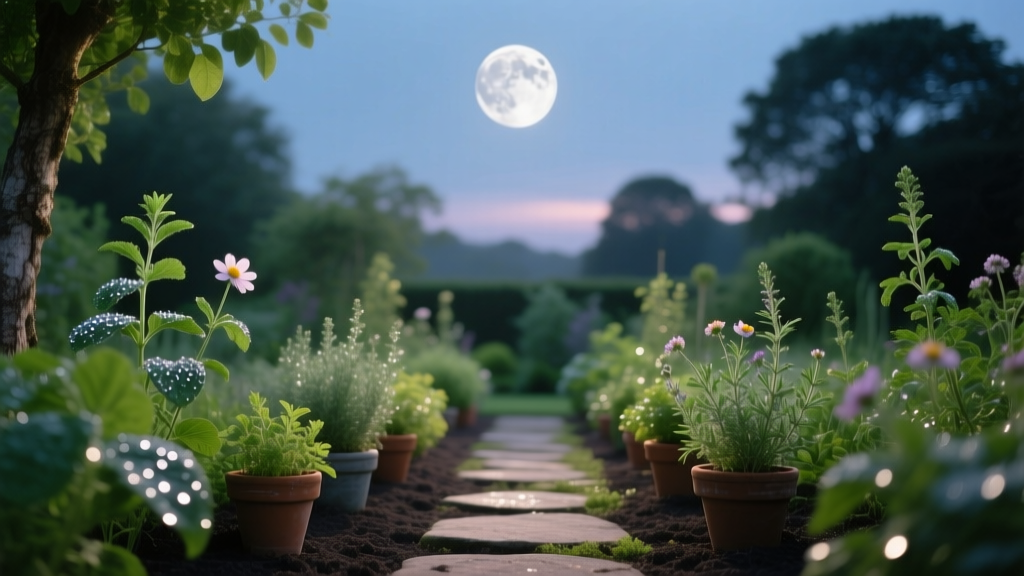
Moon Gardening Guide: Planting by Lunar Phases for Better Harvests in 2026
What Is Moon Gardening?
Moon gardening (lunar planting) is the practice of timing garden tasks to the moon's phases and position. Farmers have used this method for thousands of years. The theory: just as the moon's gravity affects ocean tides, it also affects soil moisture and plant sap flow.
The Four Lunar Phases and What to Do
Phase 1: New Moon to First Quarter (Waxing Crescent)
Gravitational pull is increasing, moonlight is increasing. Sap rises to the leaves.
- Plant: Above-ground crops that produce seeds outside the fruit
- Best for: lettuce, spinach, cabbage, broccoli, celery, cauliflower
- Also: Graft, transplant, apply liquid fertilizer
Phase 2: First Quarter to Full Moon (Waxing Gibbous)
Gravitational pull decreasing, moonlight still increasing. Energy in leaves and fruit.
- Plant: Above-ground crops that produce seeds inside the fruit
- Best for: tomatoes, peppers, beans, peas, squash, cucumbers, melons
- Also: Prune for growth, take cuttings, harvest herbs for drying
Phase 3: Full Moon to Last Quarter (Waning Gibbous)
Gravitational pull still strong, moonlight decreasing. Sap flows downward to roots.
- Plant: Root crops and perennials
- Best for: carrots, potatoes, onions, garlic, beets, turnips, radishes
- Also: Transplant (roots establish faster), divide perennials, plant trees
Phase 4: Last Quarter to New Moon (Waning Crescent)
Gravitational pull and moonlight both decreasing. Rest period for plants.
- Do NOT plant — this is a rest phase
- Instead: Cultivate soil, weed, mulch, compost, prune for shape, harvest storage crops
- Best time for: pest control, soil improvement, garden cleanup
2026 Key Moon Dates for Gardeners
| Month | New Moon (Plant leafy crops) | Full Moon (Plant root crops) |
|---|---|---|
| June | June 3 | June 18 |
| July | July 3 | July 18 |
| August | August 1 | August 16 |
| September | September 1 | September 15 |
| October | October 1 | October 14 |
| November | November 29 | November 13 |
Does the Science Support Moon Gardening?
The scientific evidence is mixed:
- Supporting: Studies show increased seed germination rates near full moon (possibly due to increased moonlight stimulating light-sensitive germination genes). Soil moisture content does fluctuate with lunar gravitational pull.
- Against: The gravitational effect on soil moisture is extremely small compared to rainfall and irrigation. Controlled studies show inconsistent results.
- Pragmatic view: Moon gardening provides a structured planting schedule. Any regular schedule improves results over random planting. The discipline of planning matters more than the moon itself.
Combining Moon Phases With Practical Gardening
The best approach: use moon phases as a scheduling framework, but always prioritize weather, soil temperature, and your local frost dates. If the moon says plant tomatoes but it's below 50°F at night, wait.
Final Thoughts
Whether you believe in lunar influence or not, moon gardening creates a rhythm and intentionality that improves garden outcomes. The planning alone — knowing what to plant and when — is valuable. Try it for one growing season and compare results with your usual approach.