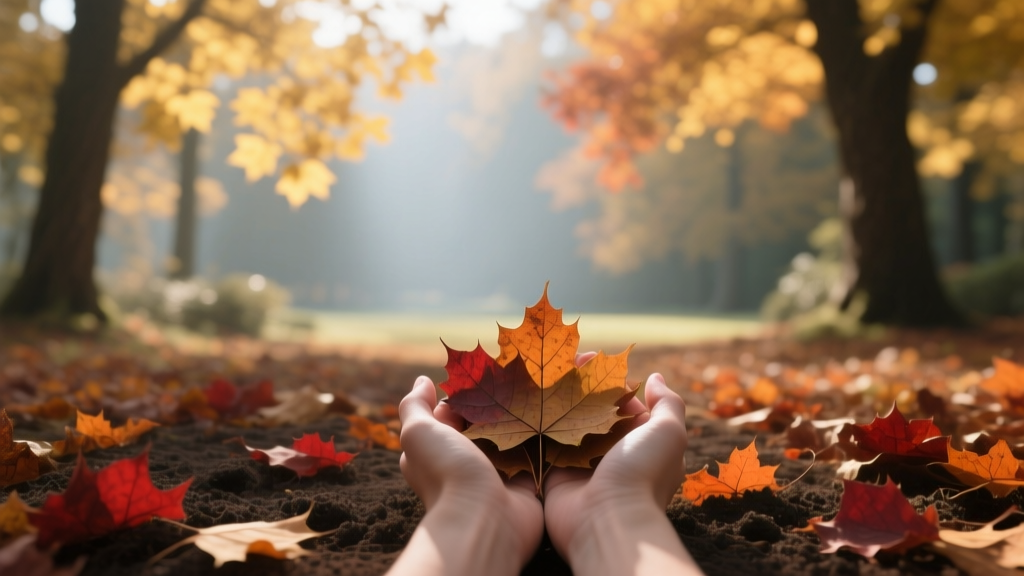
The Hidden Benefit of Leaving Leaves in Fall
The most expensive “free mulch” in the average neighborhood is the one stuffed into paper bags and hauled to the curb. Every fall, gardeners spend money and effort removing a material that can quietly improve soil, suppress weeds, protect beneficial insects, and reduce spring chores—if you handle it the right way.
The common mistake isn’t leaving leaves. It’s leaving them wrong: a thick, soggy mat on grass, or big whole leaves packed around plant crowns. The hidden benefit shows up when leaves are used like a tool—shredded, placed strategically, and timed to match your garden’s needs.
Know What Leaves Actually Do (So You Use Them Like a Pro)
Tip: Treat leaves as slow-release “carbon mulch,” not instant compost
Fallen leaves are mostly carbon, which means they break down slower than green materials. Used on top of soil, they act like a blanket: buffering temperature swings and reducing moisture loss. Expect noticeable breakdown in 3–6 months if shredded; whole leaves can take 12 months or more depending on species and climate.
Example: A shredded maple-and-birch leaf layer applied in November often turns into crumbly leaf mold by late April in mild-winter areas—perfect timing for spring planting.
Tip: Remember the lawn rule—mulch lightly, not heavily
Leaves can smother turf if they form a mat thicker than about 1 inch. If you want the lawn benefits (free organic matter, less raking), chop them small and keep the layer thin so grass still gets light and air. If the lawn looks “blanketed,” it’s time to mow-mulch again or move excess to beds.
Example: After a windy week, one quick pass with a mulching mower can turn ankle-deep oak leaves into confetti that disappears into the canopy instead of killing it.
Tip: Don’t fear leaf acidity—focus on physical effects
You’ll hear that oak or pine leaves “acidify” soil. In practice, leaves used as a surface mulch have a much bigger impact on moisture and soil life than on pH, especially over one season. If you’re worried, keep leaves on the surface and test soil pH every 2–3 years rather than trying to micromanage with guesswork.
“Organic mulches moderate soil temperature and conserve moisture while improving soil structure as they decompose.” — Washington State University Extension, 2019
Shortcut Methods That Make Leaves Work (Without the Mess)
Tip: Shred first—your best “hack” is smaller pieces
Shredded leaves don’t blow away, don’t mat as easily, and decompose dramatically faster. Aim for pieces roughly the size of a dime to a quarter. The simplest method is mowing over dry leaves with a mulching mower; for beds, a string trimmer in a trash can also works.
Example: A homeowner with two mature maples can shred a whole driveway’s worth of leaves in 15–20 minutes with a mower, then rake the shredded pile into beds like store-bought mulch.
Tip: Use the “1–2–3 rule” for leaf mulch depth
Think in layers: 1 inch on lawns (shredded), 2 inches on vegetable beds (shredded), and up to 3 inches around shrubs and trees (shredded, kept off trunks). These depths suppress winter weeds and protect soil without creating a soggy barrier. If you only remember one number: don’t exceed 3 inches in one go.
Tip: Pin leaves in place with a cheap “lid” layer
If your yard is windy, top leaves with something that locks them down: a dusting of finished compost, a few handfuls of soil, or a light layer of pine needles. You’re not trying to bury them; you’re adding friction and weight. This also helps leaves start decomposing evenly instead of skittering into your neighbor’s fence line.
DIY alternative: Sprinkle 1/4 inch of compost over leaf mulch in beds—often cheaper than buying extra mulch and easier than netting.
Tip: Make leaf mold with a “lazy pile” and one annual flip
Leaf mold is what leaves become when fungi do the work: dark, crumbly, water-holding material that’s fantastic for soil structure. Pile shredded leaves in a corner, wet them until they feel like a wrung-out sponge, and let them sit. Flip the pile once after about 6 months; many gardeners have usable leaf mold in 9–12 months.
Example: A single 3 ft x 3 ft bin packed in November can yield enough leaf mold to top-dress several perennials the next fall.
Where Leaves Pay Off the Most (Beds, Trees, and Pollinator Spaces)
Tip: Use leaves as a winter “duvet” for perennials—after the ground cools
Timing matters. Apply leaf mulch after a few frosts, when nighttime temps regularly hit around 25–32°F, so you don’t create a cozy habitat for late-season pests. Keep leaves pulled back 2–3 inches from plant crowns to avoid rot.
Example: Hostas and daylilies handle a 2-inch shredded leaf cover beautifully, but that same mulch piled on the crown can invite mushy spring surprises.
Tip: Create a “tree ring” that beats the weed whacker
Mulch rings reduce mowing stress and protect trunks from string trimmer damage. Spread shredded leaves in a circle at least 3 feet across (wider is better) and keep a bare gap of 3–6 inches around the trunk. This helps young trees establish with less competition and fewer accidental bark injuries.
Real-world scenario: A street tree struggling in compacted soil often perks up after two seasons of leaf mulching because moisture stays consistent and soil life rebounds.
Tip: Save your best leaves for pollinator habitat
Many beneficial insects overwinter in leaf litter, including some native bees and butterfly chrysalises. Instead of “cleaning” every corner, designate a quiet zone—under shrubs, in a back border, or behind a shed—where leaves stay put until spring warms up. Wait to disturb that area until daytime temps are consistently above about 50°F for a week.
Citation: Xerces Society guidance (2020) emphasizes delaying spring cleanup to protect overwintering pollinators and beneficial insects.
Leaves in the Vegetable Garden: Weed Control, Better Soil, Fewer Inputs
Tip: Use leaves as a fall bed cover—then plant right through in spring
After pulling summer crops, spread 2 inches of shredded leaves over the bed and let winter do the work. In spring, rake back what hasn’t broken down where you’re seeding, or plant transplants straight through. This reduces winter erosion and keeps soil from crusting over.
Example: A raised bed covered with shredded leaves in November often needs less weeding in April because chickweed and other winter annuals struggle to germinate under the mulch.
Tip: Speed decomposition with a “green sprinkle” ratio
If you want leaves to break down faster in beds, add a nitrogen source in a light, measured way. A simple target is about 4 parts shredded leaves to 1 part fresh grass clippings by volume, or a thin dusting of a high-nitrogen organic fertilizer according to label rates. You’re not making a hot compost pile—you’re preventing the leaves from sitting unchanged until summer.
Real-world scenario: A gardener who mixes one lawn bag of grass clippings into four bags of shredded leaves usually sees a big difference in spring texture: less “leaf confetti,” more crumbly organic matter.
Tip: Skip leaf mulch on tiny-seeded crops—use it between rows instead
Carrots, lettuce, and poppies hate pushing through chunky mulch. For those, keep the seed strip bare and use shredded leaves between rows once seedlings are 2–3 inches tall. You get weed suppression without compromising germination.
Example: In a carrot bed, leave a 4-inch wide seed band unmulched, then mulch the rest; you’ll spend less time threading weeds from carrot tops later.
Lawns and Leaves: The “Mulch-Mow” Move That Saves Hours
Tip: Mulch-mow in passes—don’t try to grind a season’s worth at once
If you let leaves pile up and attempt one heroic mow, you’ll clog the deck and leave clumps. Instead, mow every 7–10 days during peak drop, ideally when leaves are dry. If clumps remain, mow a second time at a slightly different angle to chop them finer.
Citation: Michigan State University Extension (2019) recommends mulching leaves into turf in manageable amounts to avoid smothering grass.
Tip: Use the “shoe test” to know when you’ve overdone it
After mowing, walk across the lawn. If shredded leaves stick to your shoes in thick patches or you can’t see grass blades through the mulch, it’s too much. Rake or blow excess into beds; that’s where thicker leaf mulch belongs.
Stop Throwing Money Away: Leaves vs. Bagged Mulch (Real Costs)
Tip: Replace purchased mulch with shredded leaves for big-volume areas
A 2-inch mulch layer over 100 sq ft takes about 0.62 cubic yards of material. If bagged mulch costs around $4–$6 per 2 cu ft bag, you’ll need roughly 9 bags to cover 100 sq ft at 2 inches—often $36–$54 plus tax. Shredded leaves are already on-site; your “cost” is time and maybe mower fuel.
| Mulch method | Typical cost to cover 100 sq ft @ 2 inches | Time/effort | Best use |
|---|---|---|---|
| Shredded fall leaves (on-site) | $0–$5 (fuel/electricity) | 20–40 minutes shredding + raking | Beds, tree rings, paths, winter cover |
| Bagged wood mulch | $36–$54 (9 bags @ $4–$6) | Transport + spreading, 30–60 minutes | Front-yard aesthetics, uniform look |
| Bulk mulch delivery | $25–$60 per cubic yard + delivery (varies) | Wheelbarrow work, 45–90 minutes | Large areas, deep mulching projects |
Tip: Use leaves where looks don’t matter, buy mulch where it does
Front beds that are on display may benefit from a tidy top layer of bark mulch for a uniform look. The hack is to use leaves as the “base mulch” (soil builder) and add a thin aesthetic layer of bark on top. You can often cut purchased mulch by 50% and still get the same finished appearance.
Example: Put 2 inches of shredded leaves down first, then add just 1 inch of bark mulch—your curb appeal stays crisp, and the leaf layer does the long-term soil work.
Three Common Scenarios (And Exactly What to Do)
Scenario: You’ve got tons of oak leaves that won’t break down
Oak leaves are tougher and more waxy, so they’re famous for lingering. Shred them, then use them as a top mulch around shrubs and under trees at 2–3 inches deep. If you want faster breakdown in beds, mix oak leaves with softer leaves (maple) or add a “green sprinkle” as described earlier.
Extra trick: Run oak leaves through the mower twice; the second pass makes a noticeable difference in matting and decomposition.
Scenario: You only have a small patio garden and no place for piles
You can still cash in on leaves with micro-scale leaf mold. Stuff shredded leaves into a breathable bag (even an old laundry bag works), wet them, and tuck it behind a planter or along a fence. In 6–12 months, you’ll have a fluffy amendment for containers that helps potting mix hold moisture longer.
Cost saver: Leaf mold can replace 10–20% of a container mix volume, cutting down how much bagged potting mix you buy each season.
Scenario: Your neighborhood requires leaf pickup—no “messy yards” allowed
Keep the front tidy and move the leaf magic to the backyard. Shred leaves immediately and apply them to back beds, behind hedges, and under shrubs where they’re less visible. If you must bag leaves, bag them for yourself: store in a corner and use them gradually as mulch through winter thaws.
Example: A gardener in a strict HOA uses one “display bed” with bark mulch in front, but builds soil in back with shredded leaves and compost—best of both worlds.
Problems People Blame on Leaves (And How to Avoid Them)
Tip: Prevent matting by mixing textures
Big, flat leaves (maple, sycamore) can form a rainproof layer if applied whole. Shred them, or mix in something airy like pine needles or chopped stems to keep airflow. If you see a slick, papery sheet forming, rake it up, fluff it, and reapply thinner.
Tip: Keep leaves away from foundations and siding
Leaf piles against the house can trap moisture and invite pests. Maintain a dry buffer zone of about 12 inches next to foundations and don’t mulch right up to wood siding. Use leaves out in beds and tree rings where they’re a benefit, not a maintenance headache.
Tip: Watch for disease carryover in specific cases
If you had serious disease issues like apple scab or rose black spot, don’t use those infected leaves as mulch in the same area. Hot compost them (if you compost) or dispose of them according to local guidance. For general healthy leaf fall, using them as mulch is typically low risk.
The “Leave Some, Move Some” Fall Routine (A Simple System)
Tip: Do a 30-minute leaf triage instead of a weekend marathon
Pick one day after peak drop and do a quick sort: lawn gets a light mulch-mow, beds get 2–3 inches shredded, and one out-of-the-way corner becomes your leaf mold stash. This keeps leaves from becoming a giant slippery mat and spreads the work. Most yards can be “leaf managed” in 30–60 minutes if you shred instead of bag.
Tip: Save a “spring stash” for muddy weeks
Keep a couple bags of shredded leaves dry in a shed or garage. In early spring, they’re perfect for smothering weeds in paths, mulching around new transplants, or covering bare soil after you disturb it. It’s like having mulch on standby when the garden centers are crowded and prices are high.
Leaving leaves in fall isn’t about being lazy—it’s about using a resource you already own. Once you start thinking of leaves as free insulation, free weed control, and tomorrow’s soil conditioner, the curbside leaf bags start to feel a little like tossing cash in the trash.
Sources: Washington State University Extension (2019) on benefits of organic mulches; Michigan State University Extension (2019) on mulching leaves into lawns; Xerces Society (2020) recommendations on protecting overwintering pollinators by delaying cleanup.