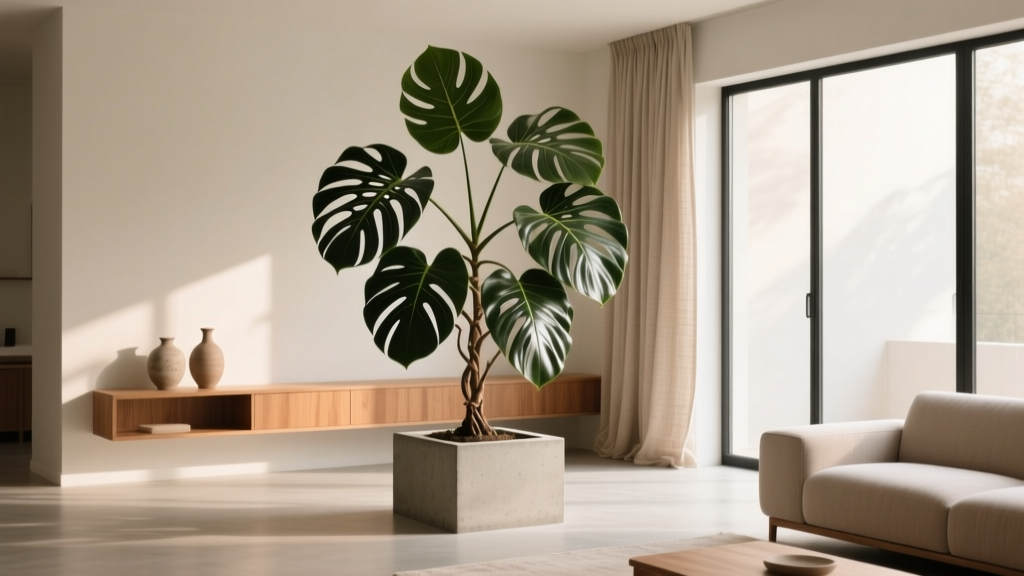
Living Room Statement Plant Ideas
The sofa is in, the rug is down, the art is hung—and the room still feels a little flat. You know the feeling: everything is “fine,” but nothing has presence. That’s usually when I reach for a living, architectural element: a statement plant. Not a tiny pot tucked on a shelf, but a plant that anchors a corner, frames a window, or interrupts a long wall the way a great floor lamp would—only greener.
Designing with statement plants is part layout, part light-mapping, and part restraint. One bold plant can make a living room feel styled; three random medium plants can make it feel cluttered. Below is the way I plan it with clients—homeowners and renters alike—so you get drama without chaos and growth without regret.
Start With the Room’s “Plant Real Estate” (Not the Plant)
Before you buy anything, identify the two things plants always negotiate with: light and floor space. A statement plant isn’t only about height; it’s about the footprint it claims and the shadow it throws.
Measure the footprint and the “leaf spread” zone
Use a tape measure and mark an invisible circle on the floor where the plant will live. For most statement plants, plan for a 18–30 inch (46–76 cm) diameter “leaf spread” zone, even if the pot is smaller. For example, a bird of paradise might sit in a 12–14 inch pot, but its leaves can easily span 36 inches across in a bright room.
Keep a 24-inch walkway clearance where people pass often (between sofa and coffee table paths, door swings, etc.). If you can’t keep that clearance, choose a slimmer, upright plant (like a fiddle-leaf fig trained as a single trunk) rather than a wide-armed palm.
Map window light in hours, not vibes
Stand where the plant will go and note direct sun on the floor over a typical day. Most living rooms fall into one of these categories:
- Low light: 0–2 hours of direct sun (bright shade most of the day)
- Medium light: 2–4 hours direct sun, or bright all day with filtered light
- High light: 5+ hours direct sun (often near south/west windows)
If you’re unsure, a light meter helps. Many designers use smartphone lux meters as a quick check, but even simple observation is enough to avoid the biggest mistake: putting a high-light plant 8 feet from a dim window and hoping for the best.
Layout Strategies That Make a Plant Feel Intentional
Use the “anchor + support” rule
One statement plant works best when it’s not lonely. Give it one supporting element so it looks curated: a floor lamp, a small side table, a basket, or a framed print leaning nearby. The key is scale: aim for the support item to be ½ to ⅔ the height of the plant. A 6-foot plant pairs nicely with a 3–4 foot lamp.
Place statement plants where architecture needs help
These are the spots where a plant does the most design work:
- Empty corner behind or beside a sofa: adds height and depth
- Next to a media console: softens hard lines and screens
- By a large window or slider: frames the view and visually “connects” indoors to outdoors
- At the end of a long wall: prevents the hallway effect
Use container scale to “finish” the room
A statement plant often fails because the pot is too small. As a rule, choose a decorative cachepot that’s 2–4 inches wider than the grow pot and heavy enough that the plant won’t tip. For tall plants (5–8 feet), a 12–16 inch diameter planter is common, sometimes larger depending on the root ball.
Budget note: a quality planter can cost $40–$180. If you’d rather spend on the plant, DIY a basket + saucer combo (more on that later).
Statement Plant Shortlist: Varieties That Actually Perform Indoors
These recommendations focus on plants that reliably read as “statement” because of height, leaf size, silhouette, or sculptural form. I’m also pairing them with the conditions they tolerate, because success is always a match between plant biology and your room.
Fiddle-Leaf Fig (Ficus lyrata) — crisp, architectural height
Why it works: Upright trunk, bold leaves, and a strong graphic silhouette that reads from across the room.
- Best light: medium to high (ideally 3–6 hours bright light; avoid harsh all-day direct sun without acclimation)
- Spacing: keep 12–18 inches from the wall for airflow and to prevent leaf rub
- Typical size to buy: 5–7 feet for immediate impact
- Cost estimate: $80–$250 depending on height and branching
Bird of Paradise (Strelitzia nicolai) — “indoor banana” drama
Why it works: Big, vertical leaves create instant resort energy; great for high ceilings.
- Best light: high light, near a bright window (aim for 4–8 hours bright light; some direct is fine)
- Footprint planning: leaf span can reach 36–60 inches over time
- Cost estimate: $120–$350 for 4–7 foot plants
Rubber Plant (Ficus elastica ‘Burgundy’ or ‘Tineke’) — bold color, easier temperament
Why it works: Thick, glossy leaves and strong vertical growth, often more forgiving than fiddle-leaf figs.
- Best light: medium to bright indirect; variegated ‘Tineke’ needs brighter light to hold color
- Spacing: 10–14 inches from walls to avoid scuffing leaves
- Cost estimate: $35–$150
Monstera deliciosa — sculptural leaves for mid-century rooms
Why it works: Fenestrated leaves are instantly recognizable and photograph beautifully; fills a corner with layered greenery.
- Best light: medium to bright indirect (too little light = smaller leaves)
- Support: add a moss pole or plank; plan a 24-inch wide zone as it matures
- Cost estimate: $40–$200
Snake Plant (Dracaena trifasciata, formerly Sansevieria) — tall lines for tight footprints
Why it works: Strong vertical form with minimal width; thrives on neglect, making it perfect for renters or frequent travelers.
- Best light: low to bright (more light = faster growth)
- Footprint: can stay within 10–16 inches wide for years
- Cost estimate: $25–$120
Olive Tree (Olea europaea) — living sculpture for sunny rooms
Why it works: Silvery foliage and branching structure read like an indoor “tree,” especially in neutral, modern spaces.
- Best light: very bright; target 6+ hours of direct sun near a south/west window
- Reality check: lower light often leads to leaf drop
- Cost estimate: $90–$300
Quick Comparison: Pick the Right Statement Plant for Your Light and Lifestyle
| Plant | Light Target (Direct Sun) | Typical Mature Indoor Height | Footprint to Plan | Watering Rhythm (Typical) | Best For |
|---|---|---|---|---|---|
| Fiddle-Leaf Fig | 1–3 hrs (bright indirect rest of day) | 6–10 ft | 18–28 in | Every 7–14 days | Architectural corners, modern rooms |
| Bird of Paradise | 2–6 hrs | 6–12 ft | 30–60 in | Every 7–10 days | High ceilings, big windows |
| Rubber Plant | 0–2 hrs | 5–10 ft | 16–26 in | Every 10–14 days | Low-fuss bold foliage |
| Monstera | 0–1 hr | 4–8 ft (with support) | 24–36 in | Every 7–14 days | Textural, layered “jungle” look |
| Snake Plant | 0–1 hr | 2–5 ft | 10–16 in | Every 14–28 days | Tight spaces, beginners, travelers |
| Olive Tree | 6+ hrs | 5–8 ft | 18–30 in | Every 7–14 days | Sunny rooms, Mediterranean style |
Three Real-World Living Room Scenarios (With Layouts You Can Copy)
Scenario 1: Small apartment living room (11 ft x 13 ft) with one north window
The problem: You want impact, but the room can’t spare floor space and the light is gentle.
The layout move: Go vertical and narrow. Place a tall snake plant or rubber plant in the corner farthest from the window, then mirror it with a slim floor lamp on the other side of the sofa to balance the composition.
- Placement: set the plant 8–12 inches from the corner so leaves don’t scrape paint
- Pot size: 10–12 inch pot inside a 12–14 inch cachepot
- Budget range: $60–$160 total (plant + pot), or $35–$90 with a DIY basket planter
Scenario 2: Open-plan living room (15 ft x 20 ft) with bright west windows
The problem: The room feels cavernous; furniture floats; the window wall needs framing.
The layout move: Use two statement plants to “bookend” the view, but keep them in the same visual family. A bird of paradise near the brightest window corner plus a fiddle-leaf fig or rubber plant on the opposite side creates symmetry without matching too perfectly.
- Spacing: keep large plants 24–36 inches from HVAC vents (hot/cold blasts shred leaves)
- Footprint plan: allocate a 3 ft x 3 ft zone for each plant so leaves don’t fight curtains
- Cost range: $250–$700 for two large plants and two planters
Scenario 3: Low-light living room with pets and a busy schedule
The problem: You want something bold, but you can’t fuss with weekly drama, and pets may nibble.
The layout move: Choose a tough, upright plant on a plant stand to keep it slightly elevated and reduce pet access. Snake plant is the classic here; if you want something more tree-like, consider a large Dracaena (sold as “corn plant”) for a similar vertical presence.
- Stand height: 10–14 inches (visually lifts the plant without making it top-heavy)
- Watering: every 2–4 weeks depending on season and pot size
- Note: many common houseplants can be toxic if chewed; consult ASPCA’s toxic/non-toxic plant lists before buying if you have pets (ASPCA maintains this reference; see citations below).
Step-by-Step: Set Up a Statement Plant So It Looks Styled on Day One
- Choose the location first: mark the spot with painter’s tape in a circle 24 inches wide (or larger for bird of paradise).
- Confirm light: watch the spot for a day and note direct sun hours; adjust placement by 12–24 inches if you’re on the edge of what the plant needs.
- Pick the right pot system: keep the plant in its nursery pot (with drainage) and slip it into a cachepot. Add a plastic saucer inside if needed.
- Raise it if the silhouette needs height: a plant stand or low stool can add 6–12 inches without buying a bigger plant.
- Rotate and face the “best side”: most plants lean toward light. Turn the fullest side toward the room, not the window.
- Style the base: add a basket, a small uplight, or a simple floor sculpture. Keep it to one supporting element so it doesn’t look busy.
- Create a maintenance station: store a watering can and microfiber cloth nearby (inside a cabinet or basket) so care actually happens.
Maintenance Expectations: What It Really Takes Per Week
Most statement plants don’t need constant attention—but they do need consistent, small habits. Plan for 10–20 minutes per week on average, plus a slightly longer session once a month.
- Weekly (10–20 minutes): check soil moisture, remove yellowing leaves, rotate the pot a quarter turn for balanced growth.
- Monthly (20–30 minutes): wipe dust from leaves (especially fiddle-leaf fig and rubber plant), inspect for pests along stems and undersides.
- Seasonally:
- Spring: refresh top 1–2 inches of soil, start feeding if the plant is actively growing
- Summer: watch for faster drying; many plants need more frequent watering
- Fall: reduce feeding; adjust watering as growth slows
- Winter: keep plants away from cold glass and heating vents; expect slower growth and longer dry-down times
“Indoor plants have been shown to reduce psychological stress—one study found an ‘uncomfortable’ state was reduced after interacting with indoor plants.” — Lee et al., 2015
That doesn’t mean your plant should become another chore. The goal is a low-friction routine you can keep, so the plant stays lush enough to earn its “statement” role.
Budget-Smart Choices and DIY Alternatives (Without Sacrificing Style)
Spend where it counts: height and health
If you have $150 total, put $100 into the plant and $50 into the pot—not the other way around. A stressed bargain plant often costs more in time and replacements than a healthy one from a reliable nursery.
DIY a high-end look for under $30
- Basket cachepot: Place the nursery pot on a rigid plastic saucer, then slip both into a woven basket (add a folded towel at the base if the basket is too deep). Typical cost: $15–$30.
- Plant riser hack: Use a sturdy wood stool or upturned crate to lift a medium plant 8–12 inches. This often creates the same visual impact as buying a taller plant.
- Uplight trick: A small warm LED uplight placed behind the pot can make leaves cast shadows on the wall—instant evening drama for $20–$40.
Common Design Mistakes (And the Fixes I Use)
Mistake: A plant shoved tight into a corner, leaves pressed into drywall.
Fix: Pull it forward 8–18 inches and rotate the best side toward the room. Let the plant “breathe.”
Mistake: Three medium plants scattered around like afterthoughts.
Fix: Consolidate into one statement plant plus one small supporting plant on a side table. Fewer pieces, stronger composition.
Mistake: The plant is the right size, but the pot is visually light and cheap.
Fix: Add a heavier cachepot or basket, or place the pot on a low tray to create a “base” that looks intentional.
Citations and Notes for Plant-Backed Decisions
Indoor plant benefits and the stress-reduction quote above are supported by peer-reviewed research: Lee, M.S. et al. reported reduced “uncomfortable” psychological states after interacting with indoor plants (2015, Journal of Physiological Anthropology).
For pet safety research and practical toxicity checks, the ASPCA maintains a widely used database of toxic and non-toxic plants (ASPCA Animal Poison Control, accessed as a standing reference; ongoing updates—use the most current listing when selecting plants). For indoor air and plant-related discussions often referenced in design contexts, NASA’s Clean Air Study is frequently cited (Wolverton et al., 1989), though real-home performance depends heavily on ventilation and plant volume.
Make the Plant Earn Its Spotlight
A living room statement plant should do at least two jobs: solve a layout problem (an empty corner, a flat wall, a too-wide window) and support your lifestyle (your light, your schedule, your pets). Once you treat that floor space like premium real estate—measured, mapped, and styled with intention—the right plant doesn’t feel like decor you bought. It feels like the room finally exhaled.
If you’re standing in your living room tonight thinking, “Something’s missing,” pick one corner, measure a 24-inch circle, count your light hours, and choose one plant that can grow into the role. Give it a proper base, a little clearance, and a simple weekly rhythm—and let it become the piece people comment on before they even sit down.