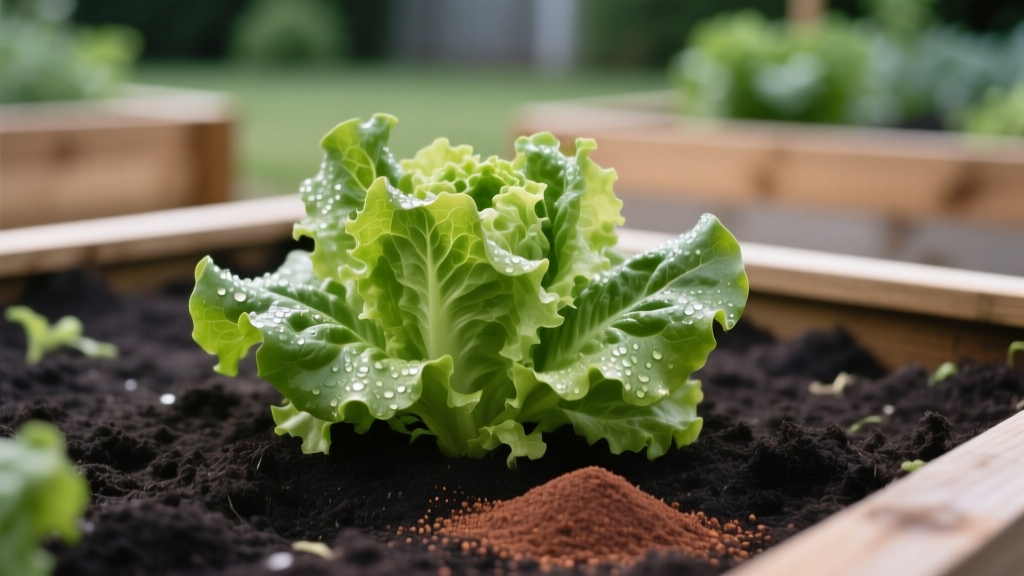
Blood Meal for Nitrogen-Hungry Lettuce
The first time you notice it, it’s almost insulting: you’ve been watering, you’ve been weeding, the weather’s been decent—and your lettuce still looks like it’s stuck in slow motion. Pale leaves. Skinny heads. That “tired” yellow-green that says, I’m hungry. In cool spring beds especially, lettuce can burn through nitrogen fast, and a sudden growth spurt often hinges on one thing: getting the right nitrogen source in the right amount at the right time.
Blood meal is one of the fastest organic nitrogen fertilizers you can buy. Used well, it can turn a struggling row of romaine into lush, dark-green leaves in a week or two. Used poorly, it can scorch roots, attract animals, or push soft growth that bolts early. This is the practical, been-there version of how to use blood meal for lettuce—without guessing.
What blood meal actually does for lettuce (and when it matters)
Blood meal is dried animal blood (usually from slaughterhouse byproducts) and it’s typically around 12-0-0 (about 12% nitrogen). That means it’s strong. Lettuce is a leaf crop, and leaf crops respond quickly to nitrogen because nitrogen drives chlorophyll and leafy growth.
But here’s the real trick: lettuce is shallow-rooted and fast-growing. If nitrogen is short during the first half of its life, you don’t “make it up later.” You get smaller plants, bitter leaves, and earlier bolting. Blood meal shines when you need a quick correction.
“Nitrogen is the nutrient most often limiting plant growth in many garden soils, and leafy vegetables show deficiency quickly as pale green or yellow leaves.” — North Carolina Cooperative Extension Publication (2023)
Best times to use blood meal on lettuce:
- When seedlings have 3–4 true leaves and start accelerating growth
- After heavy rain or frequent irrigation that can leach nitrogen from lighter soils
- When you see clear nitrogen deficiency symptoms (details below)
- For succession plantings where beds are being cropped repeatedly
Real-world scenarios: when blood meal helps (and when it backfires)
Scenario 1: Early spring lettuce in cold soil
Cold soil (below about 55°F) slows down soil microbes, which slows release from many organic fertilizers. Blood meal is still organic, but it tends to release faster than compost or many meals. If your lettuce is sitting in chilly ground, a small, well-watered dose of blood meal can help bridge that slow-release gap.
Scenario 2: Container lettuce that’s pale despite regular watering
Containers leach nutrients quickly. If you’ve been watering daily in warm weather, you can rinse nitrogen right out of the pot. A light top-dress (measured—don’t freehand it) plus consistent moisture often greens plants up within 7–10 days.
Scenario 3: Raised bed lettuce after a big compost application
This surprises people: lots of compost doesn’t always equal lots of plant-available nitrogen. Compost is great for structure and slow fertility, but it may not deliver enough nitrogen quickly for a hungry, short-cycle crop like lettuce. Blood meal can be the “finisher” that turns good soil into great lettuce.
Scenario 4: When it backfires—hot weather and bolting risk
If daytime temps are consistently above 75°F and nights stay warm, lettuce is already leaning toward bolting. Heavy nitrogen can push fast, tender growth that stresses easily and tastes bitter when heat hits. In that case, go lighter—or skip blood meal and focus on shade + steady water.
Light: the part people forget when chasing nitrogen
Before you feed, check light. Nitrogen can’t fix low light. Lettuce grows best with 6–8 hours of sun in cool weather, or morning sun with afternoon shade when it warms up. In too much shade, you’ll get weak, pale growth that looks like nitrogen deficiency.
Practical light adjustments that actually help:
- In late spring, use a 30–40% shade cloth over midday sun
- Space plants so leaves aren’t overlapping constantly (air + light = better color)
- In containers, rotate pots every few days so plants don’t lean and stretch
Soil: where blood meal works best (and where you should be cautious)
Lettuce likes soil that holds moisture but drains well. Blood meal performs best in soils with decent biological activity and consistent moisture.
Target soil conditions for lettuce
- Soil pH: Aim for 6.0–7.0. If pH is far off, nutrients can be present but unavailable.
- Texture: Loamy soil or raised bed mix with plenty of organic matter.
- Bed prep depth: Work amendments into the top 4–6 inches where lettuce roots live.
If you can, run a basic soil test once a year. Overapplying nitrogen is one of the easiest ways to create pest problems and watery flavor.
For general fertility guidance and the value of soil testing, see University of Minnesota Extension soil testing guidance (2022).
Watering: the make-or-break partner to blood meal
Blood meal is potent, and it needs moisture to move into the root zone. Lettuce also needs steady water for tender, sweet leaves. If watering is uneven, feeding tends to backfire (tip burn, bitterness, or a sudden stall).
How much to water lettuce
As a practical baseline, lettuce typically needs about 1–1.5 inches of water per week from rain + irrigation, more during warm, windy weather. In containers, that may translate to watering once daily in warm spells.
Watering tips that keep nitrogen working for you
- Water in the morning so leaves dry faster (less disease).
- Keep soil evenly moist, not soggy—especially after applying blood meal.
- Use mulch (thin layer of straw or shredded leaves) to reduce swings in moisture and temperature.
Feeding lettuce with blood meal: exact rates, timing, and methods
If you remember one thing, make it this: blood meal is strong; lettuce is shallow-rooted. Measure it.
General application rates (ground beds)
Because blood meal products vary (some are 12% N, some 13%+), use label rates if provided. For typical 12-0-0 blood meal, these are practical, conservative garden rates:
- Before planting (bed prep): mix in 2–3 tablespoons per square foot into the top 4–6 inches.
- Side-dress for established lettuce: 1 tablespoon per plant (or 1 tablespoon per square foot for closely planted beds), applied 2–3 inches away from stems.
- Timing: side-dress about 2–3 weeks after transplanting, or when plants have 3–4 true leaves.
These rates are designed to boost growth without pushing lettuce into weak, overly lush tissue.
Container rates (more cautious)
- Small pots (8–10 inch diameter): 1 teaspoon scratched into the surface, then water well.
- Larger containers (12–16 inch): 2 teaspoons, applied around the outer drip line.
- Reapply only if needed, and wait 10–14 days to judge response.
Step-by-step: the clean, low-risk way to apply blood meal
- Water first if the soil is dry. Damp soil reduces burn risk.
- Measure the blood meal (tablespoon/teaspoon—no handfuls).
- Apply 2–3 inches away from the plant stem in a ring or light band.
- Scratch it in lightly (about 1/2 inch deep). Don’t leave it sitting on top.
- Water again to settle it in and start nutrient movement.
How fast you’ll see results
In decent conditions, you often see deeper green color in 5–10 days, and noticeable size increase by 10–14 days. In cold soil, it can take longer.
Blood meal vs other nitrogen options (with real numbers)
Sometimes blood meal is the right tool. Sometimes it isn’t. Here’s a practical comparison for lettuce growers.
| Nitrogen source | Typical N-P-K | Speed for visible lettuce response | Burn risk | Best use case |
|---|---|---|---|---|
| Blood meal | ~12-0-0 | ~5–14 days | Medium–High (if overapplied) | Fast green-up, correcting pale growth mid-season |
| Compost (finished) | Varies, often low N | Slow (weeks to months) | Low | Soil building, moisture holding, gentle baseline fertility |
| Fish emulsion (liquid) | Often ~5-1-1 | Fast (3–7 days) | Low–Medium | Quick rescue feed, containers, foliar/soil drench |
| Alfalfa meal | ~2-1-2 | Moderate (1–3 weeks) | Low | Gentler feeding, soil biology support, steady growth |
If you need the fastest correction and you prefer a dry amendment, blood meal is hard to beat. If your lettuce is already stressed by heat or erratic watering, fish emulsion (lighter, more controllable) can be safer.
Common problems: symptoms, causes, and fixes
This is where home gardeners win: you don’t need perfect theory, you need quick diagnosis and the right move today.
Troubleshooting: pale green or yellow older leaves
Likely cause: Nitrogen deficiency (especially if older leaves yellow first and growth is slow).
Fix:
- Side-dress with blood meal at 1 tablespoon per plant, water in well.
- Check watering: aim for steady moisture (~1–1.5 inches/week).
- If soil is cold (<55°F), consider a light row cover to warm the bed.
Troubleshooting: scorched leaf edges or sudden wilt after feeding
Likely cause: Too much blood meal too close to roots, or applied to dry soil (fertilizer burn).
Fix:
- Flush the area with water: a slow soak for 20–30 minutes to dilute salts and move nitrogen deeper.
- Gently scrape off any visible granules near the crown.
- Skip feeding for 2–3 weeks and focus on consistent moisture.
Troubleshooting: fast growth but bitter taste
Likely cause: Heat + uneven watering, sometimes combined with heavy nitrogen.
Fix:
- Harvest earlier (baby leaf stage) during hot spells.
- Add afternoon shade (30–40% shade cloth works well).
- Back off nitrogen; keep soil evenly moist.
Troubleshooting: tip burn (brown, crispy leaf tips) even though plants look “well fed”
Likely cause: Rapid growth + inconsistent watering; calcium movement issues (not always a lack of calcium in soil).
Fix:
- Water more evenly; avoid drying out between irrigations.
- Don’t overpush nitrogen—use the conservative rates above.
- Improve airflow and avoid crowding.
Troubleshooting: lots of pests after using blood meal
Likely cause: Overly lush nitrogen growth attracts aphids; scent may attract animals.
Fix:
- For aphids: strong water spray every morning for 3–4 days, then introduce insecticidal soap if needed.
- Apply blood meal and immediately scratch it in and water. Leaving it on the surface increases odor.
- If pets or wildlife dig: cover the bed with light mesh for a week after application.
Common lettuce issues that look like nitrogen problems (but aren’t)
Not every pale leaf is a nitrogen issue. If you keep feeding and nothing changes, check these.
Overwatering and poor drainage
Roots need oxygen. In soggy soil, lettuce turns pale and stalls. Fix drainage before you feed again. Raised beds should drain within a few hours after a heavy watering.
Soil pH out of range
If pH is far outside 6.0–7.0, nutrient uptake suffers. If you suspect this, a basic soil test is more useful than another round of fertilizer. University of Minnesota Extension (2022) emphasizes testing to guide fertilizer and lime decisions rather than guessing.
Low light
Too much shade causes weak, light-green leaves. Move containers or prune nearby plants to increase light, especially in spring.
Safety and handling: don’t skip this part
Blood meal is safe when used correctly, but treat it with respect.
- Wear gloves and avoid breathing dust.
- Store sealed and dry; rodents and pets can be attracted to it.
- Keep it off leaves as much as possible; apply to soil and water in.
- Don’t overapply. More isn’t better with nitrogen—especially for lettuce.
Feeding plan for steady lettuce harvests (succession sowing)
If you sow lettuce every 2–3 weeks, your soil is constantly being asked to perform. Here’s a simple rhythm that works in many home gardens:
- At bed prep: mix in compost plus 2 tablespoons blood meal per square foot (conservative baseline).
- At 2–3 weeks after planting: side-dress 1 tablespoon per square foot if plants look light green or growth is slow.
- After harvest of a section: top up with compost; if the next sowing is within a week, use 1–2 tablespoons per square foot and water well.
If you’re already using a balanced organic fertilizer, reduce blood meal rates by about 50%. Stacking nitrogen sources is where people get into trouble.
Two quick notes on research-backed best practices
First: nitrogen is essential, but it’s also the nutrient most likely to leach. That’s why timing matters more than big doses. The goal is to match lettuce demand—especially during the main leafy growth phase.
Second: soil testing beats guesswork. Extension guidance consistently recommends using test results to guide fertilizer rates and avoid overapplication. See North Carolina Cooperative Extension (2023) for nitrogen deficiency symptoms and University of Minnesota Extension (2022) for soil testing and nutrient management fundamentals.
When I reach for blood meal (and when I don’t)
I reach for blood meal when lettuce is clearly underfed, the soil is reasonably moist, and temperatures are still lettuce-friendly (roughly 45–70°F most days). I keep the dose modest, scratch it in, and water like I mean it.
I don’t reach for it when lettuce is already racing toward bolting in heat, when soil is waterlogged, or when the plants are pale because they’re stuck in shade. In those cases, fixing light and water gives you a better payoff than throwing nitrogen at the problem.
If you use blood meal as a precise tool—measured, timed, and watered in—you’ll get what every lettuce grower wants: thick leaves, rich color, and a harvest window that stays open long enough to actually enjoy it.