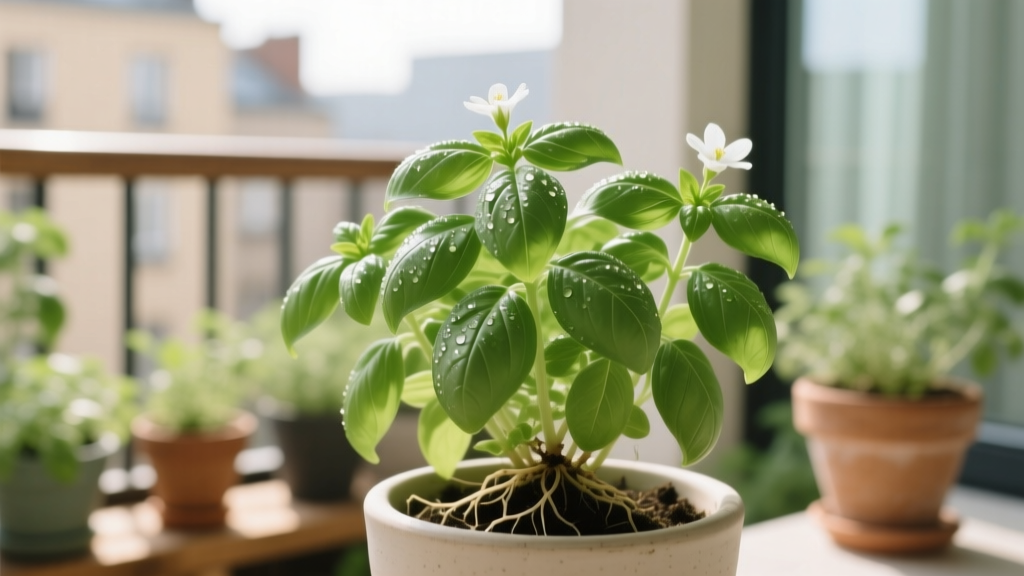
Diagnosing Common Basil Problems
You bring in a beautiful, bushy basil plant from the garden center, set it on the kitchen windowsill, and within 10 days it looks like it’s given up on life: droopy at noon, yellowing at the base, black spots on the leaves, and a smell that’s more “compost bin” than “pesto.” Basil (Ocimum basilicum) is generous when it’s happy—and dramatic when it isn’t. The good news is most basil problems come down to a handful of fixable causes: water timing, root oxygen, temperature swings, and a short list of pests and diseases.
This is the way I troubleshoot basil in real gardens: start with the growing conditions (water/soil/light/feeding), then match symptoms to likely culprits. If you change five things at once, you’ll never know what worked. If you change one thing today and observe for 48–72 hours, basil tells you the truth fast.
Start With a Quick Triage (5-Minute Check)
Before you reach for fertilizer or spray, do these quick checks. They catch the most common issues in home gardens.
- Check soil moisture 2 inches down: stick your finger in the pot/bed. If it’s wet and cool, stop watering. If it’s dry, water deeply.
- Check the pot drainage: basil hates “wet feet.” Pots must have at least one open drainage hole.
- Check temperature: basil sulks below 50°F (10°C) and can be damaged by chills; it grows best around 70–85°F (21–29°C).
- Flip leaves over: look for aphids, whiteflies, or fine webbing (spider mites).
- Inspect newest growth: pale, twisted, stunted tips often mean pests, cold, or nutrient lockout.
If you only do one thing after reading this article: stop guessing and start matching symptoms to causes.
Watering: The Fastest Way to Fix (or Wreck) Basil
Most basil problems that look like disease are actually watering problems. Basil wants evenly moist soil, but it also needs oxygen around its roots. That’s the balancing act.
How Much Water Basil Actually Needs
For container basil, I aim for a full soak until water runs out the bottom, then I don’t water again until the top 1 inch is dry and the soil is only slightly damp at 2 inches. In midsummer that might be every 1–2 days in a small pot, or every 3–5 days in a larger container.
In garden beds, basil typically needs about 1 inch of water per week from rain + irrigation, adjusted for heat and soil type. Sandy soil dries faster; clay holds longer.
Comparison: Top-Watering vs Bottom-Watering (With Real-World Outcomes)
If your basil keeps getting leaf spot or fungus gnats, watering method matters. Here’s a practical comparison from repeated home-garden results.
| Method | How it’s done | Typical frequency (summer indoors) | Pros | Common problems |
|---|---|---|---|---|
| Top-watering | Water soil surface until it drains out | Every 2–4 days (6–8" pot) | Flushes salts; easy to gauge drainage | Wet leaves can increase leaf spot risk; uneven wetting if soil is hydrophobic |
| Bottom-watering | Set pot in 1–2" of water for 15–25 minutes, then drain | Every 3–5 days (6–8" pot) | Keeps foliage dry; encourages deeper roots | Salt buildup if you never top-water; can over-saturate if left too long |
My rule: bottom-water for day-to-day stability, but top-water once every 2–3 weeks to flush fertilizer salts (especially if you feed often).
Troubleshooting Watering Symptoms
- Symptom: Leaves droop at midday, perk up at night.
Likely cause: heat stress or temporary water deficit.
Fix: water early morning; add 1–2" of mulch outdoors; move containers out of harsh afternoon sun. - Symptom: Leaves droop and stay droopy; stems feel soft; soil is wet.
Likely cause: root suffocation/early root rot from overwatering or poor drainage.
Fix: stop watering; move to bright shade; repot into fresh, airy mix; trim rotten roots and replant. - Symptom: Lower leaves yellow first, then drop.
Likely cause: overwatering, low light, or nitrogen deficiency (you’ll separate these below).
Fix: check light hours and soil moisture before feeding.
“Basil is very sensitive to chilling injury and saturated soils; most home failures trace back to cool temperatures or poor drainage rather than ‘not enough fertilizer.’” — University of Florida IFAS Extension publication (2020)
Soil & Drainage: Roots Need Air as Much as Water
Basil grows best in soil that holds moisture but drains freely. The target is “damp sponge,” not mud.
Container Mix That Works (and One That Doesn’t)
Works: A high-quality potting mix with extra aeration. If you mix your own, a reliable blend is:
- 2 parts potting mix
- 1 part perlite or pumice
- (Optional) 10–20% finished compost for buffering nutrients
Doesn’t work: garden soil in pots. It compacts, stays wet, and starves basil roots of oxygen—prime conditions for root rot and fungus gnats.
Ideal pH and Why It Matters
Basil prefers a slightly acidic to neutral pH, roughly 6.0–7.5. If your basil looks nutrient-starved even after feeding, pH can be the hidden culprit—especially in reused potting soil or beds with heavy lime.
For a grounded baseline, the U.S. National Gardening Association and many extension programs recommend soil testing before making big pH adjustments. Penn State Extension notes that herbs generally perform best in well-drained soils and that over-amending can create more problems than it solves (Penn State Extension article, 2022).
Light: The “Leggy Basil” Problem Is Usually a Lighting Problem
Basil wants sun—real sun. Outdoors, aim for 6–8 hours of direct light. Indoors, most windows aren’t bright enough unless they’re truly south-facing and unobstructed.
Signs Your Basil Needs More Light
- Long gaps between leaves (stretching)
- Thin, weak stems that flop
- Small, pale new leaves
- Slow growth even with adequate warmth
Practical Fixes Indoors (That Actually Work)
- Add a grow light placed 6–12 inches above the plant.
- Run it 12–16 hours per day (basil is a sun-lover).
- Rotate the pot every 2–3 days for even growth.
If you only have a dim window, you can still grow basil—but it will be slower, leggier, and more prone to disease because weak plants invite trouble.
Feeding: Enough to Grow, Not So Much You Lose Flavor
Basil is a leafy annual, so it appreciates nitrogen—but too much fertilizer makes it soft, watery, and more attractive to pests. It can also dilute flavor, which is heartbreaking when you’re growing basil for the kitchen.
Feeding Schedule That Keeps Basil Steady
- In containers: feed every 2–3 weeks with a balanced liquid fertilizer at 1/2 strength (for example, a 10-10-10 or 5-5-5).
- In garden beds: mix in compost at planting, then side-dress lightly once after 4–6 weeks if growth slows.
Watch the plant. If it’s deep green and growing, don’t “help” it. If it’s pale with slow growth and you’ve ruled out low light and soggy roots, then feed.
Symptom-Based Feeding Troubleshooting
- Pale leaves + slow growth + soil not soggy: likely nitrogen deficiency. Feed lightly and reassess in 7 days.
- Leaf edges browning in pots: could be fertilizer salt buildup. Flush with plain water until it drains freely for 30–60 seconds.
Common Basil Problems (Symptoms → Causes → Fixes)
This is the heart of diagnosing basil: match what you see to a short list of likely causes, then act.
1) Downy Mildew (Gray/Purple Fuzz, Yellow Patches)
Symptoms: yellowing between leaf veins on top of the leaf, with gray or purplish fuzz underneath; leaves collapse quickly. Often starts on lower leaves and spreads fast in humid weather.
Conditions that trigger it: cool nights, high humidity, crowded plants, wet foliage. Downy mildew is a major basil killer in many regions.
Fix:
- Remove and trash infected plants (don’t compost if you’re unsure—spores persist).
- Increase spacing to 10–12 inches between plants.
- Water the soil, not the leaves; water early morning.
- Grow resistant varieties next round (ask locally; availability changes).
Cornell University has tracked basil downy mildew impacts and management strategies for growers, emphasizing sanitation, airflow, and resistant cultivars (Cornell Cooperative Extension update, 2021).
2) Fusarium Wilt (Sudden Wilting, Brown Streaks in Stem)
Symptoms: one side of the plant wilts; leaves yellow, then brown; cutting the stem may show brown streaking. It often appears even when soil moisture seems fine.
Fix:
- Remove the plant and discard.
- Do not replant basil in the same soil/bed for at least 2–3 years (crop rotation helps).
- Disinfect pots with a 10% bleach solution (1 part bleach to 9 parts water), then rinse well and dry.
3) Bacterial Leaf Spot (Black Spots with Yellow Halos)
Symptoms: small dark spots that expand; yellow halos; leaves look peppered and ragged. Often worse after overhead watering or heavy rain.
Fix:
- Remove the worst leaves to slow spread.
- Switch to bottom-watering or soil-level watering.
- Improve airflow: thin crowded stems, avoid letting basil press against other plants.
- Avoid handling plants when wet (you spread bacteria on your hands).
4) Root Rot (Droop + Wet Soil + Bad Smell)
Symptoms: constant wilting, yellowing, slow growth; soil stays wet; roots are brown and mushy; sometimes a sour smell.
Fix (containers):
- Unpot the plant and rinse soil off roots gently.
- Trim mushy roots with clean scissors.
- Repot into fresh, airy mix with extra perlite.
- Water once, then wait until the top 1 inch dries before watering again.
Fix (garden beds): reduce watering, improve drainage with compost, and avoid planting basil in low spots where water pools after rain.
5) Aphids (Sticky Leaves, Clusters on Tips)
Symptoms: curled new growth, sticky residue (honeydew), ants farming the pests, clusters of green/black insects on stems and leaf undersides.
Fix:
- Blast off with a strong water spray in the morning; repeat every 2–3 days for a week.
- If needed, use insecticidal soap, coating leaf undersides. Harvest leaves after the label’s recommended interval.
- Don’t over-fertilize; lush, soft growth attracts aphids.
6) Spider Mites (Fine Webbing, Speckled Leaves)
Symptoms: tiny pale speckles on leaves, bronzing, fine webbing especially in dry indoor air.
Fix:
- Rinse the plant thoroughly, especially leaf undersides.
- Increase humidity modestly (group plants, use a pebble tray) and avoid heat vents.
- Repeat rinsing every 3–4 days for 2 weeks (their life cycle is quick).
7) Flowering Too Early (Bitter Leaves, Slow New Growth)
Symptoms: flower spikes form; leaves get smaller; flavor turns sharp or bitter.
Fix:
- Pinch flower spikes as soon as you see them.
- Harvest weekly: take the top 2–4 inches of stems to encourage branching.
- Reduce stress: consistent water and adequate nutrients keep basil vegetative longer.
Three Real-World Scenarios (And Exactly What To Do)
Scenario 1: “My grocery store basil collapses two days after I bring it home.”
This is a classic. Grocery store basil is often many seedlings crammed into one small pot, grown fast under perfect greenhouse conditions. At home, the roots suffocate and the plant dries out too quickly.
Fix in 20 minutes:
- Slide the root ball out and gently tease it apart into 2–4 clumps.
- Repot each clump into its own pot (at least 6 inches wide) with fresh potting mix + perlite.
- Water thoroughly and place in bright light (or under a grow light 12–16 hours daily).
- Pinch the top growth after 5–7 days to encourage branching.
Scenario 2: “Outdoor basil looked great, then after a humid week the leaves yellowed and fuzz appeared underneath.”
That pattern screams downy mildew. When nights are cool and humidity stays high, it can move through a planting fast.
What to do:
- Remove infected plants immediately to protect any remaining basil.
- Stop overhead watering.
- Replant in a sunnier, breezier spot with 10–12 inches spacing.
- Next season, start with resistant varieties and avoid dense plantings.
Scenario 3: “Indoor basil is leggy, pale, and keeps getting little flying gnats.”
This is usually a combo: low light (weak growth) plus consistently moist soil (fungus gnat nursery). People often respond by watering more and fertilizing more—exactly what makes it worse.
Fix it step-by-step:
- Add a grow light 6–12 inches above the plant for 14 hours daily.
- Let the top 1 inch of soil dry before watering again.
- Top-dress with a thin layer (about 1/2 inch) of coarse sand or fine gravel to discourage gnats.
- Use yellow sticky traps for adults; they won’t fix the soil issue, but they’ll show you progress.
Fast Symptom Checker: What You See and What It Usually Means
- Droopy + wet soil: root oxygen problem (overwatering/poor drainage) → repot, dry down, improve mix.
- Droopy + dry soil: underwatering/heat → deep water early morning, mulch, shade from harsh afternoon sun.
- Yellow leaves + fuzzy underside: downy mildew → remove plants, increase airflow, avoid overhead watering.
- Black/brown spots + yellow halos: bacterial leaf spot → keep foliage dry, remove infected leaves, improve spacing.
- Leggy, pale stems: insufficient light → grow light or more sun; pinch tips.
- Sticky leaves + ants: aphids → spray off, insecticidal soap if needed.
Small Habits That Prevent Most Basil Problems
Healthy basil is less about heroic rescues and more about steady routines.
- Water early in the day so leaves dry quickly.
- Harvest often: remove the top 2–4 inches weekly to keep plants bushy and productive.
- Give it space: aim for 10–12 inches between plants outdoors.
- Warmth matters: don’t set basil outside until nights stay above 50°F (10°C).
- Don’t baby it with fertilizer: half-strength every 2–3 weeks in containers is usually plenty.
- Keep leaves dry when possible: it’s the simplest disease prevention tool you have.
Basil is one of those plants that rewards you for paying attention. Once you learn its “tells” (how it droops, how it yellows, how it spots), diagnosing problems becomes straightforward. Make one change at a time, watch the plant for a couple of days, and you’ll usually bring it back—often in time for that next batch of pasta or pesto.