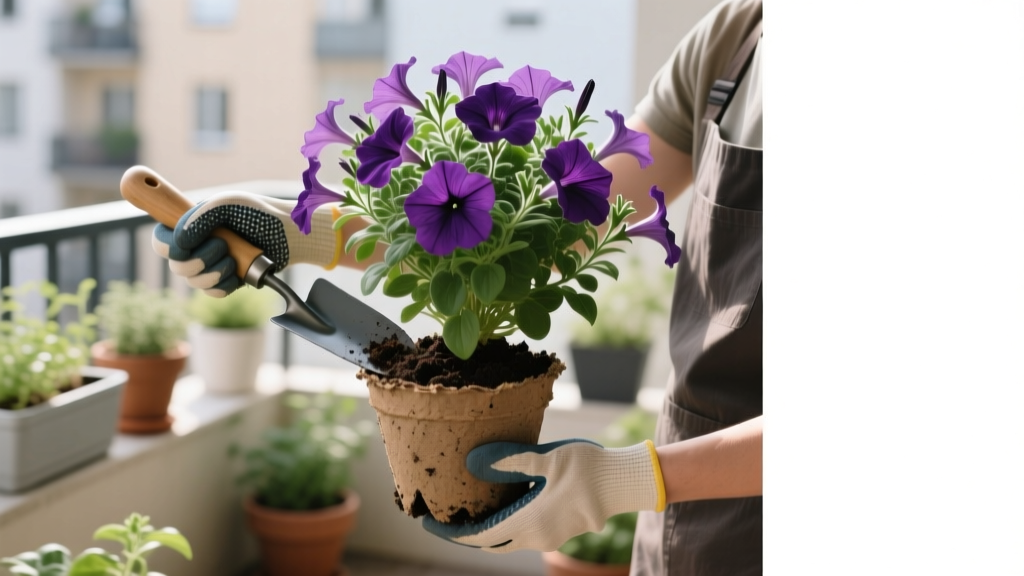
How to Move a Large Petunias Safely
You step outside and the petunias you babied all spring are suddenly in the wrong place: the deck furniture is going back, the heat off the south wall is frying blooms by 2 p.m., or a contractor needs access right where your biggest pot sits. Here’s the part that surprises a lot of gardeners: big, lush petunias often transplant poorly not because they’re “delicate,” but because their roots are shallow, fibrous, and quick to dry out once disturbed. If you move them like a shrub—slow and casual—you can lose a week of flowering overnight.
I’ve moved plenty of overgrown petunias: baskets that weighed more than they should, patio pots you had to shuffle sideways, and in-ground mounds that sprawled across edging stones. The trick is to treat the move like a short medical procedure: plan it, reduce stress, and stabilize quickly. This guide walks you through how to move a large petunia safely, with the exact watering, soil, light, and feeding adjustments that keep it blooming instead of sulking.
Before you lift a thing: decide if you’re moving a pot, a basket, or an in-ground plant
Large petunias typically fall into three setups, and each moves differently:
- Container petunias (pots/planters): You’re mostly managing water shock and physical breakage.
- Hanging baskets: The plant is usually root-bound and dries out fast; the basket may distort or crack.
- In-ground petunias: You’re actually transplanting roots, so timing and root-ball size matter more.
If your petunia is in a container, you’re “relocating” more than “transplanting.” If it’s in the ground, you’re transplanting—so you need to protect the root zone and expect a brief stall.
Timing: the easiest win for a low-stress move
Petunias tolerate handling best when temperatures are moderate and the plant isn’t actively wilting.
- Best time of day: Early morning (roughly 6–10 a.m.) or early evening (6–8 p.m.).
- Best weather window: A cloudy day with highs around 65–75°F (18–24°C).
- Avoid moving during: Midday heat above 85°F (29°C), or when the plant is already limp.
Petunias are warm-season annuals. Cold isn’t your friend either—if nighttime lows are hovering under 50°F (10°C), the plant will recover slower and can yellow from stress.
“Transplanting is most successful when plants are not water-stressed and when environmental conditions reduce transpiration.” — University of Minnesota Extension, transplanting guidance (2020)
That principle applies perfectly to petunias: your goal is to cut water loss for 24–72 hours while roots re-establish contact with moist soil.
Quick comparison: two safe ways to move large petunias (and when each wins)
| Method | Best for | Time needed | Stress level | What you’ll do | Expected bloom pause |
|---|---|---|---|---|---|
| A. “Lift & Place” relocation | Heavy pots, baskets, planters | 10–20 minutes | Low (if watered first) | Water, support stems, move whole container intact | 0–3 days |
| B. “Dig & Replant” transplant | In-ground petunias or plants that must change soil | 30–60 minutes | Moderate | Root-ball cut, replant, water-in, shade briefly | 3–10 days |
With containers, the biggest risk is drying out during the move. With in-ground transplants, the biggest risk is root loss and air gaps in the new planting hole.
Scenario 1: Moving a huge potted petunia across the patio (without snapping it)
This is the most common real-life situation: the plant is thriving, but it’s in the wrong place.
Step-by-step: lift-and-place for containers
- Water 1–2 hours before moving. Give a deep soak until water runs out the drainage holes for 10–20 seconds. Moist soil holds together and protects roots.
- Deadhead and lightly trim first. Remove spent blooms and pinch off leggy tips. For a large plant, trimming back about 10–20% of the longest stems reduces breakage and water demand.
- Wrap the canopy. Use a bedsheet, frost cloth, or even a large trash bag with air holes punched in it. The goal is to keep stems from catching and snapping.
- Lift from the pot, not the plant. Sounds obvious, but people grab the foliage. Slide hands under the rim or use a plant caddy.
- Set it down gently and re-check drainage. If the pot tilts, roots can shift and create dry pockets. Make sure it sits level.
Pro tip: For pots over 16 inches wide or anything you can’t lift comfortably, use a wheeled plant dolly. Less jostling equals fewer broken stems and less root disturbance.
Watering after the move (containers)
After relocation, water again lightly—don’t drown it. If the soil is already wet from the pre-water, top it off with about 1–2 cups around the edge of the pot to settle any shifted soil. Then pause and reassess the next morning.
Scenario 2: Moving an in-ground petunia mound to a new bed
Sometimes petunias are used like groundcover, spilling over edges. If you need that space for something else, you can transplant—but you must keep a usable root ball.
How big should the root ball be?
For a mature petunia mound around 18–24 inches across, aim for a root ball about 8–10 inches in diameter and 6–8 inches deep. Petunia roots aren’t deep, but they spread wide. If you go too small, the plant wilts hard for several days.
Step-by-step: dig-and-replant
- Prep the new hole first. Dig a hole 2 inches wider than the expected root ball and about the same depth.
- Pre-water the plant. Water the day before if soil is dry; then water again 1 hour before digging.
- Cut a clean circle. Use a sharp spade to slice down around the plant, aiming for that 8–10 inch circle.
- Lift with soil intact. Slide the spade under and lift. If soil crumbles, mist the root zone and work quickly.
- Replant immediately. Set the crown (where stems meet soil) at the same level as before. Planting too deep invites stem rot.
- Water-in slowly. Pour 1–2 gallons of water around the root ball in two passes: half, wait 2 minutes, then the rest. This reduces air pockets.
- Provide temporary shade. For 48 hours, give afternoon shade (an umbrella, shade cloth, or a chair works). This is huge in hot weather.
Expect some wilt the first day. The key is whether it firms back up by morning. If it stays limp at sunrise, you need to troubleshoot (we’ll get there below).
Scenario 3: Moving a hanging basket that’s root-bound and drying out daily
Big hanging petunias are showstoppers—and notorious for drying out fast. Moving them can make the problem worse if the root mass shifts away from the basket wall.
Safe move + optional “reset”
- Move it during cool hours and keep it out of wind for the first day.
- Check weight immediately. If it feels light, soak it before you hang it back up.
Soak method: Submerge the basket in a tub of water for 10–15 minutes, then let it drain for 5 minutes. This rehydrates dry peat-based mixes that otherwise repel water. This approach is commonly recommended for rewetting dry container media; see North Carolina State Extension container watering guidance (2023).
If the basket is severely root-bound (roots circling, water runs straight through), you’ll get better results by stepping up to a slightly larger container—moving from a 10-inch basket to a 12–14 inch pot, for example—then refilling around the root mass with fresh mix.
Soil and potting mix: keep it airy, not heavy
Petunias want fast drainage with consistent moisture—sounds contradictory until you use the right mix. Heavy garden soil in a pot is a common reason moved petunias crash: it compacts, then roots suffocate.
Best soil setup (containers)
- Use a quality peat/coir-based potting mix with perlite or similar aeration.
- Avoid adding more than 10–15% compost to containers; too much compost can hold excess water and reduce air space.
- Make sure the pot has at least 1–3 drainage holes and they aren’t blocked.
Best soil setup (in-ground)
In beds, you’re aiming for a crumbly, well-drained loam. If your soil is heavy clay, amend the whole area, not just the planting hole. A “nice hole” in clay can act like a bowl and stay waterlogged.
Petunias perform best in a slightly acidic to neutral range; many extension sources cite a pH around 6.0–7.0 as workable for most bedding plants. If you’re seeing persistent yellowing despite feeding, a quick soil test can save weeks of guessing.
Light management after moving: don’t fry a stressed plant
Petunias love sun—6+ hours is the usual target for strong flowering. But after a move, full blast sun and wind can overwhelm the root system.
- First 48 hours: Give bright shade or morning sun only, especially if highs are above 80°F (27°C).
- After day 3: Gradually return to full sun, watching midday wilt.
If you moved the plant from part shade into full sun, expect a brief adjustment period. If you moved it from full sun into shade, expect fewer blooms and more stretch—petunias will tell you quickly when light is insufficient.
Watering: the make-or-break factor in the first week
Most moved petunias fail from water mismanagement—either drying out once, or being kept soggy “to help it recover.” You want evenly moist, not constantly wet.
Container watering schedule (first 7 days)
- Day 0 (move day): Water deeply before moving; then a small settle-in watering if needed.
- Days 1–3: Check moisture morning and late afternoon. Water when the top 1 inch is dry. In hot weather, that can be daily.
- Days 4–7: Shift to deeper, less frequent watering—still not letting it fully dry out.
A practical test: lift the pot. If it’s noticeably lighter than yesterday and the surface is dry, water. If it’s heavy and cool, wait.
In-ground watering schedule (first 10 days)
- Days 1–3: Water daily with about 0.5–1 gallon per plant (more for sandy soil, less for clay).
- Days 4–10: Water every 2–3 days, aiming to moisten the top 6 inches.
After that, petunias typically settle into a normal rhythm: deep watering when the top couple inches dry. If you’re in a heat wave, all bets are off—containers may need water twice a day.
Feeding: support blooms without burning stressed roots
Petunias are hungry, especially in containers. But right after moving, heavy feeding can backfire. Let the plant rehydrate and stabilize first.
When to fertilize after moving
- Containers: Wait 3–5 days after the move, then resume regular feeding.
- In-ground transplants: Wait 7 days unless the plant is clearly perky and growing.
What to use (practical options)
- Liquid feed: A balanced water-soluble fertilizer at 1/2 strength once a week for two weeks, then full strength if the plant responds well.
- Slow-release granules: A light top-dress can work, but don’t overdo it during heat. Follow label rates; more is not better.
If blooms are slowing and leaves are healthy green, feeding helps. If leaves are yellowing with green veins (interveinal chlorosis), feeding “more” may not help—pH or iron availability could be the real issue.
For general petunia culture and the importance of regular fertility in containers, see Iowa State University Extension horticulture guidance (2021), which notes that many annuals in pots require consistent nutrition due to frequent watering leaching nutrients.
Common problems after moving (with symptoms you can actually use)
Here’s where most gardeners get stuck: the plant looks bad, and you’re not sure whether to water, feed, or cut it back. Use the symptom-based approach below.
Problem: Wilting that doesn’t improve by morning
Likely causes: Root ball dried out, roots damaged, or air pockets around roots.
What to do:
- For containers: Check if water is running down the sides. If yes, do a 10-minute soak to rewet the mix. Then drain well.
- For in-ground: Water slowly with 1 gallon, wait 5 minutes, then water again lightly. Press soil gently to close gaps (don’t stomp).
- Reduce stress: Provide shade for 48–72 hours and pinch back the longest shoots by 10%.
Problem: Yellow leaves and limp growth, soil stays wet
Likely causes: Overwatering, poor drainage, pot sitting in a saucer of water, or compacted mix.
What to do:
- Empty any saucer after watering; don’t let the pot sit in runoff for more than 30 minutes.
- Move the pot to a spot with airflow and morning sun.
- If the mix is heavy and staying wet for days, consider repotting into a better-draining potting mix.
Problem: Fewer blooms, lots of long stems (“leggy”)
Likely causes: Not enough light, not enough feeding, or the plant needs a haircut after stress.
What to do:
- Increase sun exposure toward 6+ hours/day (gradually if it was shaded).
- Feed weekly with a liquid fertilizer at 1/2 strength for two weeks.
- Do a selective cutback: trim stems back by 1/3 (yes, really) if the plant is established and you want it to bush out again.
Problem: Buds shrivel or drop after the move
Likely causes: Heat + water stress during the first 48 hours, or sudden change in light/wind.
What to do:
- Keep the plant evenly moist for a week (don’t let it swing bone-dry to soaked).
- Provide temporary wind protection (a corner, lattice, or porch helps).
- Deadhead damaged buds so the plant redirects energy to new growth.
Problem: Sticky leaves, curled growth, or distorted tips
Likely causes: Aphids, whiteflies, or petunia budworm activity depending on your region.
What to do:
- Inspect undersides of leaves and near growing tips.
- Blast pests off with a firm spray of water in the morning, repeating every 2–3 days for a week.
- If needed, use insecticidal soap, following label directions and spraying in the cool part of the day (avoid hot sun to prevent leaf burn).
Practical “move-day kit”: what I keep nearby
You don’t need fancy tools, but having the basics at hand keeps the move quick (and petunias like quick moves).
- Watering can or hose with gentle nozzle
- Clean pruners (for a quick trim)
- Old sheet or lightweight cloth to wrap the canopy
- Plant dolly (for heavy containers)
- Fresh potting mix (in case the root ball shifts and you need to top up)
- Mulch for in-ground moves (a 1-inch layer helps hold moisture)
A few hard-won rules that save petunias
After you’ve moved enough of these plants, a few patterns become obvious:
- Never move a dry petunia. Dry mix pulls away from roots and re-wets unevenly.
- Stabilize first, feed second. Water and shade do more in the first week than fertilizer does.
- Expect an ugly phase. A big petunia may look rough for 3–7 days, then suddenly rebound if roots stay moist and oxygenated.
- Trim is not cruelty. Reducing top growth by 10–30% often prevents collapse by balancing the root-to-leaf ratio.
If you handle the move during cool hours, keep the root zone consistently moist (not soggy), and ease it back into full sun, most large petunias won’t just survive—they’ll keep blooming like nothing happened. And the next time you need to reshuffle the patio or rescue a plant from a heat trap, you’ll know exactly how to do it without sacrificing the show.