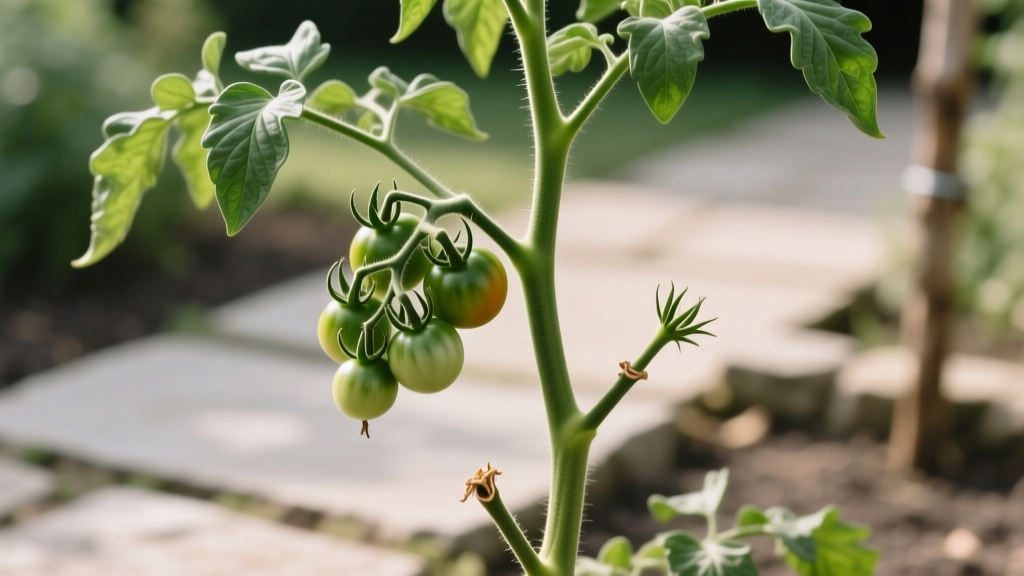
Prune Indeterminate Tomatoes for Bigger Harvests
Why Prune Indeterminate Tomatoes
Indeterminate tomatoes grow and produce fruit all season long — they can reach 6-12 feet if left unchecked. Pruning improves air circulation (reducing disease), directs energy into fruit instead of foliage, and makes harvesting easier.
Identifying Indeterminate vs Determinate
Indeterminate varieties keep growing and producing until frost. They need support (cages, stakes) and benefit from pruning. Examples: Cherry tomatoes, Beefsteak, Brandywine, Sun Gold.
Determinate varieties grow to a fixed height, set all their fruit at once, and stop. Do NOT prune these heavily — you'll reduce your harvest.
The Single-Stem Method (Best for Most Gardeners)
1. Remove all suckers below the first flower cluster. Suckers are the shoots that grow in the "V" between the main stem and a branch.
2. Leave suckers above the first flower cluster if you want more fruit (Missouri method) or remove them all for maximum size (single stem).
3. Remove lower leaves as the plant grows — anything within 12 inches of the ground should be cleared to prevent soil-borne diseases.
4. Repeat weekly — suckers grow back fast in peak season.
The Missouri Method
Pinch off the tip of each sucker, leaving the first two leaves intact. This gives you more foliage (which feeds the plant) while still controlling growth. Best for hot climates where extra leaf cover prevents sunscald.
When to Top Your Tomatoes
About 30 days before your first expected frost, cut off the growing tip at the top of each stem. This forces the plant to redirect energy into ripening existing fruit instead of producing new flowers that won't mature in time.
Common Pruning Mistakes
Over-pruning: Never remove more than 1/3 of the foliage at once. Leaves are the plant's energy factories.
Pruning in wet weather: Wet conditions spread diseases through cut wounds. Prune on dry mornings.
Using dirty tools: Wipe pruners with rubbing alcohol between plants to prevent disease transfer.