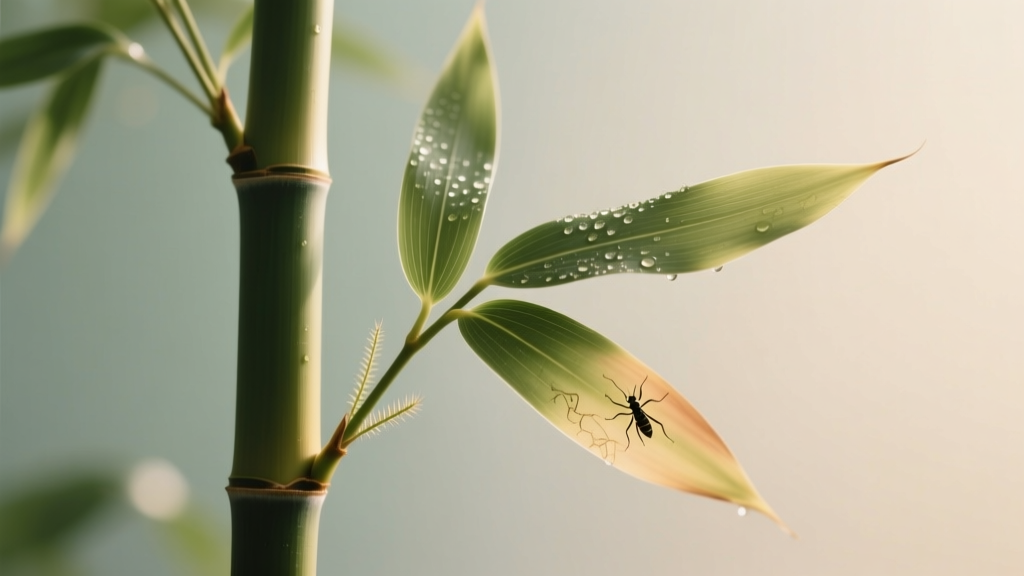
How to Read Your Bamboo's Leaves for Clues
The first time most people notice “something wrong” with bamboo, it isn’t a leaning cane or slow growth—it’s the leaves. One week they’re glossy and green, the next they’re curling like little cigars, freckled with brown spots, or raining down like confetti. The good news: bamboo is chatty. Its leaves tell you what’s happening in the root zone days (sometimes weeks) before the culms show stress. If you learn to read those signals, you can fix problems while they’re still easy.
I’ve used leaf symptoms to diagnose everything from a clogged drainage hole in a patio pot to a hidden irrigation break that was drowning a backyard screen of clumping bamboo. Below is the “leaf-first” way I troubleshoot bamboo: what to look for, what it usually means, and what to do—specifically—so you can stop guessing.
Start With a Quick Leaf “Reading” Checklist
Before you change anything, take 3 minutes to observe. Bamboo problems compound when we treat the wrong cause (extra fertilizer on a thirsty plant, for example). Use this quick scan:
- Where is the symptom? New leaves, older leaves, whole plant, only one side?
- What is the pattern? Brown tips only, margins yellowing, spots, uniform pale green?
- How fast did it change? Overnight usually means water/temperature. Slow changes often point to nutrients or root restriction.
- What’s the weather been? Heat over 90°F, a cold snap below 25°F, or drying wind can show up on leaves fast.
- What changed recently? Repotting, a new fertilizer, herbicide drift, a sprinkler schedule change, new mulch?
Now let’s translate the most common leaf clues into actionable care.
Watering: What Leaves Reveal About Moisture Problems
Bamboo wants consistent moisture—not soggy roots and not bone-dry swings. Most leaf issues I see come from uneven watering more than “not enough water” in general.
Leaf Symptom: Curling or Rolling Leaves (especially midday)
What it usually means: Water stress. Bamboo rolls leaves to reduce water loss. If it uncurls in the evening, you’re on the edge; if it stays curled, you’re behind.
Do this:
- Check moisture 4–6 inches down. Use your finger or a moisture meter. If it’s dry at 4 inches, water.
- Deep-water, don’t splash. In-ground: aim for 1–1.5 inches of water per week during active growth (spring/summer), split into 2 waterings if your soil drains fast.
- For containers: Water until you get steady drainage for 10–20 seconds. Then empty saucers—standing water invites rot.
- Mulch in-ground plantings: Keep 2–3 inches of mulch, pulled back 2 inches from the canes to prevent rot.
Case #1 (real-world): A homeowner with a balcony screen of clumping bamboo watered “a little every day.” Leaves curled by noon and browned at tips. The potting mix was dry below the surface because small daily waterings never penetrated. Switching to a thorough soak every 2–3 days (and checking moisture depth) fixed it within two weeks—new leaves emerged flat and green.
Leaf Symptom: Yellow Leaves + Soft, Limp Growth
What it usually means: Overwatering or poor drainage, often paired with low oxygen at the roots. Yellowing can look like nutrient deficiency, but the texture tells the story: overwatered bamboo looks tired, not crisp.
Do this:
- Confirm drainage: After watering, the pot should drain freely within 1–2 minutes. In-ground, a simple percolation check helps: a hole 12 inches deep should drain within a few hours. If it holds water overnight, you’ve got a drainage issue.
- Stop watering on a schedule. Water when the top 2–3 inches are dry (containers) or when soil at 4–6 inches is just barely moist (in-ground).
- Improve structure: For heavy soils, top-dress with compost and consider a raised berm 6–12 inches high for new plantings.
Leaf Symptom: Brown Tips and Crispy Edges
What it usually means: Typically inconsistent watering, low humidity, salt buildup, or too much fertilizer. Brown tips are common and not always an emergency, but they’re a useful clue.
Do this:
- Rule out drought swings: If the root ball dries hard between waterings, tips burn first.
- Flush salts in containers: Once every 4–6 weeks during the growing season, run water through the pot for 2–3 minutes to leach salts. Use rainwater if your tap water is hard.
- Trim for looks: Snip brown tips to match the leaf shape—purely cosmetic, but it helps you track whether new growth is improving.
Soil & Roots: Leaves as a Window Into What’s Underground
Bamboo is all about roots and rhizomes. When leaves look off and watering seems right, I look next at soil texture, compaction, and root room. Root stress often shows as a general “dullness” in leaf color and smaller leaves over time.
Leaf Symptom: Small New Leaves + Slower Culm Production
What it usually means: Root-bound containers, compacted soil, or depleted soil biology. Bamboo can survive cramped conditions for a while, but leaves get smaller as the root system runs out of space.
Do this:
- Check the container: If roots circle the pot densely or push out drainage holes, it’s time.
- Repot timing: Best in spring when nights stay above about 50°F.
- Pot size jump: Go up 2–4 inches in diameter (too big can stay wet and cause rot).
- Potting mix: Use a well-draining mix; add bark fines or pumice for air space. Avoid straight compost—it holds too much water.
Case #2 (real-world): A clumping bamboo in a decorative ceramic pot looked pale and “stuck” for two years. Leaves were smaller each season, no new shoots. The root ball was a tight mat. After division and repotting into a pot only 3 inches wider with a chunkier mix, it pushed new shoots within the next growth cycle.
Leaf Symptom: Yellowing Starting on Older Leaves (with green veins)
What it usually means: Often magnesium or nitrogen deficiency, but also common when soil pH or root stress blocks uptake. Bamboo prefers slightly acidic to neutral conditions.
Do this:
- Check pH if problems persist: Aim roughly for pH 6.0–7.0 in most garden soils. Extreme pH makes nutrients unavailable.
- Correct gently: If pH is high and leaves show chlorosis, consider soil sulfur (follow label rates) or use an acid-forming fertilizer sparingly.
- Magnesium option: If you suspect magnesium deficiency, a light application of Epsom salt can help, but don’t guess repeatedly—overuse adds salts. One cautious approach is 1 tablespoon per gallon of water as a one-time drench for containers, then reassess new growth.
Light & Temperature: When Leaves Are Telling You “Wrong Spot”
Bamboo tolerates a range of light, but leaf symptoms change depending on whether it’s getting scorched, shaded out, or hit by sudden cold.
Leaf Symptom: Bleached, Washed-Out Patches or Scorched Areas
What it usually means: Sunscald—common after moving a plant from shade to full sun or after thinning nearby trees.
Do this:
- Acclimate gradually: Increase sun exposure over 10–14 days.
- In hot climates: Give afternoon shade when temps regularly exceed 95°F, especially for container bamboo.
- Don’t overcorrect with water: Sunscald is tissue damage; drowning the roots won’t fix it.
Leaf Symptom: Sparse Foliage, Long Internodes, Leaning Toward Light
What it usually means: Too much shade. Bamboo will live, but it won’t look dense.
Do this: Provide brighter light—often 4–6 hours of sun is enough for many clumping types. If it’s a screen planting, thin overhead canopy or relocate smaller specimens.
Leaf Symptom: Tan, Papery Leaves After a Cold Snap
What it usually means: Cold desiccation or freeze damage, especially when the ground is cold and the plant can’t replace moisture lost through leaves.
Do this:
- Wait before pruning: Don’t rush to cut canes. Give it 3–4 weeks in spring to show what’s truly dead.
- Winter watering: If winter is dry and soil isn’t frozen, water deeply every 2–4 weeks.
- Wind protection: Burlap windbreaks help more than people think in exposed sites.
Case #3 (real-world): After a sudden drop to 22°F with strong wind, an in-ground bamboo hedge turned tan almost overnight. The homeowner assumed disease and sprayed fungicide. The real fix was deep watering on the next mild day and leaving the plant alone until spring. New leaves emerged once soil warmed; only the most exposed culms needed removal.
Feeding: What Leaf Color and Timing Tell You About Nutrition
Bamboo is a grass, and like lawns, it responds to nitrogen—but heavy feeding can backfire. Leaves help you thread the needle.
Leaf Symptom: Overall Pale Green, No Spots, No Crispy Texture
What it usually means: Mild nitrogen deficiency or simply slow growth due to cool temperatures. If it’s early spring and nights are still cold, don’t rush to fertilize.
Do this:
- Feed during active growth: Typically spring through mid-summer. Stop heavy nitrogen about 6–8 weeks before your first frost to avoid tender growth.
- Practical rate: For many home gardens, a slow-release fertilizer applied at label rates once in spring is plenty; optionally repeat lightly in early summer.
- Organic option: A 1-inch compost top-dress plus mulch often improves color within a month without the risk of burn.
Leaf Symptom: Brown Tips Right After Fertilizing
What it usually means: Fertilizer burn (salt injury), especially in containers.
Do this:
- Flush immediately: Run water through the pot for 3–5 minutes.
- Remove fertilizer spikes or crusts: If present on the surface.
- Resume feeding lightly: Wait 4 weeks and cut the next dose in half if the plant is in a container.
“Most fertilizer problems I diagnose aren’t from too little plant food, but from too much—especially when combined with dry soil.” — Linda Chalker-Scott, Washington State University Extension publication (2019)
That warning is worth taping to your potting bench. A thirsty bamboo + fertilizer is the classic recipe for scorched tips.
Common Leaf Problems (and What to Do About Them)
Now for the things that look scary on leaves: spots, speckling, and sudden drop. The trick is separating cosmetic issues from true threats.
Leaf Symptom: Black or Brown Spots, Sometimes With Yellow Halos
What it usually means: Fungal or bacterial leaf spot, encouraged by wet foliage, crowding, and poor airflow. Often worse in humid summers or on plants watered from overhead.
Do this:
- Change how you water: Water soil, not leaves. Morning watering is better than evening.
- Improve airflow: Thin a few older culms at ground level. Don’t “shear” bamboo like a hedge; selectively remove.
- Sanitation: Rake up heavily spotted leaves and discard (don’t compost if disease is active).
- Fungicides: Usually not needed for home plantings unless defoliation is severe year after year. Cultural fixes matter more.
Leaf spot rarely kills established bamboo; it mainly signals that conditions are staying too wet on the foliage.
Leaf Symptom: Fine Stippling, Silvery Cast, or Webbing
What it usually means: Spider mites (especially indoors or in hot, dry weather) or sometimes thrips. Webbing is a big clue for mites.
Do this:
- Confirm: Tap a leaf over white paper. If tiny specks move, suspect mites.
- Rinse: Blast leaves (top and underside) with water every 3–4 days for 2 weeks.
- Use insecticidal soap or horticultural oil: Follow label directions; apply in the cool part of the day and test a small area first.
- Raise humidity for indoor bamboo: Aim for 40–60% if possible.
Leaf Symptom: Sudden Leaf Drop (Especially Indoors)
What it usually means: Shock from a rapid change: moving locations, heating vents, low light, or inconsistent watering. Bamboo indoors often drops older leaves as it adjusts.
Do this:
- Stabilize conditions: Keep it away from HVAC blasts. Maintain even moisture.
- Light: Bright indirect light or a few hours of gentle sun. If it’s dim, add a grow light for 10–12 hours daily.
- Don’t fertilize while it’s dropping leaves: Wait until you see healthy new growth.
Comparison: Two Watering Methods (With Real Tradeoffs)
If you only change one habit after reading your bamboo’s leaves, make it this: stop “little sips” and start watering to the depth of the roots. Here’s how two common methods compare in real gardens.
| Watering method | Typical amount per session | How deep it reliably wets soil | Leaf symptoms you’ll often see | Best use case |
|---|---|---|---|---|
| Frequent light watering (hose/sprinkler “quick pass”) | ~0.1–0.2 inches per day | Top 1–2 inches | Midday leaf curl, brown tips, uneven yellowing as roots stay shallow | Seedlings or very shallow-rooted plants (not established bamboo) |
| Deep watering 1–2x weekly (soaker/drip or slow hose soak) | ~0.5–0.75 inches per session (to total 1–1.5 inches/week) | 4–8 inches (sometimes deeper depending on soil) | Flatter leaves, steadier green color, better shoot production | Established in-ground bamboo and most container bamboo (with drainage) |
That depth—4–8 inches—is where you want the “moist zone” for a lot of bamboo roots. Leaves tell you when you’re only wetting the surface.
Troubleshooting by Symptom: Quick Fixes That Actually Work
When you’re standing there with a leaf in your hand, you want clear next steps. Use this section like a field guide.
Symptom: Leaves curled tightly and look dull, soil dry at 4–6 inches
- Likely cause: Underwatering or hydrophobic soil (water running off instead of soaking in).
- Fix: Water slowly for 20–40 minutes at the base (hose on a trickle). For containers, soak the pot in a tub for 20 minutes once, then resume deep watering.
Symptom: Yellowing + mushy smell in pot, fungus gnats, soil stays wet
- Likely cause: Overwatering/poor drainage.
- Fix: Let the top 2–3 inches dry before watering again; ensure drainage holes are open; consider repotting into a chunkier mix. Remove saucers that hold water.
Symptom: Brown tips across many leaves after feeding
- Likely cause: Fertilizer burn/salt buildup.
- Fix: Flush the soil for 3–5 minutes (containers) or run a slow hose soak (in-ground) to dilute salts; pause feeding for 4 weeks.
Symptom: Pale leaves in spring, but weather is cool and soil is moist
- Likely cause: Temperature-limited uptake, not necessarily deficiency.
- Fix: Wait until nights are consistently above 50°F before fertilizing. Focus on even moisture and mulch.
Symptom: Spotted leaves after weeks of overhead watering
- Likely cause: Leaf spot disease favored by wet foliage.
- Fix: Switch to soil-level irrigation; thin culms for airflow; remove the worst leaves.
Three More Situations I See All the Time (and the Leaf Clues)
Scenario A: “My bamboo is yellowing on one side only.” This often traces back to uneven irrigation coverage or reflected heat off a wall. Leaves facing the hot surface may show browning and scorch while the shaded side stays greener. Fix by adjusting sprinkler/drip placement and adding a buffer plant or shade cloth during heat waves.
Scenario B: “New leaves are fine, but old leaves keep yellowing and dropping.” Some leaf turnover is normal—bamboo sheds older leaves as it pushes new growth. If the plant is otherwise vigorous and new leaves are healthy, don’t chase it with fertilizer. If the whole plant is thinning, look for root binding, low nitrogen, or chronic dryness.
Scenario C: “After I installed a bamboo barrier, leaves started browning.” Installing barrier can cut roots and temporarily reduce water uptake. Leaves often show tip burn and slight curl for a few weeks. The fix is steady moisture (not flooding) and patience; avoid heavy feeding until you see normal new growth.
What the Research Says (and Why It Matches What Gardeners See)
Bamboo care advice can get folklore-heavy, so it’s useful to anchor a few points in credible references. The American Bamboo Society notes that most bamboos prefer moist, well-drained soil and respond to mulching and regular watering, especially during establishment (American Bamboo Society cultural guidance, 2023). That lines up perfectly with the leaf signals: curl and tip burn show up first when moisture is inconsistent.
For fertilizer and salt issues, extension horticulture publications consistently warn against overfertilizing and emphasize that salt buildup and drought stress often combine to scorch leaf tips (Washington State University Extension publication, 2019). In practical terms: if tips burn right after feeding, the “leaf clue” is pointing you toward flushing and adjusting your schedule, not adding more products.
If you want your bamboo to look like the pictures—dense, upright, richly colored—make leaf-reading a routine. When you water, glance at whether leaves are flat or rolled by midday. When you fertilize, watch the next 7–14 days for tip response. When seasons change, expect some leaf turnover, but don’t ignore patterns that intensify.
The longer you grow bamboo, the more you’ll trust the leaves. They’ll tell you when the roots are thirsty before the canes droop, when the pot is getting tight before growth stalls, and when “one more dose” of fertilizer is about to become your next problem. Keep your eyes on the foliage, make one change at a time, and let the next flush of new leaves confirm you’re back on track.