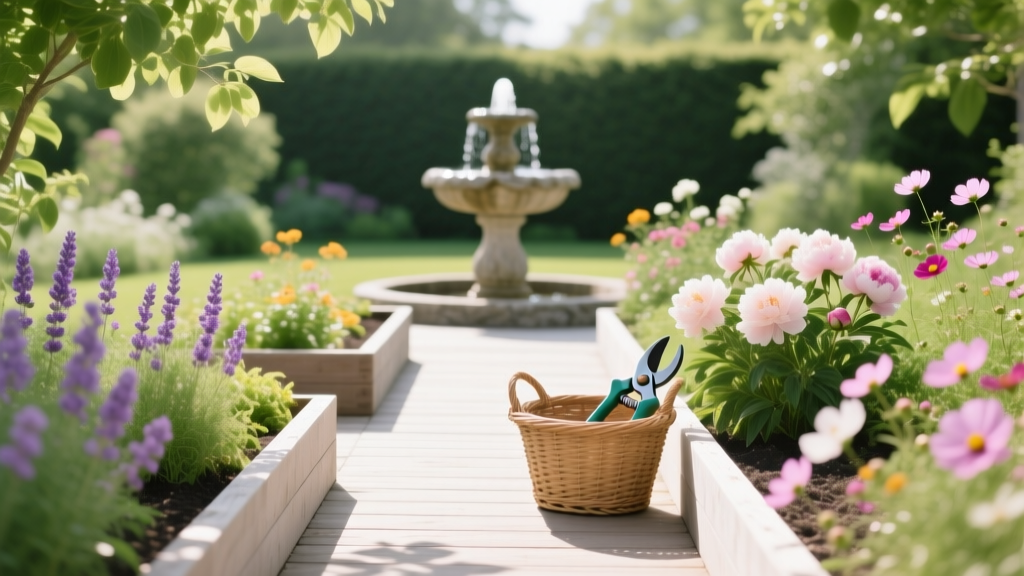
Summer Garden Checklist: Keeping Things Thriving
Summer doesn’t reward hesitation. A week of 90°F heat, a surprise thunderstorm, or a brief dry spell can flip your garden from “fine” to stressed fast. The good news: summer is also when small, timely actions pay back immediately—bigger harvests, fewer pests, and plants that keep flowering instead of fizzling out. Use this checklist to focus on what matters this week, then roll forward with a simple monthly rhythm.
Keep your local average first fall frost date in view and plan backward. Many warm-season crops need 50–90 days from sowing to harvest. If your average first frost is October 15, then a 60-day crop planted by August 15 still has a solid chance—assuming you keep plants watered and protected in late summer.
Before you start, grab these baseline numbers and write them on a stake or garden notebook: your USDA hardiness zone, your first fall frost date, your typical summer highs (often 85–95°F in many areas), and your soil’s watering pace (how many days until the top 2 inches are dry). Summer success is mostly about timing and consistency.
Priority 1 (This Week): What to Plant for Late-Summer and Fall Payoff
Summer planting is about choosing crops that either love heat now or mature fast enough to beat frost later. Your planting window depends on region and zone—but nearly every garden has something worth sowing in summer.
Fast crops you can still direct-sow
Target these when daytime temps are steady above 70°F and nights stay above 55°F. For germination, many seeds prefer soil temperatures around 70–85°F (check seed packets; soil can run hotter than air in full sun).
- Bush beans (many varieties mature in 50–60 days): sow through mid/late summer; keep evenly moist for germination.
- Cucumbers (often 50–65 days): in warm regions, a second sowing can replace plants that slow down from disease.
- Summer squash (about 45–60 days): good for quick replacement plantings.
- Carrots (often 65–80 days): better for late summer when nights begin to cool; keep seedbed damp until sprouted.
- Beets (about 50–70 days): tolerate cooling weather well; excellent for late summer sowing.
- Turnips (often 35–60 days): a classic “save the season” crop.
Heat tip: When air temps push 90°F, cool-season germination can stall. Shade the seedbed with a board, burlap, or 30–40% shade cloth until sprouts appear, then remove gradually over 2–3 days.
Transplants that perform when the heat is real
In USDA Zones 8–10, summer planting can continue for many crops; in Zones 3–6, focus on transplants that can mature quickly and tolerate late-summer temperature swings.
- Basil: replace bolting plants; pinch tips weekly to keep leaf production high.
- Sweet potato slips (warm climates): plant when soil is reliably warm; yields improve with long, hot summers.
- Fall brassicas (broccoli, cabbage, kale): in many regions, transplant from mid-summer through late summer so heads form as nights cool.
If you’re starting fall brassicas in heat, give seedlings afternoon shade and steady moisture. Heat stress early can mean smaller heads later.
Three regional timing scenarios (use the one that matches your garden)
Scenario A: Short-summer gardens (USDA Zones 3–5; first frost often Sept 15–Oct 1). By mid-summer, count days carefully. Choose crops under 60 days or plan season extension. Start broccoli/kale transplants for late harvest, and direct-sow beans only if you’re within the window. Aim to have most fall crops planted by August 1–15, depending on your frost date.
Scenario B: Humid summers (Midwest, Mid-Atlantic, Southeast; frequent disease pressure). Summer planting works well, but spacing and airflow matter more than anything. Choose disease-tolerant cucumber and squash varieties. Stagger plantings every 2–3 weeks to outpace pests and replace declines.
Scenario C: Hot-dry climates (Southwest/intermountain; intense sun, low humidity). Your planting success hinges on irrigation consistency and afternoon protection. Use shade cloth during 100°F stretches, mulch deeply, and plant in the evening. Prioritize heat lovers (okra, peppers, eggplant) and schedule cool-season sowing as soon as nights begin dropping toward 65°F.
Priority 2 (Next 48 Hours): What to Prune, Pinch, and Train (Without Inviting Trouble)
Summer pruning isn’t about shaping for looks—it’s about steering growth, reducing disease, and keeping plants producing. Prune with a purpose, and avoid heavy pruning during extreme heat to prevent sunscald and shock.
Vegetables: keep production high
- Tomatoes: remove leaves touching the soil, and thin crowded interior foliage for airflow. Stake or trellis weekly—don’t wait until storms snap stems. In humid regions, improved airflow can reduce leaf disease spread.
- Indeterminate tomatoes: suckering is optional, but training to 1–2 main stems can improve airflow and simplify spraying or scouting. Avoid stripping too many leaves during heat waves; fruit can sunscald.
- Peppers: remove the first few flowers only if plants are tiny; otherwise let them set. Support heavy branches early to prevent splits.
- Cucumbers and pole beans: guide vines back to trellises every few days; untangled vines are easier to scout for beetles and mildew.
Herbs and flowers: extend bloom and prevent bolting
- Basil, mint, oregano: pinch growing tips weekly. Harvest in the morning for best flavor.
- Deadhead zinnias, marigolds, petunias, and roses on a weekly cadence to keep blooms coming.
- Lavender: light deadheading after bloom is fine; avoid cutting into old wood in midsummer heat.
Shrubs and perennials: prune by rule, not impulse
If a shrub blooms in spring on old wood (like lilac), pruning is generally best right after flowering—not deep into summer. For summer-blooming shrubs (like panicle hydrangea), light shaping is usually okay, but avoid severe cuts during hot spells.
“Avoid pruning during drought or extreme heat; it can increase stress and lead to dieback.” — University of Maryland Extension, Home & Garden Information Center (guidance widely echoed in extension pruning recommendations)
Priority 3 (All Summer): What to Protect—Water, Mulch, Shade, and Support
Protection is where summer gardens are won. Most plant problems in July and August trace back to inconsistent moisture, overheated roots, and preventable pest pressure.
Watering: aim for deep, consistent moisture
For many vegetables, a practical benchmark is around 1 inch of water per week from rain/irrigation combined, delivered deeply rather than daily sprinkles. Sandy soils may need smaller amounts more often; clay may need slower, longer watering to soak in without runoff.
The critical timing is fruit set and fill (tomatoes, peppers, squash, cucumbers). Inconsistent watering during fruiting increases blossom-end rot risk in tomatoes and peppers and can cause cracking in tomatoes.
- Water early morning to reduce leaf wetness duration and evaporation.
- Use drip irrigation or soaker hoses under mulch to keep foliage dry.
- Check soil moisture at 4–6 inches deep; if dry there, it’s time.
Concrete threshold: If you’re seeing afternoon wilting when temps exceed 90°F but plants recover by evening, that can be normal heat response. If they’re still wilted at sunset, you’re behind on water.
Mulch: your summer insurance policy
Apply 2–3 inches of organic mulch (shredded leaves, straw, fine bark) around vegetables and ornamentals, keeping mulch a couple inches away from stems. Mulch reduces soil temperature swings, conserves moisture, and can lower soil splash that spreads disease.
Extension guidance consistently supports mulch for moisture conservation and soil health. For example, North Carolina State University Extension notes mulch helps conserve moisture, reduce weeds, and moderate soil temperature (NCSU Extension, 2020).
Shade and heat management (especially above 95°F)
When highs run 95–105°F for multiple days, flowers can drop and leafy greens can turn bitter. Use:
- 30–40% shade cloth over lettuce, spinach, young transplants, and even peppers during extreme heat.
- Temporary afternoon shade using a row cover hoop with cloth, an old sheet, or lattice panel.
- Wind protection in hot-dry areas—hot wind can dehydrate plants faster than sun.
Support plants before storms do it for you
Summer storms can flatten a garden in minutes. Take 10 minutes weekly to re-tie tomatoes, stake dahlias, cage peppers, and check trellis anchors. If your area gets intense thunderstorms, set posts 12–18 inches deep and use UV-stable ties that won’t slice stems.
Priority 4 (Weekly): Pest and Disease Prevention That Fits Summer Reality
Summer pest control is mostly scouting and timing. Catching problems early often means a quick hand-pick or targeted spray instead of a full-blown outbreak.
Your 10-minute scouting routine (do this twice weekly)
- Flip 5–10 leaves on each major crop; check for eggs, aphids, mites, and chewing damage.
- Inspect new growth tips (where aphids gather) and lower leaves (where disease starts).
- Look at fruit: early stink bug damage, blossom-end rot, cracking, and sunscald show up here first.
Summer’s usual suspects—and what works fast
Tomato hornworm: look for stripped stems and dark frass (droppings). Hand-pick at dusk. If you see hornworms with white rice-like cocoons, leave them—those are parasitic wasps at work.
Squash vine borer (SVB): in many regions, adult activity peaks in early to mid-summer. Use row cover early (remove for pollination), mound soil over vine nodes to encourage re-rooting, and remove/kill larvae if you see sudden wilting. Clean up vines at season’s end to reduce overwintering.
Cucumber beetles: control early to reduce bacterial wilt risk. Use yellow sticky traps for monitoring, kaolin clay barriers, and row covers on young plants.
Spider mites: worst in hot, dry weather. Look for stippled leaves and fine webbing. Increase humidity around plants with morning rinse (if disease pressure is low), reduce dust, and use insecticidal soap or horticultural oil as directed.
Powdery mildew and leaf spot: prevention beats rescue
Powdery mildew often shows up as nights become cooler and humidity rises later in summer, especially on squash, cucumbers, and phlox. Start with spacing, airflow, and keeping leaves dry. If you use fungicides, apply preventively at first sign rather than waiting for widespread coverage loss.
Research-based integrated pest management approaches emphasize correct identification and threshold-based action. Penn State Extension highlights that managing plant diseases relies on prevention (resistant varieties, sanitation, spacing) and timely interventions (Penn State Extension, 2019).
Sanitation and tool discipline (small habits, big payoff)
- Remove diseased leaves—don’t compost them if disease is active.
- Disinfect pruners between plants when working with tomatoes (especially if you suspect disease). A quick wipe with 70% alcohol is practical.
- Keep weeds down: they harbor pests and compete for water.
What to Prepare Now: Late-Summer Transitions, Fall Planting, and Soil Recovery
Mid-summer is the moment to set up your fall garden while you’re still harvesting the summer one. The goal is to avoid a dead zone between crops.
Start a simple “bed turnover” system
As soon as a crop finishes, decide within 48 hours what replaces it: another warm-season crop, a fall crop, or a cover crop. Leaving bare soil in summer invites weeds and bakes soil biology.
- After garlic or onions: plant beans, cucumbers, or a cover crop depending on frost timing.
- After peas: plant basil, bush beans, or start fall brassicas.
- After early potatoes: sow carrots, beets, or a cover crop if you’re out of time.
Fertilizing: feed the right plants at the right time
Summer is not the moment for blanket fertilizing. Feed heavy feeders (tomatoes, corn, squash) when they’re actively growing and setting fruit, but avoid excess nitrogen late—it can push leaves at the expense of fruit and can worsen some pest issues.
If you’re unsure, do a mid-season soil test plan: take notes now and schedule a soil test in early fall. Many state extension services recommend routine soil testing for precise nutrient management; for example, University of Minnesota Extension emphasizes soil testing as the basis for fertilizer decisions (University of Minnesota Extension, 2022).
Plan for fall planting dates using frost math
Use your first frost date and subtract days to maturity, then subtract an extra 10–14 days as a buffer for slowing growth as daylight decreases (especially in northern latitudes). Example: if first frost is October 15 and you want 60-day beets, aim to sow by August 1–15 depending on your local late-summer heat and whether you can cover plants during cold snaps.
Monthly Summer Schedule (Adjust by Zone and Weather)
Use this as a working timeline. Shift earlier by 2–4 weeks in warm zones (8–10) and later by 1–3 weeks in cool coastal climates. In short-season zones (3–5), compress the planting tasks into early summer and start fall planning sooner.
| Month | Top priorities | Planting focus | Protection focus |
|---|---|---|---|
| June | Train vines, stake tomatoes, mulch beds, scout weekly | Succession beans every 2–3 weeks; basil; heat lovers (okra where suitable) | Set drip/soaker hoses; apply 2–3" mulch; start shade plan for heat waves |
| July | Harvest daily, prune for airflow, manage pests early | Second sowing of cucumbers/squash where disease pressure is high; start fall brassica seedlings | Shade cloth when highs exceed 95°F; water deeply; support plants before storms |
| August | Turn over beds fast, replant gaps, disease hygiene | Carrots, beets, turnips; transplant fall brassicas; quick greens as nights cool | Powdery mildew watch; keep foliage dry; protect seedlings from heat and pests |
Summer Checklists You Can Use Today
Today’s 30–60 minute rescue checklist
- Water the thirstiest beds deeply (check moisture 4–6" down).
- Mulch exposed soil to 2–3" depth.
- Stake/tie tomatoes and tall flowers; secure trellises.
- Remove leaves touching soil on tomatoes; clean up obvious disease leaves.
- Scout: underside of leaves, new growth tips, fruit damage.
- Harvest ripe produce to keep plants producing (especially beans, cucumbers, zucchini).
Weekly summer rhythm (pick two consistent days)
- Day 1: Scout + harvest + tie/support + quick weed pass.
- Day 2: Deep water as needed + deadhead flowers + re-mulch thin spots + replant one short row (succession).
Heat wave protocol (when highs run 95°F+ for 3 days)
- Water early morning; avoid mid-day watering that evaporates fast.
- Shade sensitive crops with 30–40% shade cloth.
- Pause heavy pruning; protect fruit from sunscald (don’t strip too many leaves).
- Check containers twice daily; pots can dry out in hours.
Three Common Summer Problems—and the Fast Fix
Problem 1: Tomatoes look rough—yellowing lower leaves and spots. Fix: remove the worst lower leaves, improve airflow, avoid overhead watering, and mulch to reduce soil splash. If disease pressure is high, consider a labeled fungicide early rather than late.
Problem 2: Cucumbers and squash fade by mid-summer. Fix: plant a second round in July (many areas) so new vines take over as older plants decline. Train up a trellis for airflow, and start powdery mildew prevention at first sign.
Problem 3: Containers keep wilting even when you water. Fix: water until it runs out the bottom, then water again 10 minutes later (hydrophobic potting mix can shed water). Add shade in late afternoon and consider moving pots so they avoid the hottest reflected heat. In sustained heat, expect daily watering.
Summer rewards gardeners who act a little earlier than feels necessary—mulch before plants wilt, tie before storms, and plant the next crop before the current one finishes. Pick your two weekly garden days, keep your frost date math visible, and treat scouting as part of watering. Do that, and your garden won’t just survive summer—it will keep producing right into the edge of fall.
Sources: North Carolina State University Extension (2020), mulch benefits and moisture conservation guidance; Penn State Extension (2019), disease prevention principles and integrated management; University of Minnesota Extension (2022), soil testing as the basis for fertilizer decisions.