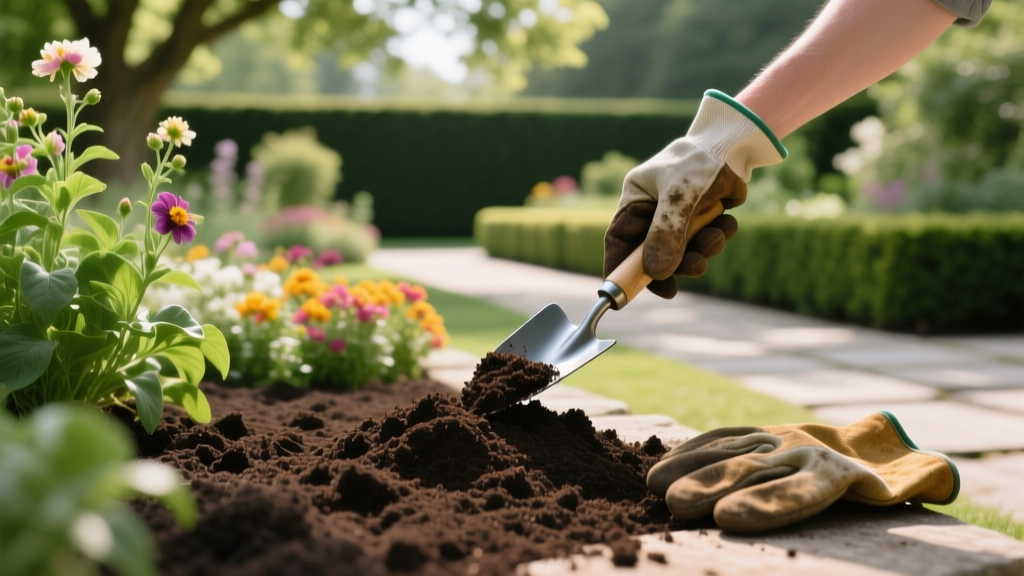
Summer Garden: Mid-Season Soil Top-Dressing
Mid-summer is when gardens quietly run out of runway. Spring fertilizers have been spent, mulches have thinned, irrigation is uneven, and plants are either powering through fruit set—or stalling right when you need steady growth. Mid-season soil top-dressing is the fastest, least disruptive way to refill the soil “pantry” without tearing up roots. Done at the right time, it boosts moisture retention during heat waves, improves soil structure, and keeps vegetables and ornamentals producing into late summer and fall.
The window is tighter than most gardeners think: top-dress after the first big harvest flush, after a deep watering or rain, and before prolonged heat or drought sets in. If your daytime highs are hovering around 85–95°F and nights stay above 60°F, your soil biology is active enough to process organic materials—provided you don’t let the surface bake dry.
Use this guide like a seasonal almanac: prioritize the tasks that matter right now, match materials to plant needs, and make choices based on your USDA zone and your summer pattern (humid, arid, coastal, or short-season).
Top Priority: Top-Dress Now (Without Disturbing Roots)
What “mid-season top-dressing” means in summer
Top-dressing is a thin layer of organic matter or a targeted amendment spread on the soil surface around plants. You’re not “digging it in.” Worms, water, and microbes do the incorporation over time. In summer, the goal is to feed soil life, buffer moisture and temperature, and supply slow-release nutrients while avoiding salt burn or forced, leafy growth.
“Soil organic matter… improves soil structure, increases water infiltration, and increases water-holding capacity.” — USDA NRCS Soil Health guidance (USDA-NRCS, 2020)
Best materials for mid-season top-dressing (and when to use them)
Choose based on what your plants are doing right now:
- Finished compost (preferred all-purpose): Use for vegetables, berries, perennials, shrubs. Adds slow nutrition and improves water-holding without spiking growth.
- Worm castings (high-value, small dose): Great for containers, seedlings you transplanted late, and heavy-feeding crops that are fruiting (tomatoes, peppers). Use thinly; it’s potent and expensive.
- Leaf mold or partially decomposed mulch: Ideal for moisture management in hot zones, woodland gardens, and around hydrangeas/rhododendrons where you want gentle improvement.
- Composted manure (only well-finished): Best for corn, squash, and long-season crops in early-to-mid summer; avoid on leafy greens near harvest due to food safety concerns.
- Targeted organic fertilizer (light, measured): Use when growth is stalling and plants show deficiency. Measure and water in—don’t broadcast blindly in heat.
For food safety, follow extension recommendations when using manures. The USDA National Organic Program (NOP) includes timing restrictions for raw manure; for home gardens, it’s simplest to use fully composted manure products mid-season.
How much to apply: quick summer rates that work
Keep layers thin so you don’t smother crowns or create a soggy collar that invites rot.
- Vegetable beds: 1/4 to 1/2 inch finished compost between rows and around plants (keep it off stems).
- Tomatoes/peppers/eggplant: 1–2 handfuls compost per plant as a ring at the drip line, then water deeply.
- Perennials and shrubs: 1/2 inch compost in a donut from 3 inches away from the crown/trunk out to the drip line.
- Containers: 1/2 inch compost or castings, then top with fresh mulch; water until runoff.
Step-by-step: the 45-minute top-dress routine (per bed)
- Water first (or wait until the day after a soaking rain). Dry soil repels water; top-dressing on dust is wasted.
- Pull back old mulch into the aisle temporarily. You want compost touching soil, not sitting on mulch.
- Apply compost thinly around plants. Leave a 2–3 inch bare ring around stems/crowns to prevent rot and rodent damage.
- Scratch the surface lightly in open spaces only (not near roots). A hand rake is enough—avoid chopping feeder roots.
- Replace mulch 2–3 inches deep (or refresh to that depth). Keep mulch off stems.
- Water again to settle materials and activate microbes.
Timing target: do this in the first 2 weeks after your first major harvest flush (often late June to mid-July in Zones 5–7, earlier in Zones 8–10, later in Zones 3–4). If a heat wave is forecast with highs above 95°F for 3+ days, top-dress 48 hours before it starts, water deeply, and mulch immediately.
What to Plant Next (Using Top-Dressing to Power Successions)
Mid-season top-dressing is the secret weapon for fast turnarounds: it replenishes the top layer where seeds germinate and transplants establish. Plant right after top-dressing so young roots grow into improved soil.
Succession sowing: the mid-summer list
- Beans (bush): Sow when soil temps are 60–85°F. In many regions, you can sow through mid-July for an early fall harvest.
- Carrots and beets: Sow for fall harvest; keep seedbed evenly moist for 7–14 days. Compost top-dressing helps prevent surface crusting.
- Basil, dill, cilantro (in partial shade): Cilantro bolts quickly above 80°F; give afternoon shade.
- Summer squash (short-season varieties): A second planting can outrun early pest pressure if started after peak squash vine borer in some areas.
- Fall brassicas (transplants): In Zones 4–7, start transplants now for late summer planting; they need steady nutrition to size up before shorter days.
Work backward from frost: 3 real-world timing scenarios
Scenario 1: Short-season, cool nights (USDA Zones 3–4; first frost often ~Sept 15–30). Count backward: if your first frost is Sept 20, you want most direct-sown crops established by July 15–25. Top-dress and sow immediately; don’t wait for “later.” Use row cover in late August to buffer cool nights and extend harvest by 2–4 weeks.
Scenario 2: Classic temperate summer (Zones 5–7; first frost often ~Oct 5–25). You can plant a second round of beans and carrots in mid-July through early August. Top-dress right after pulling garlic or early potatoes, then replant the same day to keep soil from baking bare.
Scenario 3: Long, hot season (Zones 8–10; frost late Nov to Feb, or none). In sustained heat, focus on soil cooling. Top-dress with compost, then mulch 3 inches deep. Plant heat-lovers now (okra, southern peas) and plan for fall gardens: start seedlings in shade and aim to transplant when highs drop below 90°F.
What to Prune (So Your Top-Dressing Pays Off)
Top-dressing helps, but pruning is what prevents your plants from wasting that improved moisture and nutrition on doomed growth. Summer pruning is about airflow, disease prevention, and directing energy into fruit and roots.
Vegetables: prune for airflow and harvest quality
- Tomatoes: Remove lower leaves touching soil and any yellowing leaves. In humid areas, this reduces splash-borne disease risk. Stake or trellis so leaves dry quickly after rain.
- Indeterminate tomatoes: If you prune suckers, do it consistently and lightly. Avoid stripping plants during heat—sunscald is common when fruit is suddenly exposed.
- Cucumbers and squash: Remove leaves with heavy powdery mildew; discard (don’t compost if disease is advanced). Keep vines off wet soil with trellis or straw mulch.
Perennials and shrubs: tidy without triggering stress
- Deadhead spent blooms on coneflower, salvia, coreopsis to extend flowering and reduce seed set (unless you want seed for birds).
- Pinch herbs (basil, mint) to prevent flowering and keep flavor strong.
- Avoid hard pruning of stressed shrubs during extreme heat (highs > 90–95°F); prune lightly in the cooler morning.
What to Protect (Heat, Pests, and Summer Diseases)
Top-dressing increases biological activity near the soil surface, which is good—but summer also favors fast-moving pests and fungal problems. Pair your top-dressing with protection steps the same week.
Heat and water: protect the new top-dress layer
- Mulch depth: Maintain 2–3 inches organic mulch in beds; 1–2 inches in very humid climates to avoid crown rot.
- Watering target: Deep watering to moisten soil 6–8 inches down, then let the surface dry slightly. Frequent shallow watering keeps roots shallow and increases heat stress.
- Morning irrigation: Water early so leaves dry. This is a key disease prevention step in humid regions.
Overwatering and overfertilizing in summer can backfire. Oregon State University Extension notes that excess nitrogen can push lush growth that is more attractive to pests and more disease-prone (OSU Extension, 2019). Mid-season feeding should be measured and tied to plant performance, not anxiety.
Pest prevention that pairs well with top-dressing
- Slugs and pillbugs: Fresh compost and mulch can increase hiding places. Keep compost pulled back from stems and use boards or traps to monitor. If damage spikes, thin mulch slightly around seedlings.
- Squash vine borer (SVB): In many regions, peak activity is early-to-mid summer. Protect with row cover until flowering, then remove for pollination. Mound compost at nodes to encourage re-rooting if vines are damaged.
- Aphids and whiteflies: Avoid high-nitrogen top-dresses (fresh manure, heavy fertilizers). Use a strong water spray in the morning; encourage beneficials with small flowers nearby.
- Spider mites (hot, dry): Dusty, dry conditions favor mites. Top-dress + mulch reduces dust; rinse undersides of leaves with water if populations build.
Disease prevention: summer’s predictable problems
Most mid-summer disease outbreaks are predictable: wet leaves + warm nights, or stressed plants + high humidity. Top-dressing helps plants stay resilient, but you still need hygiene.
- Powdery mildew: Common on cucurbits and phlox when nights are warm and humidity rises. Increase airflow, avoid overhead watering late in day, and remove heavily infected leaves.
- Early blight/septoria on tomatoes: Prevent soil splash with mulch; prune lower leaves; avoid working plants when wet. Compost top-dressing plus mulch is a strong combination here.
- Crown and stem rots: Keep compost and mulch off crowns (strawberries, perennials) and don’t bury stems.
What to Prepare (Late-Summer Payoffs Start Now)
Mid-season top-dressing is not just a rescue move—it sets up your late-summer and early-fall garden. Use it to prep beds, stage fall crops, and reduce the workload you’ll face when temperatures finally drop.
Prepare beds you’ll replant in 2–6 weeks
As you clear early crops (garlic, onions, early potatoes, bolting lettuce), don’t leave bare soil. Within 48 hours of pulling a crop:
- Top-dress with 1/2 inch compost.
- Water deeply.
- Mulch lightly if the bed will sit, or plant immediately.
Prepare for fall feeding—without late nitrogen mistakes
Late summer is when gardeners accidentally “fertilize for winter kill.” For perennials, shrubs, and lawns, avoid heavy nitrogen applications late in the season that push tender growth. Clemson University Extension notes that late-season nitrogen can increase susceptibility to winter injury in some landscape plants (Clemson Extension, 2018). Compost top-dressing is gentler and focuses on soil structure rather than forcing growth.
Prepare compost and mulch supplies (before you’re short)
- Check stock: You’ll need roughly 1 cubic yard of compost to cover about 600 sq ft at 1/2 inch depth (approximate, varies with compost density).
- Stage mulch: Keep mulch dry and covered so it doesn’t arrive full of fungal gnats or weed seeds.
- Screen if needed: If compost is lumpy, screen a portion for seedbeds and use the chunky fraction under mulch around established plants.
Mid-Season Top-Dressing Schedule (By Month and Climate)
Use this schedule as a practical cadence. Adjust by 2–4 weeks based on your local frost dates and current temperatures.
| Timeframe | Cool/Short Summer (Zones 3–4) | Temperate (Zones 5–7) | Hot/Long Summer (Zones 8–10) |
|---|---|---|---|
| Late June | Top-dress after first harvest; mulch to warm/cool swings | Top-dress tomatoes/peppers; refresh mulch before July heat | Top-dress early morning; prioritize moisture retention |
| Mid-July | Final window for many direct-sows; protect with row cover at night if temps dip < 50°F | Succession sow beans/carrots; top-dress beds after garlic harvest | Shift to heat crops (okra/cowpeas); start fall seedlings in shade |
| Early August | Top-dress and transplant fall brassicas; aim to establish before Aug 15–25 | Second top-dress light dose if heavy feeders are fruiting hard | Wait for highs to trend below 90°F for major transplanting |
| Late August | Mulch and protect for cool nights; watch for late blight weather patterns | Prepare beds for fall greens; keep soil covered | Top-dress again if monsoon rains leached nutrients; monitor fungal issues |
Comparison: Top-Dressing Materials at Mid-Season
| Material | Best Use in Summer | Risk if Misused | How Thick |
|---|---|---|---|
| Finished compost | All-purpose soil refresh; seedbeds; under mulch | Weeds if unfinished; can crust if left unmulched in heat | 1/4–1/2 inch |
| Worm castings | Containers; heavy feeders during fruit set | Costly; overapplication can create overly rich surface | 1/8–1/4 inch |
| Composted manure | Corn, squash, hungry beds early-mid summer | Salt burn if not finished; food safety concerns if raw | 1/4 inch |
| Leaf mold | Moisture retention; woodland beds; shrubs | Low nutrients; won’t correct deficiencies quickly | 1/2 inch |
| Granular organic fertilizer | Correcting clear nutrient shortfalls; fruiting crops | Overfeeding in heat; attracts pests if overapplied | Per label |
Region-Specific Plays: Match Strategy to Your Summer
Humid East / Midwest: prevent fungal spirals
When dew is heavy and afternoon thunderstorms are frequent, your top-dressing plan should prioritize mulch + airflow. Apply compost thinly, prune for ventilation, and keep mulch from creeping into crowns. If you’ve had repeated tomato leaf diseases, avoid splashing soil: water at the base, mulch well, and remove the lowest 12–18 inches of foliage gradually as plants grow.
Timing cue: After a 1-inch rain event, wait 24–48 hours for the surface to stop being tacky, then top-dress and remulch to lock in moisture without creating a constantly wet collar.
Arid West / High Desert: stop evaporation first
In dry climates, compost alone isn’t enough—you need a mulch cap. Top-dress in the evening or early morning, water deeply, then mulch immediately. Consider a lighter-colored mulch to reduce surface heating. Watch for salts: if you use well water and see white crusting, avoid manure products and use compost + periodic deep soak to leach salts below root zones (only where drainage allows).
Temperature cue: If daytime highs exceed 95°F, avoid fertilizing with fast-release nitrogen. Stick to compost and focus on consistent moisture.
Coastal / Marine climates: manage cool nights and slug pressure
Cool nights slow nutrient cycling, and slug pressure can spike under fresh mulch. Top-dress with compost, but keep it pulled back from stems and use coarse mulch that dries on the surface. Use iron phosphate bait as needed, and set simple monitoring traps so you act early rather than after seedlings are shredded.
Fast Timelines: What to Do This Week vs. Next
This week (pick a 2–3 hour block)
- Water deeply, then top-dress the most stressed bed (often tomatoes/peppers or cucurbits).
- Refresh mulch to 2–3 inches (keep 2–3 inches away from stems).
- Prune the lowest tomato leaves; stake/tie plants for airflow.
- Scout undersides of leaves for mites/aphids; hose off early infestations.
Next week
- Top-dress the next bed (beans/carrots/succession area).
- Sow a succession row (beans or carrots) immediately after top-dressing.
- Remove diseased leaves from cucurbits; thin overcrowded growth.
- Check irrigation coverage; correct dry spots (especially at bed edges).
Mid-Season Top-Dressing Checklist (Print-and-Go)
- Compost: enough for 1/4–1/2 inch layer
- Mulch: enough to restore 2–3 inch depth
- Hand rake or cultivator (light surface scratch only)
- Pruners + a bucket for diseased foliage
- Soaker hose/drip check: clogs fixed, emitters aimed
- Row cover on hand (Zones 3–6 for late-season protection; also for pest windows)
- Notebook: record date, material, and where you top-dressed
Recordkeeping matters in summer. When plants surge two weeks after top-dressing, you’ll know what worked. When a bed stays pale, you’ll know compost alone wasn’t enough and you can correct with a measured, crop-appropriate feed.
Done right, mid-season top-dressing is the quiet reset that carries your garden through the hardest weeks—when heat and pests are loud, and soil depletion is invisible. Feed the soil surface, lock it in with mulch, keep air moving through foliage, and replant quickly so bare ground never bakes. In 10–14 days, you should see deeper leaf color, steadier moisture, and a noticeable jump in flowering and fruit fill—exactly when the garden needs it most.
Sources: USDA NRCS Soil Health guidance (2020); Oregon State University Extension, fertilizer and plant growth guidance (2019); Clemson University Extension, late-season nitrogen and winter injury risk (2018).