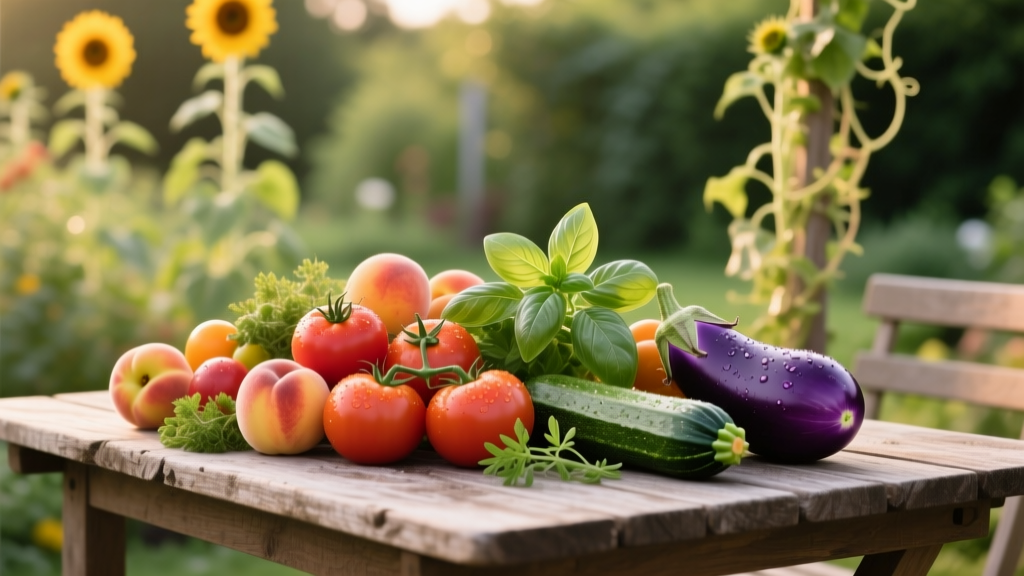
What to Harvest in Summer
Summer harvests don’t wait. A few days of heat can turn crisp beans into stringy pods, cucumbers into seedy clubs, and lettuce into bitter, bolting stalks. The opportunity is just as real: harvest at peak, and you’ll keep plants producing, improve flavor, and reduce pest pressure. Use this as a right-now checklist—organized by priority—so you can pick, cool, preserve, and replant on the same week you pull food from the garden.
Before you step outside: grab a bucket of cool water for quick dunking, a clean knife or pruners, and a small tote for “process today” crops (berries, cucumbers, basil). Aim to harvest in the first 2 hours after sunrise, or after 7 p.m. when plants rehydrate. If your afternoon temperatures are above 90°F, harvest early; quality drops fast once produce warms up.
Priority 1: Harvest now (and keep plants producing)
Daily-to-every-other-day harvest list
These crops reward frequent picking. If you miss a few days, plants often slow down or quality declines.
- Green beans: Pick when pods are firm and “snap,” typically 4–6 inches for many varieties. Harvest every 2–3 days in peak production.
- Cucumbers: Harvest slicing types at 6–8 inches, pickling types at 3–5 inches. Check vines daily in hot spells; they can jump a size overnight.
- Summer squash/zucchini: Best at 6–8 inches. Larger fruit signals the plant to slow down. Pick every 1–2 days.
- Okra (Zones 7–10, and warm microclimates): Harvest pods at 2–4 inches long; once they’re tough, they’re done. Pick every 1–2 days once flowering begins.
- Cherry tomatoes: Pick fully colored; harvest every 2–3 days to reduce cracking and splitting after summer storms.
- Berries (strawberries in some regions, raspberries, blackberries): Pick every 1–2 days. Harvest gently—ripe berries bruise easily and don’t improve after picking.
Weekly harvest list
These crops can be checked weekly, but don’t let them sit too long in heat.
- Tomatoes (slicers/paste): Harvest at full color. If nighttime temperatures stay above 75°F for a week, you may see poor fruit set; harvest what’s ripening and keep plants healthy for the next flush.
- Peppers: Harvest green at full size, or wait for full color for sweeter flavor. Colored fruit can take 2–3 additional weeks after reaching mature green.
- Eggplant: Harvest when skin is glossy and fruit rebounds slightly when pressed. Overmature fruit turns dull and seedy.
- Melons: Harvest cues vary (slip stage for many muskmelons; drying tendril near stem for watermelons). Don’t rely on size alone.
- Potatoes (new): For “new potatoes,” dig carefully 2–3 weeks after flowering while plants are still green; cure storage potatoes after vines yellow and die back.
Harvest timing cues that prevent waste
Use plant signals, not just the calendar:
- “Pick to keep producing” rule: beans, cucumbers, squash, okra. If fruit stays on the plant, it shifts into seed production and slows down.
- “Peak then process” rule: basil, dill, cilantro, berries. Harvest early day; cool immediately; plan to use or preserve within 24 hours.
- “Cure for storage” rule: onions, garlic, winter squash (if ready), potatoes. Heat and airflow matter more than immediate refrigeration.
“Harvesting vegetables at the proper stage of maturity is essential for best quality and flavor; many crops are at their best for only a short period.” — University of Minnesota Extension (2018)
Priority 2: What to plant right after harvest (to keep beds productive)
Summer harvest creates openings—especially where garlic, early potatoes, peas, or bolted greens came out. Replant within 7 days if you can; bare soil in summer invites weeds and moisture loss. Your next planting depends on heat, daylight, and your first fall frost date.
Use your frost date as the anchor
Count backward from your average first fall frost. Example: if your first frost is October 15, then August 15 is 8 weeks out—prime time for many fall crops in cooler regions. In hot regions, earlier planting plus shade cloth often works better than waiting.
- 8–10 weeks before first frost: broccoli (transplants), cabbage (transplants), carrots (direct), beets, bush beans (last sowing), cilantro.
- 6–8 weeks before first frost: lettuce (heat-tolerant types), spinach (closer to cool-down), radishes, turnips, Asian greens.
- 4–6 weeks before first frost: arugula, quick salad mixes, radishes (final round), green onions.
Heat thresholds that change what’s worth planting
Temperature drives germination and bolting. Use these practical thresholds:
- Soil above 80°F: lettuce and spinach germination often struggles; sow in shade, pre-chill seed, or start indoors.
- Air above 90°F for multiple days: transplant shock increases; plant in late afternoon and water deeply.
- Night temps above 75°F: tomatoes may drop blossoms; focus on plant health and harvesting rather than pushing blooms.
- First frost within 60 days: prioritize fast crops (radish, salad greens) over long-season replacements.
Three regional “right now” scenarios
Scenario A: Short-summer North (USDA Zones 3–5; Upper Midwest, Northern New England)
By mid-summer, you’re already planning fall. After harvesting garlic around late July, replant with fast crops: bush beans (if you still have 55–60 days to frost), beets, carrots, and hardy greens. Consider low tunnels by mid-September to extend harvest 2–4 weeks.
Scenario B: Humid East/Southeast (Zones 7–9; hot nights, disease pressure)
Focus on succession planting that tolerates heat and humidity: okra, sweet potatoes, southern peas, and heat-tolerant greens (Malabar spinach). Start fall brassica transplants under shade cloth and move them out once highs drop below 88–90°F. Plan fungicide-free disease management with spacing, pruning for airflow, and drip irrigation.
Scenario C: Arid West/Intermountain (Zones 5–9; intense sun, low humidity)
Harvest quality stays high, but water management decides everything. After pulling early crops, replant immediately and mulch deeply (2–3 inches). Use 30–40% shade cloth for lettuce and new transplants when highs exceed 95°F. Water deeply in the morning; avoid frequent shallow watering that leads to blossom end rot and bitter greens.
Priority 3: What to prune (to improve harvest and reduce disease)
Summer pruning isn’t about making plants pretty—it’s about keeping fruit clean, reducing disease spread, and extending production. Prune on dry mornings so cuts dry quickly.
Tomatoes: prune for airflow, not perfection
- Indeterminate tomatoes: remove suckers below the first flower cluster if you’re training to 1–2 stems. Don’t strip heavily in heat; keep enough leaf cover to prevent sunscald.
- All tomatoes: remove leaves touching soil and any yellowing or spotted leaves. If disease is present, bag and trash (don’t compost).
- Timing: light pruning weekly; avoid major pruning during heat waves above 95°F.
Cucurbits (cucumbers, squash, melons): manage vines and remove diseased leaves
- Snip off leaves with heavy powdery mildew or lesions; keep at least 70% healthy foliage so plants can still photosynthesize.
- Lift fruit off soil with straw, boards, or trellising to reduce rot and pest damage.
Herbs: harvest-prune to delay flowering
- Basil: cut above a leaf node, taking the top 4–6 inches regularly to keep it branching. Once it flowers, flavor shifts fast.
- Dill/cilantro: succession sow every 2–3 weeks rather than fighting inevitable bolting in heat.
Berry canes: prune with next year in mind
For summer-bearing raspberries, remove spent floricanes after harvest so light reaches new canes. For blackberries, follow your variety type (erect vs trailing) and tie new growth to keep it off the ground.
Priority 4: What to protect (your harvest, plants, and future yield)
Summer is peak pressure season: insects multiply quickly, fungal spores spread in humidity, and wildlife learns your routines. Protecting now preserves both current harvest and late-summer/fall production.
Heat and sun protection (fruit quality matters)
- Prevent sunscald on peppers and tomatoes: keep foliage; don’t over-prune; use shade cloth during extreme heat.
- Prevent bolting: for lettuce and cilantro, provide afternoon shade and consistent moisture; harvest outer leaves early.
- Water timing: deep water early morning. If you must water in evening, keep leaves dry (drip/soaker) to reduce disease.
Summer pest watchlist (and what to do this week)
Squash vine borer (common in many regions, especially East/Midwest): Look for sudden wilting despite moist soil. Check stems for entry holes and frass. If you’re in an area where SVB pressure is high by early summer, prioritize harvesting and succession planting fast crops as vines decline.
Tomato hornworm: Scout at dusk. Hand-pick. If you see white “rice-like” cocoons on a hornworm, leave it—those are parasitoid wasps doing their job.
Aphids and whiteflies: Blast off with water early in the day, repeat every 2–3 days for a week. Use reflective mulch or yellow sticky cards in enclosed growing areas. Avoid excess nitrogen that makes tender, aphid-prone growth.
Japanese beetles: Hand-pick into soapy water in morning. Protect grapes, roses, and fruit trees with exclusion netting where feasible; avoid beetle traps near the garden (they can attract more beetles locally).
Summer diseases: prevention beats treatment
Powdery mildew (cucurbits, phlox, bee balm): Improve airflow, avoid overhead watering, and remove worst leaves. Many gardens see it mid-to-late summer; the goal is to slow it so you keep harvesting.
Early blight / Septoria leaf spot (tomatoes): Mulch to reduce soil splash, prune lower leaves, and water at soil level. Rotate away from tomatoes/peppers/eggplant/potatoes for 3 years if disease is chronic. Cornell University research summarizes that mulching reduces soil splash and can reduce foliar disease spread (Cornell Cooperative Extension, 2019).
Blossom end rot (tomatoes, peppers): This is usually uneven moisture affecting calcium uptake, not a lack of calcium in soil. Keep watering consistent and mulch. Michigan State University Extension notes that irregular watering is a primary driver of blossom end rot symptoms (MSU Extension, 2020).
Priority 5: What to prepare (storage, preservation, and fall setup)
Summer harvesting is only half the job. Cooling, curing, and preserving determine whether your work becomes meals—or compost.
Same-day handling rules (quick, practical)
- Cool fast: Greens, beans, berries, and cucumbers last longer when cooled quickly. Even a sink of cool water helps.
- Don’t wash berries until use: Moisture accelerates mold.
- Shade your harvest: Never leave a picking bucket in direct sun; quality can drop in under 30 minutes.
Curing and storage prep
- Garlic/onions: Cure in a dry, shaded, well-ventilated area for 2–3 weeks. Then trim and store cool and dry.
- Potatoes: Cure freshly dug storage potatoes at about 55–65°F with high humidity for 10–14 days (dark, ventilated space), then store cooler and dark.
- Winter squash (if harvested late summer in warm zones): Cure at about 80–85°F for 7–10 days if possible, then store cool and dry.
Preservation priorities by crop
When everything ripens at once, decide quickly:
- Freeze: berries, chopped peppers, blanched beans, pesto cubes.
- Dry: herbs (basil is better as pesto/frozen), hot peppers, some tomatoes.
- Can: tomato sauce, salsa (use tested recipes), pickles. Use research-based, tested procedures for safety; National Center for Home Food Preservation guidelines are the standard reference (UGA Extension, 2022).
Monthly harvest schedule (use as a weekly rhythm)
Timing varies by USDA zone and planting date, but this schedule helps you keep pace. Adjust two to four weeks earlier in warm Zones 8–10, and two to four weeks later in cool Zones 3–5.
| Month | Harvest Focus | Quality Risk if You Wait | Best “Next Planting” After Harvest |
|---|---|---|---|
| June | Strawberries, peas, early lettuce, herbs | Bolting greens; peas get starchy | Beans, basil, cucumbers (late), more herbs |
| July | Beans, cucumbers, zucchini, tomatoes begin, garlic (many areas) | Overgrown cucurbits; split tomatoes after storms | Carrots, beets, fall brassica transplants (in cooler regions), more beans if time |
| August | Tomatoes peak, peppers, eggplant, melons, okra, sweet corn (some areas) | Sunscald; insect damage; fast overripening in heat | Lettuce (shade), radish, turnips, cilantro, spinach later in month (cool nights) |
| September | Late tomatoes, fall beans, apples (some), winter squash (some), greens | Frost risk; disease pressure on late tomatoes | Garlic prep beds, cover crops, overwintering onions (mild zones) |
Timelines you can follow this week
The 7-day summer harvest workflow
- Day 1: Harvest cucumbers/squash/beans; remove overmature fruit; water deeply.
- Day 2: Scout pests at dusk; hand-pick hornworms and beetles; remove diseased leaves.
- Day 3: Harvest tomatoes/peppers/eggplant; set aside blemished fruit for sauce.
- Day 4: Succession sow a short-row (beans or greens) if you’re 60+ days from first frost.
- Day 5: Mulch newly opened beds 2–3 inches; check irrigation lines/soaker hoses.
- Day 6: Harvest and process herbs (freeze pesto; dry oregano/thyme).
- Day 7: Do a “clean harvest” pass: pick everything usable before it overripens; compost only disease-free debris.
Summer harvest checklist (printable-style)
- Pick beans, cucumbers, zucchini every 1–3 days
- Harvest early morning when possible; shade harvest immediately
- Remove overmature fruit to keep plants producing
- Mulch to reduce soil splash and stabilize moisture
- Water consistently; avoid “drought then flood” cycles
- Scout weekly for hornworms, aphids, whiteflies, beetles
- Remove diseased leaves; disinfect pruners between plants if disease is present
- Replant open beds within 7 days (or cover crop/mulch)
- Plan fall crops based on first frost date (count back 6–10 weeks)
Fast fixes for common mid-summer harvest problems
“My cucumbers are bitter.” Usually heat + inconsistent water. Harvest smaller, water evenly, and mulch. Bitter fruit won’t improve after picking—use it for compost or try peeling (bitterness concentrates in skin/end).
“My zucchini are getting huge before I notice.” Check daily and harvest at 6–8 inches. If you’re overwhelmed, pick all oversized fruit immediately; the plant often rebounds with a new flush.
“Tomatoes are cracking.” Cracking often follows heavy rain after dry soil. Mulch and water consistently to reduce swings. Pick tomatoes as they begin to color (breaker stage) and finish ripening indoors if storms are forecast.
“My beans stopped producing.” Usually pods were left to mature (seed signal) or plants are heat-stressed. Pick every pod you can find, water deeply, and consider a new sowing if you still have 55–60 days before frost.
“Everything is ripening at once.” Set a harvest priority: (1) berries and cucumbers (most perishable), (2) beans and squash, (3) tomatoes and peppers (more flexible), (4) curing crops. Freeze what you can’t process within 24–48 hours.
Summer harvest is a feedback loop: pick on time, and plants keep giving. Stay on a tight rhythm—every 48 hours for the fast crops, weekly for the rest—and you’ll roll straight from summer abundance into a strong fall garden without losing quality to heat, pests, or overmaturity.
Sources: University of Minnesota Extension (2018) guidance on harvest timing and vegetable quality; Cornell Cooperative Extension (2019) research-based recommendations on mulching and foliar disease reduction; Michigan State University Extension (2020) notes on blossom end rot and irregular watering; University of Georgia Extension/National Center for Home Food Preservation (2022) standards for safe home food preservation methods.