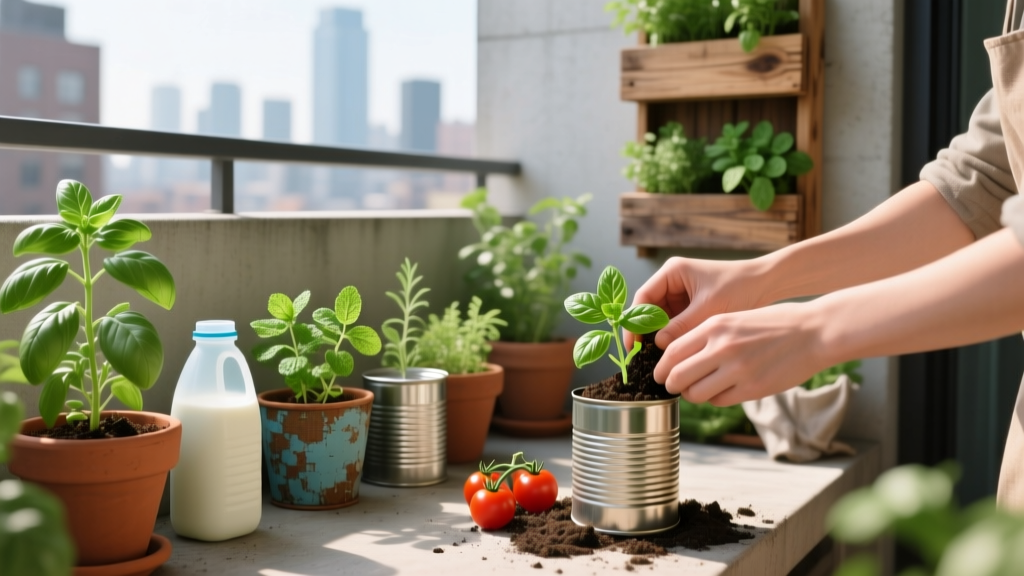
How to Garden on a Tight Budget
The biggest money-waster in gardening isn’t a fancy tool or a rare plant—it’s buying “fixes” before you know what your garden actually needs. A $12 bag of mystery fertilizer, a $40 gadget, and a $30 “miracle soil” later, you’ve spent real cash… while the real issue might’ve been poor sunlight or the wrong plant in the wrong spot.
Budget gardening isn’t about doing less. It’s about spending on the few things that genuinely move the needle (like compost and mulch), and getting creative everywhere else. Let’s break down the best shortcuts, hacks, and proven techniques that keep your garden thriving without draining your wallet.
Start With a Plan That Prevents Expensive Mistakes
Map the sun before you buy a single plant
One of the most common “budget” disasters is buying plants first and figuring out light later. Spend one day checking your yard at 9 a.m., 12 p.m., and 3 p.m. and note what gets 6+ hours of sun (true “full sun”) versus part shade. The cheapest plant is the one that lives—if a $4 tomato seedling dies in shade, it’s not a bargain.
Example: If your patio only gets 4 hours of sun, switch from tomatoes to leafy greens like lettuce and spinach that tolerate part shade and mature faster.
Measure your space so you don’t overbuy soil and mulch
“Eyeballing it” is how people end up with three half-used bags of soil and not quite enough mulch. Use this quick math: Volume (cubic feet) = length × width × depth (in feet). A 4 ft × 8 ft bed filled 6 inches deep (0.5 ft) needs 16 cubic feet of soil mix.
Example: Two 8-quart potting soil bags equal about 0.5 cubic feet total—great for containers, terrible for beds. Beds are where bulk deliveries or homemade blends save serious money.
Do a cheap soil check before buying amendments
A lab soil test often costs around $15–$30 through many extension offices and can prevent you from buying the wrong fertilizer (or adding lime when you needed sulfur). Many universities recommend testing every 3–5 years for home gardens to guide nutrient and pH adjustments (University of Minnesota Extension, 2023).
Scenario: A renter growing in-ground for the first time spends $25 on a test and learns the soil already has high phosphorus—so they skip the “bloom booster” and focus on compost and nitrogen instead.
Soil and Fertility: Spend Smart, DIY the Rest
Make compost the budget “fertilizer” you can’t mess up
Compost improves soil structure and water-holding—so you save money on both fertilizers and watering. Aim for a simple 2:1 ratio of “browns” (dry leaves, shredded paper) to “greens” (kitchen scraps, fresh grass clippings) by volume, and keep it as damp as a wrung-out sponge. A basic pile can be free; a DIY bin made from pallets is usually $0–$20 depending on what you can scrounge.
Example: Fall leaves are basically free soil gold—bag them, keep them dry, and you’ve got browns for months.
Use leaf mold for free potting “fluff”
Leaf mold is just decomposed leaves, and it’s fantastic for improving moisture retention in beds and containers. Stuff leaves into a trash bag with a few holes, wet them, and wait 6–12 months. Mix leaf mold into garden beds or blend it into container mixes to reduce how much peat/coir you need to buy.
Example: If you normally buy two $12 bags of potting mix each spring, swapping in leaf mold for one bag can cut your container soil costs nearly in half.
Skip pricey “raised bed soil” and blend your own
Pre-bagged raised bed mixes are convenient, but they’re often the most expensive way to fill a bed. A reliable budget blend is: 50% screened topsoil + 30% compost + 20% aeration material (aged pine fines, coarse sand, or perlite if you need it). Buy compost in bulk when possible—it’s usually cheaper per cubic foot than bags.
Example: Filling a 4×8 bed (16 cu ft) with bagged mix at $10 per 2 cu ft bag costs about $80. A bulk topsoil/compost blend might come closer to $35–$55 depending on local prices and delivery fees.
Mulch like you mean it (and water less)
Mulch is one of the rare garden purchases that pays you back fast. Apply 2–4 inches of mulch around plants (keep it an inch or two away from stems) to reduce evaporation and suppress weeds. Research consistently shows mulches help conserve soil moisture and moderate soil temperatures, which can reduce irrigation needs (USDA NRCS, 2017).
Case example: A family with a 200 sq ft vegetable patch adds 3 inches of shredded leaves in spring and notices they water every 4–5 days instead of every 2–3 during warm weeks.
“Mulch is one of the simplest tools gardeners have to conserve moisture, reduce weeds, and protect soil.” — USDA Natural Resources Conservation Service (NRCS), 2017
Plants: Get More for Less (Without Sacrificing Quality)
Grow from seed for the biggest price drop per plant
Seed packets often cost $2–$4 and can contain 50–200+ seeds. Compare that to $4–$6 per transplant for tomatoes or peppers, and the math gets silly fast. Start easy: beans, zucchini, cucumbers, basil, dill, and marigolds are low-drama from seed.
Example: One $3 packet of bush beans can plant a 10–15 ft row, while buying the equivalent as starts could easily run $20–$30.
Time your shopping: buy perennials at the right moment
Perennials are often discounted hard at the end of the season. Shop in late summer or early fall when nurseries mark things down 30–70%. Planting in early fall also helps roots establish while temps are cooler, so you get a stronger plant next spring.
Example: A $20 shrub at 50% off becomes $10, and you’re not paying extra for “spring perfection” that disappears after a week outside.
Swap plants, divisions, and cuttings with neighbors
Perennials like daylilies, hostas, yarrow, bee balm, and ornamental grasses are practically made for dividing. A single mature clump can yield 3–10 new plants with a shovel and 10 minutes. Local garden clubs and neighborhood groups often host swaps where your “extra” becomes someone else’s treasure.
Scenario: A new homeowner needs a front border on a budget. They trade a bucket of iris divisions for coneflowers and black-eyed Susans—instant pollinator bed for $0.
Pick “high-return” crops that beat grocery prices
If you’re growing food to save money, focus on crops with high store prices and strong yields: herbs, salad greens, cherry tomatoes, and snap peas. Basil alone can be $3 per small clamshell at the store; a $3 seed packet can supply pesto-level basil all summer. Skip space hogs with low grocery value unless you love them (looking at you, giant pumpkins).
Example: Grow 3 basil plants in a sunny 12-inch pot and harvest weekly—enough for cooking without buying herbs for months.
Containers and Beds: Cheap Setups That Still Work
Turn food-safe buckets into planters (the right way)
Ask bakeries or restaurants for 5-gallon food-grade buckets—often free or $1–$3 each. Drill 8–12 drainage holes in the bottom and add a 1-inch layer of coarse material only if your mix is very fine (most potting mixes drain well without “rocks”). Buckets are perfect for potatoes, peppers, dwarf tomatoes, and herbs.
Example: Four free buckets + $20 of soil mix can produce a season of peppers and herbs for less than one fancy container pot.
Build raised beds from salvaged materials (safely)
Untreated lumber, reclaimed bricks, concrete blocks, and stone can all make solid beds. Avoid using old railroad ties or unknown pressure-treated wood for food beds if you can’t verify what it was treated with. A simple 4×8 bed made from untreated 2×10 boards is often cheaper than prefab kits—and you can keep it even cheaper by building smaller, like two 3×6 beds.
Case example: A renter builds two 3×6 beds from reclaimed bricks found on a neighborhood “free stuff” listing, spending only on compost and topsoil.
Use a comparison chart before you buy bed materials
| Bed/Container Option | Typical Cost | Best For | Tradeoffs |
|---|---|---|---|
| 5-gallon food-grade buckets | $0–$3 each | Patios, renters, herbs/peppers | Need frequent watering in heat; limited root space |
| In-ground rows | $0–$30 (soil test + compost) | Big harvests, lowest setup cost | Weeds can be higher; soil may need improvement |
| DIY wood raised bed (4×8) | $50–$150 (varies by lumber) | Neat layout, easier soil control | Upfront cost; eventually needs repair |
| Fabric grow bags (10–20 gal) | $5–$12 each | Roots, drainage, small spaces | Dry out faster; need storage off-season |
Water: Save Money by Using Less (and Using It Better)
Water deeply, but less often, with a cheap “can test”
Instead of guessing, place 3–4 straight-sided cans (like tuna cans) around your garden and run your sprinkler/drip until they collect 1 inch of water—then you know how long it takes to apply a meaningful soak. Many home lawn-and-garden guidelines use 1 inch per week as a baseline, adjusting for heat, rain, and soil type (Colorado State University Extension, 2022). Deep watering encourages deeper roots, which means fewer emergency watering sessions.
Example: If it takes 45 minutes to fill the cans to 1 inch, you can water once a week for 45 minutes instead of 10 minutes every day (which often evaporates and trains shallow roots).
DIY drip irrigation from soaker hoses (and actually make it work)
Soaker hoses are often cheaper than full drip kits and can be surprisingly effective if you lay them correctly. Snake the hose through beds, pin it down, and cover it with 2 inches of mulch to cut evaporation. If water pressure is high, add a simple pressure regulator (often $8–$15) so the hose weeps evenly instead of blasting at the beginning and starving the end.
Scenario: A gardener with three 4×8 beds uses two $15 soaker hoses instead of a $60 drip kit and still gets consistent moisture under mulch.
Collect rainwater where it’s legal—and start small
If local rules allow, a basic rain barrel setup can cut summer water use. Even a modest 50-gallon barrel fills quickly in a storm: 0.5 inch of rain on a 200 sq ft roof section yields about 62 gallons (rainfall × area × 0.623). Start with one barrel and a screen to block mosquitoes and debris, then expand if you actually use it.
Example: Use rain barrel water for containers first—containers dry out fastest and benefit most from “free” water.
Tools and Supplies: Buy Less, Borrow More, Improvise
Adopt a “one good pruner” rule
You don’t need a shed full of tools, but you do need a pruner that doesn’t crush stems. Spend $15–$30 on a decent bypass pruner and keep it sharp—this prevents plant damage and reduces disease entry points. Everything else can be borrowed, improvised, or bought secondhand.
Example: A sharp pruner handles deadheading, herb harvests, and light shrub trimming—three tools replaced by one.
Check tool libraries, buy-nothing groups, and estate sales
Many cities have tool libraries where you can borrow expensive items like post-hole diggers, loppers, and broadforks for the cost of membership (sometimes $0–$50/year). Estate sales are also gold mines for sturdy older tools—often $2–$10 each. Clean and oil wooden handles and metal parts, and you’ve got decades of use.
Case example: A homeowner needs to amend a new bed and borrows a broadfork from a tool library instead of paying $120 for a new one.
Use household “garden gear” that works shockingly well
There’s no rule that says a “garden scoop” must come from the garden aisle. An old plastic food container becomes a soil scoop; a colander becomes a harvest basket; chopsticks make perfect dibbers for seed holes. Save the money for compost and mulch—the unglamorous stuff that actually changes outcomes.
Example: A retired kitchen colander rinses lettuce and doubles as a breathable basket for beans and peppers.
Pest and Disease: Prevent First, Treat Cheap
Use physical barriers instead of sprays
Row cover (floating fabric) is one of the best budget pest tools because it prevents damage rather than chasing it. A basic sheet of lightweight cover can protect brassicas from cabbage moths and cucurbits from cucumber beetles—often for $10–$25 depending on size. Install it at planting and secure edges with boards, rocks, or soil so insects can’t crawl in.
Example: Cover young kale and broccoli for the first 4–6 weeks to avoid buying sprays and losing leaves to caterpillars.
Make a “soft soap” spray only when you’ve confirmed the pest
Don’t spray just because you see a bug—identify first. For aphids, a simple option is insecticidal soap or a DIY version using a mild liquid soap at about 1–2 teaspoons per quart of water, sprayed on the insects (not as a “preventive” on everything). Test on a small patch first and spray in the evening to reduce leaf stress.
Example: Aphids on pepper tips: blast with water first; if they return, spot-treat with the soap mix instead of coating the whole garden.
Prevent fungal problems with spacing and morning watering
Fungal disease leads to panic-buying fungicides, but basic airflow does a lot for free. Follow plant spacing on seed packets, prune tomato suckers below the first flower cluster if plants are dense, and water early so leaves dry fast. A $0 change in routine beats a $20 bottle you may not need.
Scenario: A gardener in a humid area stops overhead watering at night and sees less powdery mildew on squash without buying a single treatment.
Real-World Budget Game Plans (Pick One and Run It)
Scenario 1: Apartment balcony with $25 to start
Buy (or scavenge) two 5-gallon buckets, drill drainage, and spend the bulk of the budget on a decent potting mix. Plant one bucket with cut-and-come-again lettuce and spinach, and the other with basil and green onions (onions from grocery “ends” can regrow). With 4–5 hours of sun, you’ll still harvest weekly greens and herbs—exactly the stuff that’s expensive at the store.
Scenario 2: New homeowner, ugly builder soil, $100 max
Spend $25 on a soil test, then put the remaining money into compost and mulch instead of random fertilizers. Start with one 4×8 in-ground bed: loosen the top 6–8 inches, add 2 inches of compost, and top with 3 inches of shredded leaves or cheap mulch. Plant reliable performers from seed: beans, zucchini, herbs, and sunflowers for pollinators and morale.
Scenario 3: Family garden focused on grocery savings
Skip crops that are cheap to buy (like bulk potatoes or dry beans) and focus on high-value harvesters: salad greens, cherry tomatoes, herbs, and snap peas. Use soaker hoses under 2–3 inches of mulch so watering takes minutes instead of daily effort. Save seeds from open-pollinated herbs and beans at the end of the season to lower next year’s costs even further.
Small Habits That Keep Your Garden Cheap Year After Year
Keep a “wins and fails” note so you don’t repeat purchases
Write down what you planted, when you planted it, and what actually produced. This prevents the classic budget leak: buying the same plant every year that never thrives in your microclimate. Even a simple note like “cilantro bolts by June—plant in March and again in September” saves money and frustration.
Save and store seeds correctly (so they’re viable next season)
Seeds stay viable longer when they’re cool, dark, and dry. Store them in a jar or sealed container with a little packet of silica gel (often free from packaging) and keep them in a closet or fridge. Label with the year—after 2–3 years, germination rates can drop for some crops, so sow a little thicker instead of buying new immediately.
Buy only what you’ll use twice
Before buying a specialty product, ask: “Will I use this in two different ways?” Compost and mulch pass that test easily; most single-problem bottles don’t. If you do buy something, choose the simplest multi-use version—like plain row cover instead of pest-specific gadgets.
Budget gardening gets easier after the first season because your soil improves, your compost pile starts paying rent, and you stop buying “hope in a bag.” Spend on the basics that change the system (soil, mulch, a decent pruner), build your garden around free and repeatable resources (seeds, swaps, leaves), and you’ll be shocked how quickly your costs drop while your harvests go up.
Sources: University of Minnesota Extension (2023) soil testing guidance; Colorado State University Extension (2022) irrigation “inches per week” baseline and measurement methods; USDA NRCS (2017) mulch benefits for moisture conservation and weed suppression.