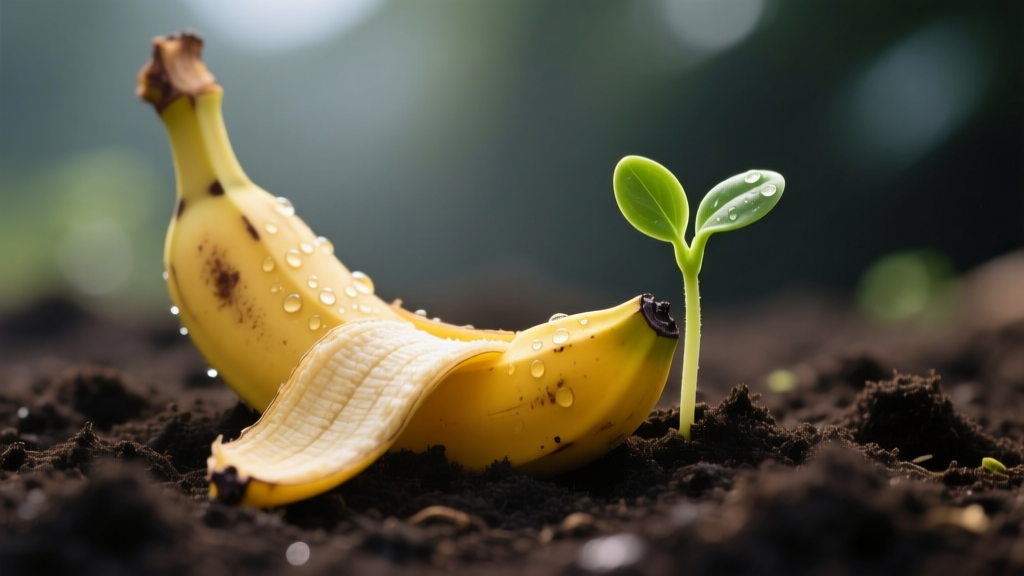
Banana Peel Fertilizer: Myth or Reality
The most common banana-peel mistake isn’t using them—it’s expecting a peel to “feed” a plant the moment you bury it. Fresh peels don’t magically pour potassium into roots overnight; they have to break down first, and that can take weeks to months depending on temperature, soil life, and how you prepare them.
Banana peels can be useful in the garden, but the reality is more “slow contribution to compost/soil” than “instant bloom booster.” Let’s sort the myth from the parts that actually work, with specific methods you can use this weekend.
Myth-busting first: what banana peels really do (and don’t)
Tip: Stop treating peels like soluble fertilizer
Banana peels are organic matter, not a water-soluble fertilizer you can measure like 10-10-10. Their nutrients (especially potassium) are tied up in plant tissue and need microbes to release them. If your plant is showing deficiency symptoms today, peels are too slow—reach for a labeled fertilizer or compost tea that’s actually ready.
Real-world example: If your tomato leaves are curling from heat stress and you bury peels, nothing changes this week; but a properly dosed liquid fertilizer can help within 7–10 days.
Tip: Know what’s in a peel—and why it’s not the full story
Peels contain potassium and smaller amounts of other nutrients, but they’re not a complete plant diet. Plants need nitrogen for leafy growth, and peels are relatively low in nitrogen compared to grass clippings or manure-based compost. Think of peels as a minor ingredient, not the main meal.
Specific number: As a rough rule, a single average peel weighs about 30–40 g fresh; even if it’s potassium-rich, that’s still a tiny dose spread over a whole bed once it decomposes.
“Organic materials must decompose before plants can use most of the nutrients they contain; that process depends on temperature, moisture, and microbial activity.” — Colorado State University Extension (2013)
Tip: Don’t use peels to “fix” blossom end rot
Blossom end rot is primarily about calcium movement and inconsistent watering, not a lack of potassium. Adding banana peels often distracts gardeners from the real fix: steady moisture and avoiding root stress. If you want a soil amendment for calcium, use gypsum or lime based on a soil test, not fruit scraps.
Real-world example: In raised beds, switching to consistent deep watering (for example, 1 inch per week) often reduces blossom end rot far more than any peel trick.
Use peels the smart way: methods that actually pay off
Tip: Chop small for faster breakdown (the “quarter-inch rule”)
If you’re going to bury peels, don’t bury them whole. Slice into strips or squares about 1/4 inch (6 mm) wide so microbes can work faster and critters have less to grab. Smaller pieces also disappear into the soil without creating slimy pockets.
Scenario: In a container lemon tree, chopping peels fine and mixing into the top 2 inches of potting mix is less likely to attract fungus gnats than burying a whole peel.
Tip: Bury shallow and away from stems to avoid odor and pests
Keep peel pieces 4–6 inches away from plant stems and bury them only 2–3 inches deep. Too deep slows decomposition; too close invites rot smells and can attract raccoons, rats, or dogs. If pests are common in your area, skip direct burial and compost instead.
Scenario: In suburban gardens with raccoons, direct burying peels often leads to nighttime digging; composting inside a lidded bin solves it.
Tip: Use peels as a compost “ingredient,” not a compost “system”
Peels shine in compost where decomposition is the whole point. Add peels as “greens” (they’re moist and nitrogen-lean but still count as fresh material) and balance with “browns” like dry leaves or shredded cardboard. Aim for roughly 2 parts browns to 1 part greens by volume to avoid stink and flies.
Specific number: If you toss in 2 cups of chopped peels, add about 4 cups of dry leaves or torn corrugated cardboard.
Tip: Freeze peels to stockpile, then compost in batches
If you eat bananas faster than your compost can handle, freeze peels in a zip bag and add them when you have enough browns to balance. Freezing also ruptures cell walls, which helps them break down faster once composted. This is a tidy kitchen hack that keeps fruit flies out of your pail.
Cost note: A box of 50 compostable kitchen bags can run $12–$18; freezing peels reduces the need for frequent bag changes and cuts odor.
Tip: Make “banana peel powder” only if you’ll use it correctly
Dry peels (sun-dry or low oven) and grind into a powder for an easier-to-handle amendment—but it’s still slow-release. Mix 1–2 tablespoons into the top inch of soil around heavy feeders (tomatoes, roses) once every 4–6 weeks during active growth. Don’t dump a cup into one pot; it can mat and repel water.
Scenario: Apartment gardeners with balcony pots often prefer powder because it’s clean, odor-light, and doesn’t attract pests like buried scraps can.
Tip: Skip “banana peel tea” if you want real nutrition (but use it as a wetting trick)
Soaking peels in water for a few days mostly creates flavored water with very low nutrient content, not a true fertilizer. If you like the habit, use it as a watering routine for consistency, not as a nutrient plan. Keep it short: steep 24–48 hours, then dilute 1:1 with water to reduce smell and avoid anaerobic funk.
Expert-backed reality check: University extension resources routinely note that nutrients in organic materials aren’t instantly available without decomposition and mineralization in soil (e.g., CSU Extension, 2013).
Where banana peels help most: targeted garden scenarios
Tip: Roses—use composted peels or powder, not fresh chunks
Roses appreciate steady nutrients and organic matter, but fresh peels can attract digging animals right at the base of your plant. Use finished compost that included peels, or sprinkle 1 tablespoon of peel powder around the drip line and water in. Repeat monthly during bloom cycles instead of dumping a pile once.
Case example: A rose bed mulched with 1 inch of compost each spring (with kitchen scraps included) typically shows better bloom consistency than random peel-burying, because compost delivers balanced nutrition and better soil structure.
Tip: Tomatoes and peppers—think “soil building,” not emergency feeding
If you’re trying to improve next season’s tomato yield, peels can be part of your compost or fall trench composting. Chop peels and bury them in a fall bed, then cover with leaves; by spring, most will be broken down. For in-season feeding, use a labeled vegetable fertilizer so you can control dosage.
Specific timing: Trench-compost peels in October–November for spring planting in many climates; decomposition is much slower if you do it in cold soil mid-winter.
Tip: Houseplants—avoid fresh peels unless you enjoy fungus gnats
Indoor pots don’t have the same soil ecosystem as garden beds, and they’re notorious for attracting gnats when fresh organic scraps are added. If you want to use banana peels indoors, choose peel powder and keep it light: 1 teaspoon per 6-inch pot every 6 weeks. Or better yet, top-dress with a thin layer of worm castings.
Case example: A pothos in a low-light corner often responds more to improved light and a measured liquid feed than to any amount of peel scraps in the pot.
Tip: Seedlings—keep peels out of the starter mix
Seed-starting mixes are designed to be clean and predictable; adding decomposing fruit scraps invites mold and inconsistent moisture. If you want a “free fertilizer” boost for seedlings, wait until they’re potted up and use a diluted balanced fertilizer at 1/4 strength. Save peels for the compost pile that will feed your garden later.
Scenario: Gardeners starting peppers indoors in February often see damping-off issues worsen when organic scraps are introduced too early.
Pest, smell, and safety: keep the shortcuts from backfiring
Tip: If you have rodents, don’t bury food scraps—use a sealed compost route
In rodent-prone neighborhoods, burying peels is basically ringing a dinner bell. Use a lidded compost bin, trench compost under hardware cloth, or switch to peel powder incorporated lightly into soil. The small effort up front saves you the headache of chewed irrigation lines and dug beds.
Specific number: A basic locking compost bin often costs $60–$120, which can be cheaper than replacing one season of damaged drip tubing and seedlings.
Tip: Wash peels if you’re worried about residue (but don’t overthink it)
If you’re using peels in compost or drying them for powder, a quick rinse can remove surface residues and fruit stickers. Don’t use soap; just water and a quick rub. Composting and soil biology do the heavy lifting, and most home gardeners won’t notice a difference either way—but washing can reduce weird odors when drying.
Real-world example: If you dry peels in a low oven, a rinse first reduces the chance of sticky smoke and baked-on sugars.
Tip: Don’t ferment peels in sealed jars unless you understand what you’re making
Some social media methods encourage sealing peels with sugar and water to “ferment fertilizer.” That can build pressure, smell awful, and still isn’t a balanced feed. If you want a legit ferment route, research established practices (like bokashi) and use the right bran and airtight bucket.
Specific number: A bokashi starter kit typically runs $40–$80, but it’s far safer and more predictable than DIY jar ferments that can leak or burst.
Banana peels vs. better cheap options (the honest comparison)
If your goal is “fast results,” peels are rarely the best tool. If your goal is “use kitchen waste to build soil over time,” they’re great. Here’s how common methods stack up.
| Method | Speed of plant-available nutrients | Pest/smell risk | Best use | Typical cost |
|---|---|---|---|---|
| Fresh peels buried in soil | Slow (weeks to months) | Medium–high (digging, odor) | Outdoor beds with low pest pressure | $0 |
| Peels added to compost | Medium (when compost finishes) | Low (if balanced with browns) | Soil building, mulching, bed prep | $0–$120 (bin optional) |
| Dried peel powder top-dress | Slow–medium | Low | Containers, tidy feeding routine | $0 (energy to dry) |
| Banana “tea” soak | Very low (minimal nutrients) | Medium (stink if over-steeped) | Habit watering, not real feeding | $0 |
| Balanced granular fertilizer (store-bought) | Predictable (days to weeks) | Low (if labeled and used correctly) | Correcting deficiencies, fruiting crops | $10–$25 per bag |
Tip: For actual potassium needs, use labeled inputs—not folklore
If a soil test shows low potassium, fix it with a product that has a guaranteed analysis so you can dose accurately. Options include sulfate of potash (0-0-50) or greensand (slow release), depending on your goals and soil chemistry. Banana peels can still go in compost, but they shouldn’t be your “treatment plan.”
Citation: Soil testing and nutrient management recommendations are widely emphasized by extension services; see University of Minnesota Extension’s guidance on soil testing and fertilizer planning (2020).
Tip: Cheap DIY alternative: leaf mold beats peels for soil structure
If you want a noticeable improvement in water retention and crumbly soil, rake up fall leaves and make leaf mold. Fill a wire cage or bags with leaves, keep them damp, and wait 6–12 months. It’s nearly free, pest-resistant, and often improves beds more than burying kitchen scraps.
Money saver: A simple 10-foot roll of hardware cloth for a leaf cage can cost $25–$40, and it can make years of soil conditioner.
Three quick case files from real gardens
Tip: The balcony herb grower—powder wins, scraps lose
A balcony gardener tried burying peels in basil and mint pots and ended up with fungus gnats within two weeks. Switching to dried peel powder at 1 teaspoon per pot every 6 weeks and adding a yellow sticky trap reduced gnat pressure while keeping the routine “kitchen-waste friendly.” The bigger boost came from pairing that with a light monthly feed of a balanced liquid fertilizer at labeled rates.
Tip: The backyard veggie bed—compost integration beats trench dumping
A family trench-buried peels all summer near cucumbers and noticed digging damage from neighborhood critters. The next season, they routed all peels into compost with a 2:1 brown-to-green mix and top-dressed beds with 1 inch of finished compost in spring. Yields improved modestly, but the big win was fewer pest problems and no more mysterious holes next to seedlings.
Tip: The rose fanatic—steady, measured feeding beats random peel offerings
A rose grower used to bury peels at the base “whenever there were extras” and saw inconsistent results. After switching to a schedule—compost top-dress in early spring plus peel powder 1 tablespoon monthly during blooming—growth became more uniform and there were fewer incidents of animals digging around crowns. The routine worked because it was consistent and paired with proper mulching, not because peels are magic.
The insider rules I actually follow with banana peels
Tip: If you want the benefit, commit to a system (compost), not a stunt (one peel)
One peel in one hole won’t move the needle in most gardens. A steady compost habit will. If you only do one thing, add peels to compost and use that compost as a 1-inch top-dress once a year; you’ll get better soil texture, more microbial activity, and a broader nutrient profile.
Tip: Use peels to reduce waste, not to replace testing and real nutrition
Banana peel fertilizer is “reality” in the sense that peels contain nutrients and organic matter that eventually return to the soil. It’s “myth” if you’re relying on them as a targeted, fast-acting fertilizer. Treat them like a compost ingredient and you’ll be on the winning side of the shortcut.
Sources: Colorado State University Extension (2013) on decomposition and nutrient availability in organic amendments; University of Minnesota Extension (2020) on soil testing and fertilizer planning for home gardens.