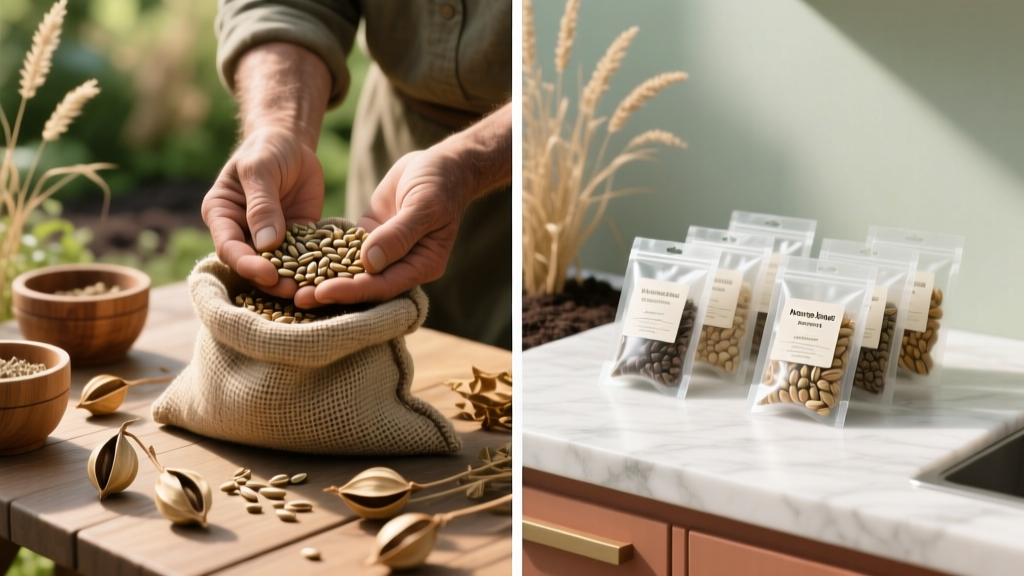
Seed Saving vs Buying New Seeds Each Year
The sneaky mistake that wastes the most garden money isn’t buying too many seeds—it’s saving the wrong seeds. If you’ve ever saved seeds from a gorgeous heirloom tomato and ended up with bland fruit (or weirdly shaped plants), you’ve met the two big culprits: hybrid genetics and accidental cross-pollination.
Buying fresh packets every spring is easy. Saving seeds is satisfying, budget-friendly, and can make your garden tougher over time. The real shortcut is knowing when saving is worth it, and when you’re better off spending $3 on a new packet and moving on.
Start With the Quick Decision: Save These, Buy Those
Tip: Save “open-pollinated” and “self-pollinating” crops first
Open-pollinated varieties (often labeled OP) are the easiest to save because they tend to come true-to-type if kept from crossing. Self-pollinating crops stack the odds in your favor because they usually pollinate themselves before insects can mix things up. Great beginner wins: beans, peas, lettuce, tomatoes, and peppers (peppers can cross, but are manageable with spacing).
Example: Saving ‘Black Seeded Simpson’ lettuce seed usually gives you the same loose-leaf lettuce next year, while saving from a hybrid lettuce mix can produce a grab bag of leaf shapes and textures.
Tip: Buy hybrids when you need consistency or disease packages
Hybrid (F1) seeds are bred for uniformity, vigor, and often disease resistance—traits that can be a lifesaver in tough seasons. Saving F1 seed rarely reproduces the same plant; the next generation (F2) can vary wildly. If you rely on a tomato with specific resistances (like fusarium or verticillium) or a sweet corn with uniform ears, buying fresh is the shortcut that saves headaches.
Example: If late blight hits your area, an F1 tomato with targeted resistance can outperform saved seed from last year’s “great tasting but fragile” heirloom.
Tip: Use this “seed value” rule to decide in 30 seconds
Ask: “Is this seed expensive, rare, or hard to find?” If yes, saving is usually worth it. For common crops where a packet costs $2.50–$4.50, buying new can be cheaper than the time, space, and isolation effort needed to keep seed pure.
Real-world number: A single $3 packet of basil can contain 200+ seeds. Saving basil is easy, but financially it won’t move the needle unless you’re growing lots of varieties or want your own adapted strain.
| Crop | Beginner-friendly to save? | Cross-pollination risk | Typical isolation “hack” | When buying new is smarter |
|---|---|---|---|---|
| Beans/Peas | Yes | Low | Save from the healthiest row; dry pods fully | Rarely—only if you want a specific new variety |
| Tomatoes | Yes | Low–medium | Ferment seeds 2–3 days to remove gel | If you grew an F1 hybrid |
| Lettuce | Yes | Medium | Grow one variety at a time or bag flowers | If you can’t let plants bolt (space/time) |
| Squash (C. pepo) | No (not first) | High | Hand-pollinate + tape blossoms shut | Most home gardens unless you isolate properly |
| Corn | No | Very high | Distance + timing + large population size | Almost always (small gardens) |
Buying New Seeds Each Year: Smart Shortcuts (Not Cheating)
Tip: Use “fresh seed” strategically for slow or picky germinators
Some seeds naturally lose viability faster than others—onions, leeks, and parsnips are famous for disappointing germination when old. When a crop is time-sensitive (like onions you need started indoors) buying fresh avoids empty trays and a lost month. A $4 packet is cheaper than the cost of wasted potting mix, lights, and your time.
Example: If parsnip seed is more than 1 year old, many gardeners see spotty stands; buying fresh can turn a thin 30% stand into a dense row worth weeding.
Tip: Pay for seed priming or pelleting when it saves labor
Pelleted lettuce, carrot, and onion seeds can make sowing faster and more accurate, especially in small beds where spacing matters. If you’re paying for a community garden plot or have limited time, precision sowing is a hidden cost-saver because you thin less. Pelleted seed costs more up front, but it can reduce thinning time by 20–30 minutes per bed.
DIY alternative: Make your own “seed tape” with toilet paper and a flour-water paste (about 1 tablespoon flour to 2 tablespoons water) and place seeds every 1–2 inches for crops like carrots.
Tip: Buy disease-free seed for seed-borne problems
Some diseases can hitch a ride on or in the seed itself (especially in certain vegetables). Reputable seed companies test or source carefully, which is a bigger deal than people think when you’ve had outbreaks. If you’ve battled bacterial spot on peppers or certain tomato issues, buying fresh from a trusted supplier can be a reset button.
Reference: Cornell University’s Vegetable MD Online notes that some bacterial pathogens can be seed-borne and management includes using clean seed sources (Cornell University, 2020).
Seed Saving That Actually Works: Proven Techniques (Without Turning It Into a Science Project)
Tip: Only save from your best plants—then go one step pickier
Seed saving isn’t just “free seeds,” it’s DIY plant breeding. Save from plants that performed well under your conditions: heat waves, your soil, your watering habits, your pest pressure. Then refine: choose fruits that ripened earliest, stayed disease-free longest, or tasted best.
Example: If you grew 12 tomato plants, tag the top 2 performers mid-season with ribbon. Save seed only from those, not the “last ones standing” that limped through.
Tip: For tomatoes, ferment seeds 48–72 hours for cleaner storage
Tomato seeds are coated in a gel that can inhibit germination and harbor pathogens. Scoop seeds into a jar with a splash of water, cover loosely, and let them ferment at room temp for 2–3 days until a light mold layer forms. Rinse well in a sieve, then dry on a coffee filter for 7–10 days until they snap instead of bend.
Real-world scenario: A gardener saving ‘Brandywine’ seeds without fermentation sometimes gets clumpy, stuck-together seed that molds in the envelope. Fermentation solves that with almost no extra work.
Tip: For beans and peas, the secret is “crispy dry” before storage
Let pods dry on the plant as long as weather allows; you want them rattly and brittle. If rain threatens, pull whole plants and hang them upside down in a garage for 1–2 weeks. Once shelled, test dryness by biting a seed—if it dents instead of shattering, keep drying.
Example: Saving ‘Provider’ bush beans: harvest when 80% of pods are dry; finish drying indoors, then store. You’ll avoid the most common problem: moldy seeds that look fine until they fail to sprout.
Tip: Prevent crosses with spacing that’s realistic for home gardens
You don’t need a farm-sized isolation distance for every crop, but you do need a plan. Tomatoes usually self-pollinate, so saving one variety in a backyard is often fine; peppers and squash cross more easily. A practical hack is to grow one variety per species you plan to save (one pepper variety, one squash variety) or use physical barriers.
Real-world number: For peppers, even 30–50 feet of separation plus a tall crop barrier (corn, sunflowers) reduces crossing noticeably in many home gardens—though it’s not a guarantee.
Tip: Hand-pollinate squash if you want true seed without huge distances
If you want to save zucchini or pumpkins (especially Cucurbita pepo types), hand pollination is the cleanest shortcut. The evening before flowers open, tape shut a female flower (tiny fruit behind it) and a male flower. In the morning, rub the male anther onto the female stigma, re-tape the female shut, and mark the fruit with a ribbon so you don’t eat it.
Example: One hand-pollinated zucchini fruit can produce 100–300 seeds—enough for years of planting and sharing.
“Seeds are living organisms. Their longevity depends heavily on keeping them dry and cool—small improvements in storage conditions can make a big difference in viability.” — Oregon State University Extension (2019)
Storage Hacks: Make Saved Seeds Last (And Keep Bought Seeds Viable, Too)
Tip: Aim for cool + dry; a jar and silica beats fancy gadgets
The two big enemies are moisture and heat. Store seeds in airtight jars with a small desiccant pack (silica gel) or DIY dried rice in a paper packet. Keep the jar in a consistently cool place—many gardeners use a basement shelf or refrigerator door.
Concrete target: If you can keep seeds around 40–50°F and dry, you can often extend viability by years compared to a humid garage.
Tip: Label like you’ll forget (because you will)
Write crop, variety, year saved, and any notes (“best flavor,” “drought champ,” “from earliest fruit”). Use painter’s tape on jars and a Sharpie on envelopes. Add one more detail that matters: where it came from (Bed 2, Plant #5) if you’re selecting for traits.
Example: “Tomato: Sungold F1, 2025” is a warning label to yourself: don’t expect the same result next year if you saved it.
Tip: Do a germination test before you gamble your season
Eight weeks before planting time, test older seeds. Put 10 seeds on a damp paper towel in a zip bag, keep warm, and count sprouts. If 7/10 sprout, you’ve got ~70% germination—sow thicker or buy fresh.
Real-world number: For tight spacing crops like carrots, anything under 60% germination is usually not worth the frustration unless seed is rare.
Reference: University of Minnesota Extension provides home germination testing methods using a paper towel and counting sprouts to estimate viability (University of Minnesota Extension, 2021).
Money Math: When Seed Saving Wins (And When It’s a Trap)
Tip: Calculate “cost per plant,” not packet price
A $4 tomato packet with 25 seeds can be $0.16 per plant before thinning—cheap. But a hybrid cucumber packet at $5 for 10 seeds is $0.50 per plant, and saving might be tempting—until you factor in cross-pollination risk. Cost per plant helps you spot which crops are worth saving and which are best bought.
Example: If you only grow 6 basil plants, buying a packet every year is basically pennies. If you grow 200 onions from seed, buying fresh high-germination onion seed annually is often the better “insurance policy.”
Tip: Save seeds from the crops you always replant (and buy the “experiment” crops)
If you plant the same beans, lettuce, and tomatoes every year, those are your best seed-saving candidates because you’ll actually use the stash. Buy new seeds for the “try it once” experiments—purple carrots, novelty gourds, trendy hybrids—so you don’t become a seed hoarder with a drawer full of maybes.
Scenario: A small backyard gardener saves ‘Provider’ beans and ‘Genovese’ basil annually (reliable staples), but buys one new tomato variety each spring to keep things fun without risking the whole harvest.
Tip: Don’t ignore the hidden cost: garden space during seed maturity
Some crops demand extra time in the bed to mature seed—lettuce has to bolt, herbs need to flower, and biennials like carrots require overwintering. That bed space has value, especially in small gardens. If leaving a plant to seed means losing a month of summer production, buying a $3 packet may be the smarter “high-yield” move.
Example: Letting one lettuce plant go to seed can take 3–6 additional weeks while it flowers and sets seed—weeks you could be harvesting another round of greens.
Three Real-World Scenarios (What I’d Do in Each)
Scenario 1: The balcony gardener with 6 containers
Space is precious, so prioritize crops that save easily without needing isolation or long seed maturity. Save beans (if you grow them), basil, and cherry tomatoes (especially OP varieties). Buy new carrot, onion, and any squash seeds—containers make isolation tough and you’ll want dependable germination.
Shortcut move: Save one “hero” variety each season and buy everything else. It keeps seed saving fun instead of turning your balcony into a seed-production facility.
Scenario 2: The suburban raised-bed gardener who loves variety
If you grow multiple pepper and squash varieties close together, assume crossing unless you isolate. Save tomato and bean seeds confidently; be cautious with peppers, and only save squash if you hand-pollinate. Buy new seeds for anything you mix heavily in the same bed (like multiple brassicas flowering at once) unless you’re okay with surprises.
Cost example: Spending $12–$20 a year on fresh pepper and squash seed is often cheaper than growing out accidental crosses that don’t taste right.
Scenario 3: The larger yard gardener aiming for self-reliance
Lean into seed saving as a long-term project: choose 1–2 open-pollinated varieties per crop and keep them pure. Set aside a small “seed row” where plants can mature fully, and keep notes on performance. Over a few seasons, you’ll quietly build strains that handle your microclimate better than anything you can buy.
Example: If your summers are getting hotter, save seed from the lettuce plants that resisted bitterness the longest; within 3–4 years, you may notice a real shift in resilience.
DIY Tools and Low-Tech Tricks That Make Seed Saving Easier
Tip: Make cheap seed screens from colanders and hardware cloth
Cleaning seed is half the battle. For dry seeds (like herbs and flowers), a $3 thrift-store colander and a small square of hardware cloth can separate chaff fast. Shake gently over a tray; use a fan on low to blow away lighter debris (“winnowing”) while seeds drop straight down.
Example: Saving calendula: crush dry seed heads in a bowl, pour between two containers in front of a light breeze, and you’ll get clean seed in minutes.
Tip: Use paper plates and coffee filters for drying (they breathe)
Plastic traps moisture; paper helps seeds dry evenly. Spread seeds in a single layer on a labeled paper plate or coffee filter, out of direct sun. Stir once a day for the first 3 days so nothing clumps and molds.
DIY alternative: No coffee filters? Brown paper bags cut open work great and cost basically nothing.
Tip: Store small amounts in coin envelopes, then “file” them like photos
Seed packets get lost in drawers, but envelopes filed upright in a photo box stay organized. Sort by planting month (March, April, May) or by crop family. This makes both buying and saving easier because you can see gaps instantly.
One Last Reality Check Before You Commit to Saving Everything
Tip: Give yourself permission to buy seeds for joy
Seed saving is empowering, but it’s not a moral test. If a new variety makes you excited to garden, that’s worth a few bucks. Save the reliable staples, buy the fun experiments, and you’ll get the best of both worlds without turning spring planting into a spreadsheet exercise.
The sweet spot most gardeners land on is simple: save what stays true and stores well (beans, tomatoes, lettuce), buy what needs consistency or special breeding (many hybrids, corn, complex squash setups), and use quick tests—10-seed germination checks, a jar with silica, and a little labeling discipline—to keep your seed stash working for you instead of mocking you from a drawer.