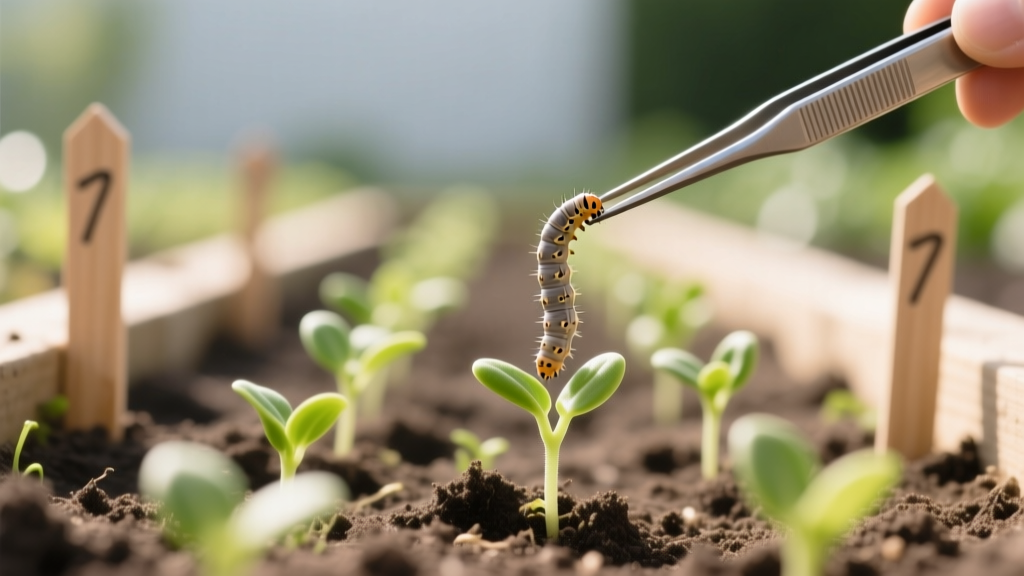
The Simple Way to Protect Seedlings from Cutworms
The most annoying part about cutworms is how “mysterious” they seem—until you realize the classic mistake: gardeners keep hunting for leaf holes and caterpillars up top, while the real damage happens at soil level overnight. One morning your tomato seedling is fine, the next it’s clipped like someone took scissors to it, and the culprit is curled up in the dirt an inch away.
Cutworms aren’t rare, and they’re not picky. They’re the larvae of several moth species, and many feed at night, hiding in soil or under debris by day. The good news: you don’t need fancy sprays or complicated routines. You need a simple physical barrier and a few “stacked” habits that make your bed a bad place for cutworms to work.
The core move: stop the “neck bite” at the soil line
If you only do one thing, do this. Cutworms usually kill seedlings by chewing through the stem right at the soil surface. Protect that 1-inch zone and you’ll prevent most losses.
Tip: Install a collar that extends below the soil
Headline: Make a 2-inch-tall stem collar and bury 1 inch of it.
Cutworms can’t easily chew through firm barriers, and they don’t like climbing a smooth wall to reach a stem. Use a 2–3 inch tall collar (cardboard, plastic cup, aluminum can with both ends removed), then push it 1 inch into the soil so the worm can’t sneak underneath. Leave about 1–2 inches above ground to block the “neck bite.”
Example: When transplanting peppers, slip a bottomless paper cup around each plant and press it into the soil; it takes about 20 seconds per seedling and prevents the classic overnight clip.
Tip: Use DIY cardboard strips for fast mass-protection
Headline: Wrap stems with 1-inch-wide cardboard “belts” if you’re planting a lot.
For big rows, collars can feel slow—so use belts. Cut cereal-box cardboard into 1-inch wide strips, wrap around the seedling stem leaving a little breathing room, and secure with a tiny piece of tape. Push soil gently around the base so the belt sits right at ground level (not floating above it).
Example: A 50-foot row of direct-sown brassicas can be protected in under 30 minutes with pre-cut strips in a bucket.
Tip: Choose collar material based on weather and watering
Headline: Paper for short-term, plastic for wet beds, metal for slug-heavy spots.
Cardboard works great for 2–4 weeks, then softens (which is fine if seedlings are past the tender stage). In very rainy stretches or heavy overhead irrigation, plastic cups or cut nursery pots hold up better. If slugs are also a problem, a sharp-edged aluminum collar is less inviting than damp cardboard.
Example: In a frequently watered salad bed, plastic collars stay rigid long enough for lettuce stems to toughen up.
Make the bed hostile: remove hiding spots and bait the culprits
Collars prevent damage, but you can also shrink the local cutworm population fast. Cutworms hide during the day in the top couple inches of soil, under clods, boards, mulch clumps, or weeds.
Tip: Do a “two-week cleanup window” before planting
Headline: Clear weeds and plant residue 10–14 days before you set seedlings out.
Cutworms love weedy edges and old plant matter; cleaning up ahead of time removes shelter and food. Aim for a 10–14 day gap between cleanup and transplanting so you’re not setting tender stems into freshly disturbed pest habitat. This timing is commonly recommended as a cultural tactic to reduce cutworm pressure.
Example: If you plan to transplant tomatoes on May 15, pull weeds and rake debris by May 1–5, then keep the bed clean until planting day.
Tip: Hand-search at dusk with a “1-inch rule”
Headline: Scratch the top 1–2 inches of soil around clipped plants to find the worm.
If a seedling is cut, the cutworm is often nearby—usually within a few inches, curled into a C-shape under loose soil. Go out at dusk or early night with a flashlight and gently scrape the top 1–2 inches around the base and within a 4–6 inch radius. Remove any worms you find (drop into soapy water).
Example: In a small raised bed, this “rescue sweep” can stop a bad night from turning into a week of replanting.
Tip: Set cheap “hide traps” and check them daily
Headline: Lay boards or damp burlap as daytime shelters—then flip and collect.
Cutworms hide under cover in daylight. Place a few 12" x 12" boards, shingles, or folded damp burlap along bed edges and near transplants; check each morning and collect any curled larvae underneath. It’s low-tech, but surprisingly effective when done for 5–7 days in a row.
Example: In an in-ground garden beside lawn, two boards along the border often reveal the culprits migrating in from grassy areas.
Smart timing: avoid planting into peak cutworm activity
Cutworm pressure isn’t equal all season. You can dodge the worst of it by syncing planting and protection with their habits.
Tip: Protect seedlings for the first 2–3 weeks—then relax
Headline: The danger window is short; collars don’t need to live there forever.
Most clipping happens when stems are thin and tender. After about 14–21 days in good growing conditions, seedlings develop thicker stems and can outgrow the “one bite kills it” stage. Keep collars on until stems look woody enough that a light squeeze doesn’t flatten them.
Example: A zucchini transplant is highly vulnerable week 1, moderately vulnerable week 2, and often safe by week 3 if growing fast.
Tip: Don’t mulch right up to fresh transplants on day one
Headline: Leave a 2-inch bare-soil donut around stems for 7–10 days.
Mulch is great, but it creates cool, damp hiding spots—exactly what cutworms like. Keep a 2-inch mulch-free ring around each transplant for the first week or so, then tuck mulch closer once stems are sturdier and you’re past the highest risk window. This small adjustment keeps moisture benefits without giving cutworms a cozy tunnel.
Example: In a straw-mulched tomato bed, leaving bare soil at the stem makes it much easier to spot chewing and find larvae.
Biological controls that actually pay off (without guessing)
If you’re seeing repeat damage year after year, collars plus habitat cleanup is usually enough. But when pressure is high (especially near lawn, pasture, or weedy borders), targeted biological treatments can be worth the money.
Tip: Use Bt only when it matches the pest and timing
Headline: Bt works best when larvae are small and actively feeding—apply at dusk.
Bacillus thuringiensis (Bt) products are most effective on young caterpillars and must be eaten to work. Apply in the evening so it stays active longer (less UV degradation), and focus on the soil surface and lower stems where cutworms feed. If your cutworms are already large and hiding deep, Bt results can be disappointing.
Example: After direct-sowing beets, a dusk Bt spray across the row can reduce early nibbling when you spot small larvae during night checks.
Tip: Consider beneficial nematodes for stubborn beds
Headline: Apply nematodes when soil is 55–85°F and keep it moist for 7 days.
Beneficial nematodes (often Steinernema spp.) can attack soil-dwelling larvae. They work best when soil is moist and temperatures are roughly 55–85°F, and you need to keep the area damp (not flooded) for about a week so they can move through soil pores. This is a “system fix” that helps when cutworms are chronic.
Example: If the same raised bed loses seedlings every spring, one nematode application in early season plus collars can break the cycle.
Tip: Save money by treating only the danger zone
Headline: Target a 12-inch band around the bed edges instead of blanket-treating everything.
Cutworms often migrate in from grassy borders and weedy edges. If you’re using nematodes or other soil treatments, applying a 12-inch perimeter band can be a cost-saver while still hitting the highest-traffic zone. Combine with a clean border (trim grass short) for the best effect.
“Cutworms are most damaging to young plants because larvae cut stems at or near the soil line, often at night. Protective collars around transplants can prevent injury.”
— Extension-based IPM guidance (e.g., University extension recommendations; see citations below)
Quick comparisons: pick your protection method in 30 seconds
Not every garden needs the same approach. Here’s a practical side-by-side to choose what fits your situation (and budget) fastest.
| Method | Best for | Time per plant | Typical cost | Reliability |
|---|---|---|---|---|
| Cardboard collar (2–3" tall, 1" buried) | Most home gardens, short danger window | 15–30 seconds | $0 if recycled boxes | High (2–4 weeks) |
| Plastic cup / nursery pot collar | Wet beds, heavy watering, longer protection | 20–40 seconds | $0–$0.25 each (reused) | Very high |
| Hand-picking + dusk scouting | Small beds, quick knockdown after damage | 5–10 minutes per bed | $0 | Medium–High (depends on consistency) |
| Beneficial nematodes | Recurring infestations, large areas | 30–60 minutes per application | Often $20–$50 per treatment (varies by area) | Medium (conditions must be right) |
| Perimeter cleanup + border trimming | Gardens next to lawn/pasture | 20 minutes weekly | $0 | High when combined with collars |
Real-world scenarios (and what actually works)
These are the situations where gardeners usually get blindsided. Match your setup to the scenario, copy the fix, and you’ll skip a lot of frustration.
Scenario 1: The raised bed next to a lawn edge
What happens: You transplant starts into a gorgeous raised bed, but cutworms march in from the grass and clip plants along the border first.
Do this: Put collars on every transplant, then add a 12-inch “no-cover strip” along the lawn side: trim grass short, pull weeds, remove clippings, and place two board traps there for a week. If you want an extra layer, treat only that perimeter band with beneficial nematodes when soil is in the 55–85°F range.
Scenario 2: Direct-sown rows (carrots, beets, greens) getting thinned overnight
What happens: You don’t see clean “clips” like transplants—just missing sprouts and random gaps, especially after a warm spell.
Do this: Lay a lightweight row cover immediately after sowing and keep the soil surface tidy (no thick mulch until seedlings are established). If you catch small larvae during a night flashlight check, a dusk Bt application aimed at the row can help—just remember Bt must be eaten, so it’s not a magic shield.
Scenario 3: A mulch-heavy garden that stays cool and damp
What happens: Your soil stays beautifully moist… and so do the pests. Cutworms and slugs both enjoy the cover, and you lose seedlings without ever seeing the attacker.
Do this: Transplant into a 2-inch mulch-free donut around each stem for 7–10 days, use rigid collars (plastic or metal), and keep board traps near the worst spots. Once plants toughen up (about 2–3 weeks), pull mulch back in gradually.
Extra-insider tricks that stack the odds in your favor
These aren’t complicated, but they’re the little details that make the simple method feel bulletproof.
Tip: Make collars wide enough to prevent bridging
Headline: Use at least a 1.5-inch diameter collar for most transplants.
If the collar hugs the stem too tightly, soil or mulch can “bridge” the gap and give cutworms a ramp. A collar opening around 1.5–2 inches across gives you room to water and prevents debris from touching the stem. Think of it as keeping a tiny moat around the plant.
Example: For tomatoes, a cut-down plastic cup creates a roomy cylinder that stays stable even after watering.
Tip: Water in a way that doesn’t collapse your barrier
Headline: Water outside the collar edge so soil doesn’t cave in.
If you blast water right at the stem, you can erode soil and create gaps under collars. Water in a ring around the collar’s outer edge, letting moisture soak inward. This keeps the collar firmly seated and the soil surface less disturbed.
Tip: Replace losses with slightly older transplants
Headline: If you must replant, go up one size (from 4-week to 6-week starts).
A thicker stem is naturally more cutworm-resistant, so replanting with a slightly older transplant reduces repeat losses. If your first round was 3–4 weeks old, replant with 5–6 week starts and collar them anyway for the first 10–14 days. It’s a sneaky way to “outgrow” the problem quickly.
Example: After losing cucumber seedlings, replant with sturdier starts and add collars—most gardeners see the second round survive even in the same bed.
Tip: Keep a “collar kit” so you don’t skip protection
Headline: Pre-cut 20–30 collars at once and store them in a bucket near your tools.
Cutworm protection fails most often because it’s forgotten during planting rush. Batch-prep collars (cardboard strips, cups, or cut pots) and keep them where you transplant. If it takes zero extra planning, you’ll actually do it every time.
Sources you can trust (and why this approach is so widely recommended)
Physical stem barriers and cultural cleanup aren’t “old wives’ tales”—they’re standard integrated pest management (IPM) recommendations because they directly block the injury site and reduce habitat. University extension resources repeatedly point to collars as a reliable method for preventing cutworm clipping on transplants.
Citations: Recommendations for cutworm management, including protective collars and habitat reduction, are widely documented by extension services such as the University of Minnesota Extension (2019) and Penn State Extension (2020) in their cutworm/IPM guidance for home gardens and vegetable crops.
One of the best parts of the simple method is the cost-to-result ratio. A $0 recycled-cardboard collar prevents the exact kind of damage that triggers expensive fixes: buying replacement starts, losing planting time, and shortening your harvest window.
If you want the shortest path to “never again,” do it like this: prep collars first, clean the bed edge 10–14 days ahead, transplant, keep a 2-inch mulch-free ring for a week, and do one dusk check if you see any clipping. It’s not fancy—but it works, and it’s the kind of dependable trick you’ll keep using because it saves plants immediately.