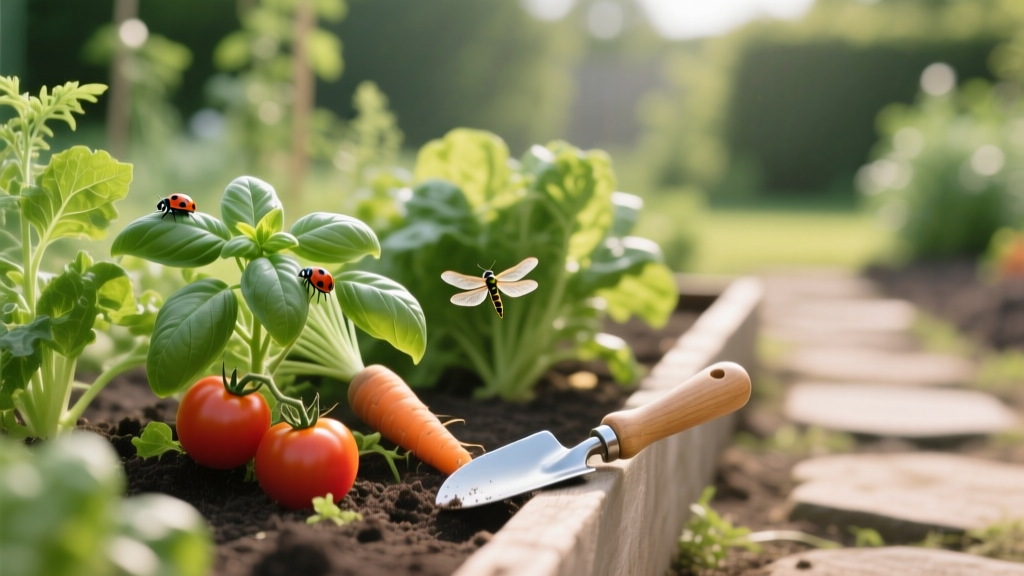
Organic Pest Control: Tips and Tricks
Most “organic pest problems” aren’t caused by a lack of sprays—they’re caused by spraying at the wrong time (or spraying the wrong thing). A classic mistake: blasting aphids with soap at noon, scorching leaves, and wiping out the lady beetle larvae that were about to solve the problem for free. Organic pest control works best when you treat the pest’s weak point (life stage, hiding spot, feeding window) instead of treating your garden like it’s on a monthly subscription plan.
Below are the shortcuts and field-tested tricks I use (and see extension folks recommend) to get results without turning your beds into a chemistry experiment.
Start With Prevention That Actually Prevents
Tip: “Quarantine” New Plants for 7 Days
Most infestations hitchhike in on new starts: mites on tomatoes, aphids on herbs, scale on houseplant refugees you “temporarily” put outside. Keep new plants isolated for 7 days and inspect the undersides of leaves every other day; you’ll catch problems before they spread. If you spot pests, treat in a small, controlled area instead of chasing them through the whole yard.
Example: A tray of pepper starts shows stippling (mite damage). Treat just that tray with a firm water spray + insecticidal soap, and you’ve avoided a summer-long mite war across every pepper and eggplant.
Tip: Use Row Cover Like a “Bouncer,” Not a Blanket
Lightweight insect netting/row cover works best when it’s installed before pests arrive and sealed along the edges—think tucked and weighted, not loosely draped. Use it during peak egg-laying windows (often 3–6 weeks in spring) and remove it when crops need pollination. For small beds, even clipped-on tulle can work as a DIY alternative.
Specifics: Bury edges 2–3 inches or pin every 12 inches with garden staples to block cabbage moths and squash vine borer entry.
Tip: Plant Pest “Speed Bumps” at the Right Distance
Companion planting isn’t magic, but it can slow pests down when you use it like a barrier. Put strongly scented herbs (basil, dill, cilantro) in a band 12–18 inches from susceptible crops rather than one token plant somewhere nearby. The goal is to break up the target scent trail and create habitat for beneficials.
Example: A 2-foot-wide strip of dill and alyssum alongside brassicas often increases hoverfly activity (aphid predators) more reliably than a single “companion” plant tossed in the corner.
Scout Smarter (So You Spray Less)
Tip: Do a 60-Second “Underside Sweep” Twice a Week
Most pests don’t hang out where you casually glance. Twice a week, flip over 10 leaves across the plant (especially lower and inner leaves), and check for eggs, larvae, and sticky honeydew. Catching an outbreak at “first cluster” stage saves you from needing repeated treatments.
Example: One cluster of cabbage worm eggs can become dozens of leaf-chewing caterpillars in days—hand-removing eggs early beats spraying later.
Tip: Sticky Cards Are for Trends, Not “Kills”
Yellow sticky cards are great for detecting fungus gnats, whiteflies, and leafhopper activity—but don’t expect them to solve a heavy infestation alone. Place them just above the canopy and check weekly to see if populations are rising or falling. They’re a cheap early-warning system: a pack is often $8–$15 and lasts a season in most home gardens.
Example: If sticky cards suddenly load up with adult whiteflies, you can start leaf washing and targeted soap sprays before the nymphs explode.
Mechanical Controls: The Fastest Wins (and Usually Free)
Tip: The “Morning Knockdown” for Beetles and Stink Bugs
Many pests are sluggish in the cool morning. Go out early with a wide-mouth jar of soapy water (about 1 teaspoon castile soap per quart) and flick cucumber beetles, Japanese beetles, or stink bugs straight in. You’ll remove breeding adults before they lay eggs, and you’re not spraying anything that could hit pollinators later in the day.
Scenario: A gardener with 6 zucchini plants drops 30+ cucumber beetles into soapy water over three mornings—damage slows dramatically without touching a spray bottle.
Tip: Blast Aphids With Water—But Aim Like You Mean It
Aphids are soft-bodied and easy to dislodge, but a timid mist won’t do it. Use a firm spray from the hose, targeting stems and the undersides of leaves; repeat every 2–3 days for a week. This works especially well before you escalate to soap, and it’s essentially free.
Example: Roses or kale with curling leaves often bounce back after three strong rinse sessions—then lady beetles and lacewings mop up the rest.
Tip: Prune the “Pest Nurseries” Instead of Treating the Whole Plant
If one branch is coated in scale, aphids, or webbing mites, remove it and trash it (don’t compost if it’s crawling). This is the shortcut most gardeners skip because it feels drastic—but it’s often the cleanest organic move. Disinfect pruners with 70% isopropyl alcohol between cuts when you’re dealing with heavy infestations.
Scenario: A backyard lemon with scale only on two interior branches recovers quickly after removal + follow-up horticultural oil on remaining hotspots.
DIY Sprays That Work (When Mixed and Timed Correctly)
Tip: Use Insecticidal Soap at the Real Working Strength
Insecticidal soap works by disrupting soft-bodied pests, but it must contact them directly and it needs proper concentration. A common home mix is 1–2% soap solution (about 2.5–5 tablespoons of pure liquid castile soap per gallon of water), sprayed to wet the insect—not just the leaf. Apply in the evening to reduce leaf burn and to avoid hitting daytime pollinators.
Example: For aphids on peppers, soap spray at dusk + a rinse the next morning can knock them back without leaving plants stressed in heat.
Tip: Neem Isn’t a “Rescue Spray”—Use It Like a Schedule
Neem (azadirachtin products) works best as a growth regulator and feeding deterrent, not as instant knockdown. Apply at 7-day intervals during an active outbreak, targeting young larvae/nymph stages. Avoid spraying open flowers, and don’t use it in high heat (many labels recommend below about 85°F) to reduce plant stress and protect beneficials.
Citation: University of California Agriculture and Natural Resources notes neem’s strongest value is against immature stages and emphasizes correct timing and coverage (UC ANR, 2019).
Tip: Horticultural Oil Is the Scale and Mite “Off Switch”
Horticultural oil works by smothering pests (scale crawlers, mites, some eggs), and it’s one of the most underrated organic tools. Mix per label (commonly around 1–2%) and spray to thorough coverage, especially on stems and leaf undersides. Apply in the cool part of day and never on drought-stressed plants.
Scenario: A gardener battling spider mites on beans uses oil in the evening, repeats in 5–7 days, and combines it with leaf rinsing—mite pressure drops without resorting to harsher products.
“Most organic sprays fail because they don’t hit the pest. Coverage—especially on leaf undersides—matters as much as product choice.” — Extension guidance summarized from multiple IPM recommendations (e.g., UC IPM, 2019; Cornell Cooperative Extension resources)
Biological Controls: Put Predators to Work
Tip: Feed Beneficials with “Micro-Flowers”
Many beneficial insects need tiny flowers (shallow nectar) to stick around. Plant alyssum, dill, cilantro, and yarrow near problem crops; even a 2 x 4 ft patch can noticeably increase hoverflies and parasitic wasps. The trick is continuity—stagger plantings every 3–4 weeks so something is always blooming.
Example: A row of alyssum along lettuce beds often reduces aphid flare-ups by keeping hoverflies present before aphids peak.
Tip: Use Bt Only for Caterpillars—and Only When They’re Small
Bacillus thuringiensis var. kurstaki (Bt-k) is specific to caterpillars, so it won’t help with beetles, aphids, or stink bugs. Spray at dusk when caterpillars are actively feeding, and hit young larvae—big caterpillars require more time and more product. Reapply after rain and follow label intervals (often 5–7 days).
Citation: Bt recommendations for early-instar caterpillars and timing are consistent across extension guidance, including University of Minnesota Extension IPM resources (2020).
Tip: Don’t Buy Ladybugs for Aphids—Fix the Habitat Instead
Purchased ladybugs often fly away because they’re collected while overwintering and released into a buffet with no “home base.” Spend that money on habitat: a $4 packet of alyssum seed or letting dill bolt is usually a better long-term deal. If you do release beneficials, do it at dusk, lightly mist plants first, and release near existing aphid colonies.
Cost hack: Instead of a $12–$20 bag of ladybugs, buy a small flowering plant (or sow a strip) that supports multiple predator species all season.
Target the Pest You Actually Have (Quick Method Matchups)
| Pest Problem | Fastest Organic Fix | Best Follow-Up | What to Avoid |
|---|---|---|---|
| Aphids on tender growth | Firm water spray every 2–3 days | Insecticidal soap (1–2%) at dusk + add alyssum/dill nearby | Spraying flowers mid-day (burn + pollinator risk) |
| Cabbage worms on brassicas | Hand-pick + crush eggs | Bt-k at dusk, repeat 5–7 days; use row cover early | Neem as “instant kill” (too slow for big larvae) |
| Spider mites in hot weather | Rinse leaf undersides thoroughly | Horticultural oil per label; improve airflow; avoid drought stress | Overusing soap in heat (can stress leaves) |
| Scale on citrus/ornamentals | Prune worst branches + wipe clusters | Horticultural oil to smother crawlers; repeat as needed | Ignoring stems (scale isn’t just on leaves) |
Three Real-World Scenarios (Exactly What to Do)
Scenario 1: Aphids on Kale Two Weeks Before Harvest
Step 1: Harvest the cleanest outer leaves first and rinse them—don’t wait for perfection. Step 2: Blast remaining plants with a firm hose spray, focusing on the newest growth where aphids cluster. Step 3: If they rebound, apply a 1–2% insecticidal soap spray at dusk, then rinse the next morning.
Why it works: You’re combining physical removal (fast) with a contact spray (targeted) and keeping residue minimal close to harvest.
Scenario 2: Cabbage Moths Hammering Broccoli
Step 1: Add row cover immediately and seal edges—moths can’t lay eggs if they can’t reach leaves. Step 2: Inspect twice weekly; if you find small green larvae, use Bt-k at dusk and reapply after rain or at 5–7 day intervals. Step 3: Keep a small patch of alyssum nearby to support beneficials once you remove the cover for airflow or harvesting.
Money saver: A single roll of insect netting can cover multiple seasons; compared to repeated sprays, it often pays for itself in year one.
Scenario 3: Spider Mites on Tomatoes During a Heat Wave
Step 1: Confirm mites by tapping a leaf over white paper; you’ll see tiny moving specks. Step 2: Rinse undersides in the morning to reduce dust and mites, then repeat in 48 hours. Step 3: Apply horticultural oil in the evening per label, and don’t let plants go drought-stressed (stressed plants are mite magnets).
Shortcut: Remove the worst 10–20% of infested leaves to immediately cut the mite population before you spray.
Timing Tricks: When You Apply Matters More Than What You Apply
Tip: Spray at Dusk, Not Midday
Many organic products (soap, oils, neem) can cause leaf burn when applied in hot sun, and dusk timing also reduces direct contact with active pollinators. Aim for that window when light is low and temps are falling, then let the spray dry overnight. If you must spray during the day, pick an overcast day and spot-treat only.
Specifics: If the forecast is above 85°F, delay oils/neem and focus on physical removal until temperatures ease.
Tip: Repeat Treatments Based on Life Cycles, Not Feelings
Many pests hatch in waves, so a single spray is rarely the end. Plan a follow-up at 5–7 days for caterpillars (Bt) or 7 days for neem programs, and re-check leaves in between. Consistency beats intensity—two lighter, well-timed treatments usually outperform one heavy “hail Mary.”
Example: Whitefly nymphs survive a sloppy first pass; a second pass timed a week later catches the next stage before they mature.
Kitchen-Cabinet Fixes (Use With Care)
Tip: Make a Cheap Soapy Dunk for Hand-Picking Sessions
You don’t need fancy gear to remove pests—just a jar or bucket. Mix 1 teaspoon liquid soap per 1 quart water and drop in beetles, caterpillars, and stink bugs as you find them. It’s a simple way to turn a frustrating scouting walk into real population control.
Cost: Pennies per batch, and it saves your purchased sprays for problems that truly need them.
Tip: Diatomaceous Earth Works—But Only When It’s Dry
Diatomaceous earth (DE) can reduce soft-bodied crawlers like slugs and some beetles by abrasion, but it stops working once wet. Apply a thin ring around plants after watering and refresh after rain. Wear a dust mask during application; the fine particles are irritating to breathe even though it’s “natural.”
Example: A dry DE barrier around young lettuce can buy you time during a slug outbreak until you set traps or improve habitat.
Make It Cheaper: Spend Money Where It Actually Pays Off
Tip: Buy One Good Sprayer and Keep It Clean
A dedicated 1–2 gallon pump sprayer is one of the best investments because coverage is everything. Expect to spend around $15–$35, and rinse it after each use—clogged nozzles lead to poor coverage and “product didn’t work” frustration. Label it (soap/oil/neem) so you don’t accidentally mix residues.
Example: Switching from a tiny hand mister to a pump sprayer often cuts product use because you’re applying evenly instead of over-spraying the same spots.
Tip: Use Row Cover to Replace Repeated Sprays
If you’re spending money on weekly treatments for brassicas or squash, row cover is often the budget win. Even a $20–$40 piece can protect multiple plantings and reduces the need for Bt or neem applications. Think of it as paying once to prevent a problem instead of paying repeatedly to chase it.
Scenario: A gardener who struggled with flea beetles on arugula uses netting for the first month of growth—harvest improves, and spraying becomes rare.
Two Credible Rules to Keep You Out of Trouble
Tip: Don’t Spray What You Haven’t Identified
Aphids, thrips, mites, and leafhopper damage can look similar if you’re scanning from a distance. Use a $10 hand lens or your phone’s macro mode and confirm what you’re dealing with before you pick a tool. Correct ID saves money and prevents “spray stacking” that stresses plants and beneficial insects.
Tip: Read the Label Like It’s Part of the Recipe
Organic products still have rules: dilution rates, temperature limits, reapplication windows, and plant sensitivities. Oils + sulfur products, for example, can cause plant injury if used too close together—labels warn about these interactions for a reason. If you’re mixing DIY sprays, test on a few leaves and wait 24 hours before treating the whole plant.
Organic pest control gets dramatically easier once you think like a bouncer (keep pests out), a detective (catch problems early), and a sniper (hit the right stage with the right tool). Most seasons, your best “spray” ends up being a row cover edge pinned tight, a morning hand-pick with a soapy jar, and one well-timed dusk application when you truly need it.
Sources: University of California Agriculture and Natural Resources / UC IPM guidance on neem and application timing (2019); University of Minnesota Extension IPM recommendations for Bt use against caterpillars and timing (2020).