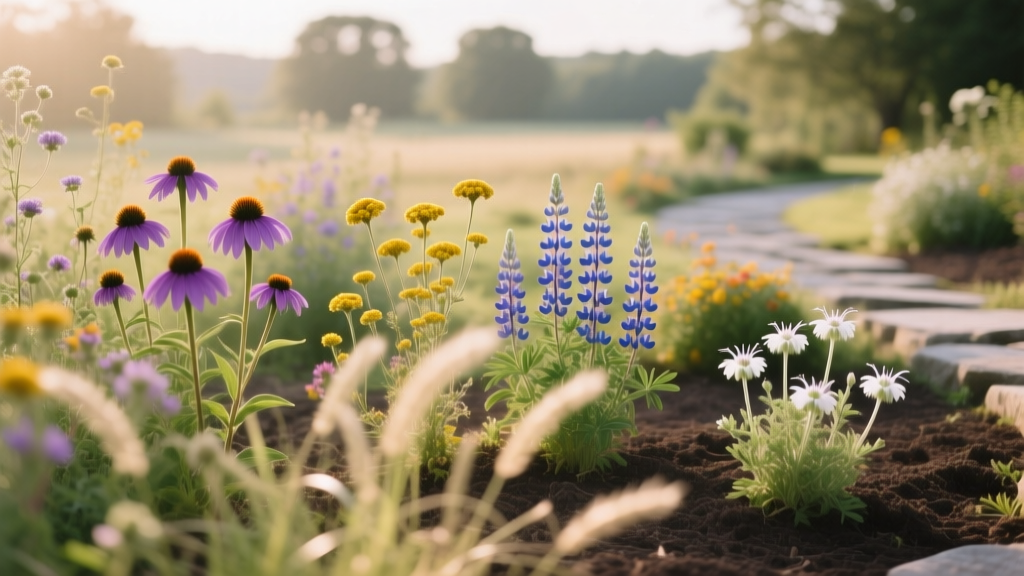
Encouraging Native Plants to Bloom Again
You planted natives for the pollinators, you watered faithfully the first year, and everything looked great—then year two (or three) rolls around and the flowers fizzle. The plant is alive, leafy, maybe even sprawling… but bloom count is disappointing, or you get one flush in spring and then nothing. I see this all the time in home landscapes: the plant isn’t “failing,” it’s responding to a few fixable cues—light, moisture timing, seed formation, and the way we tidy up.
Here’s the surprising part: with many native perennials, the difference between “one-and-done” and repeat bloom is often just two weeks of timing—when you cut back, when you water, and when you stop feeding. Natives aren’t needy, but they are specific. If you give them the signals they evolved with, they’ll usually pay you back with another round of flowers.
This guide focuses on practical steps you can use this season—no lab-coat gardening. I’ll cover watering, soil, light, feeding, and the most common bloom-blockers, plus real-life cases that show how small changes bring flowers back.
First, a quick reality check: not every native “reblooms” the same way
Some natives are true repeat bloomers (or can be coaxed into it), while others bloom once and shift energy into roots and seed. Your goal might be:
- True repeat bloom (more flowers later in the season): often possible with blanketflower (Gaillardia), coneflower (Echinacea), black-eyed Susan (Rudbeckia), coreopsis, penstemon, bee balm (Monarda) in some regions.
- A longer bloom window (stretch the first flush): often possible by deadheading, modest moisture, and preventing heat stress.
- Better bloom next year: sometimes the right move is to stop forcing and improve fall conditions for bud set, overwintering crowns, and root storage.
When you’re not sure which category your plant fits, observe: if it sets lots of seed quickly and then slows down, it may rebloom with deadheading. If it’s a spring ephemerals type (many woodland natives) it likely won’t rebloom no matter what—you focus on long-term vigor instead.
Light: the #1 reason natives stop flowering
If I could only check one thing, it’s sunlight. A native can look “healthy” in too much shade, but bloom is usually the first thing to disappear. A shift as small as an extra hour of shade from a growing tree can cut flowering dramatically.
Target light levels (realistic home-garden numbers)
- Full sun bloomers (coneflower, blanketflower, prairie grasses with flowers): aim for 6–8+ hours of direct sun.
- Part sun/part shade bloomers (some asters, columbine depending on region): 4–6 hours of sun, ideally morning sun.
- Woodland natives (many spring bloomers): dappled shade can be perfect, but don’t expect repeat bloom in summer.
Case 1: The “mystery shade” problem
A homeowner had purple coneflower that bloomed like fireworks in year one, then barely flowered by year three. Nothing else changed—except a nearby red maple put on growth. We moved half the clump to a spot with 7 hours of sun and thinned branches to restore morning light. The next season, the moved clump produced roughly 3× as many flower stems (and the original improved too). The plant wasn’t tired—it was shaded.
Watering: keep them growing, not swimming
Native plants handle drought better than most ornamentals once established, but “drought tolerant” doesn’t mean “repeat-bloom tolerant.” A second flush takes energy and steady growth. The trick is to water deeply, then let the soil breathe.
Deep-watering targets you can actually use
- For established natives in average soil: give 1 inch of water per week during active growth if rainfall is lacking.
- During extreme heat (sustained 90°F+ days): increase to 1.5 inches per week, split into two soakings.
- Soak so moisture reaches 6–8 inches deep for most perennials (check with a trowel).
These numbers align with common extension guidance for perennials and new plantings; for example, University of Minnesota Extension materials commonly reference around 1 inch/week as a baseline for garden plants, adjusting for heat and soil type (University of Minnesota Extension, 2022).
Watering schedule that supports rebloom
- Early season (spring to early summer): keep consistent moisture while plants build stems and buds.
- After first flush: water once deeply within 24–48 hours after deadheading or shearing (more on that below) to push fresh growth.
- Late summer: taper slightly—enough to prevent stress, not so much that you encourage weak, floppy growth.
Case 2: The “too much love” sprinkler issue
A mixed native bed was on a lawn sprinkler zone. It got frequent light water—10 minutes daily—which kept the soil surface wet and roots shallow. The plants grew lush but flopped, and flowers were sparse after the first wave. Fix: the gardener switched to a deep soak once every 5–7 days and added 1–2 inches of shredded leaf mulch. Within a month, stems were sturdier and late-season bloom improved, especially on coreopsis and rudbeckia.
Soil: fertility isn’t the goal—structure is
Many natives bloom best in soils that aren’t overly rich. When soil is high in available nitrogen, plants often “green up” at the expense of flowers. What you want is a soil that drains well, holds some moisture, and has air pockets for roots.
Quick soil check (10 minutes, no lab required)
- Drainage test: Dig a hole 12 inches deep, fill with water, let it drain, then refill. If it drains in 2–4 hours, you’re in a workable range for many prairie natives. If it’s still soggy at 8 hours, drainage is limiting bloom and crown health.
- Texture feel: If you can roll a wet ribbon longer than 2 inches between fingers, you likely have high clay—mulch and organic matter help, but avoid overwatering.
How to improve soil without overfeeding
- Add 1 inch of compost as a top-dress in spring (not tilled in), especially for depleted sandy beds.
- Use 1–2 inches of shredded leaves or fine bark as mulch, keeping mulch 2 inches away from crowns.
- Skip high-nitrogen amendments (fresh manure, heavy lawn fertilizer drift).
If you want real data on why nitrogen can suppress flowering, research on ornamentals and perennials consistently shows high nitrogen promotes vegetative growth and can reduce flowering density. Extension recommendations for native plantings often caution against excessive fertilization for this reason (Penn State Extension, 2023).
Feeding: when a “little fertilizer” becomes your bloom problem
I’m not anti-fertilizer—I’m anti-automatic fertilizer. Many native perennials perform best with minimal feeding. If they’ve stopped blooming, the answer is rarely “more food.” It’s usually “better light, smarter watering, and better timing.”
When feeding makes sense
- You have very sandy soil and plants are pale, small, and slow.
- A soil test shows low phosphorus and potassium (bloom and root support), not just nitrogen.
- The planting is young (year 1–2) and you’re trying to build size responsibly.
Simple, safe feeding approach
- Use a slow-release, balanced fertilizer like 5-5-5 at 1/2 the label rate once in spring, or skip fertilizer and top-dress compost.
- Stop nitrogen-heavy feeding after mid-June in cold-winter climates so plants harden off before frost.
- If you fertilize, water it in deeply so it reaches roots, not just surface weeds.
“In many native plantings, excess fertility favors fast-growing species and weeds more than the natives you’re trying to encourage.” — Prairie management guidance summarized by university extension outreach (University of Illinois Extension, 2021)
Deadheading vs. shearing: the fastest way to trigger a second flush
If a native plant can rebloom, your best tool is usually removing spent flowers before seeds mature. Seed production is energy-expensive. When you interrupt it, some plants respond by producing new buds.
Which method should you use?
| Method | Best for | How much to cut | Timing | Typical rebloom impact (observed) |
|---|---|---|---|---|
| Pinch/deadhead | Plants with individual blooms (coneflower, blanketflower, coreopsis) | Remove flower stem back to a leaf node or side bud | Every 3–7 days during peak bloom | Steady blooms; slower but continuous |
| Shear (“haircut”) | Mounding or many-stemmed plants (coreopsis, some salvias, bee balm after first flush) | Cut back by 1/3 of height | Right after first major flush; water within 48 hours | Often strongest second flush, cleaner look |
| Leave seedheads | Wildlife value, self-seeding, winter interest | No cut, or selective | Late season or after desired bloom window | Fewer repeat blooms; more seed and birds |
Comparison analysis with numbers: deadhead vs. shear
In practical garden terms, here’s what I see repeatedly in sunny native borders:
- Deadheading every 4–5 days often keeps plants flowering steadily but modestly—think “a handful of blooms daily.”
- Shearing once (cutting back by 1/3) right after peak bloom frequently produces a more dramatic second wave about 3–5 weeks later, especially if followed by 1 inch of water that week.
Method A (deadheading) is higher effort but spreads flowers out. Method B (shearing) is one-time effort and tends to create a clear second flush—great if you want late-summer color for pollinators.
Common problems that stop rebloom (and what to do)
When natives don’t bloom again, it’s usually one of these: too little light, seed set, heat stress, crowding, or disease pressure. Let’s get specific with symptoms.
Troubleshooting: symptoms and solutions
- Symptom: Lots of leaves, very tall, floppy stems, few flowers.
Likely cause: Too much nitrogen or too much shade.
Fix: Stop fertilizing, check for 6+ hours sun, and use a single early-season support ring if needed. Avoid rich compost piles right on the crown. - Symptom: Flowers appear, then quickly turn to seed; bloom stops fast.
Likely cause: Seed formation diverting energy.
Fix: Deadhead every 3–7 days or shear by 1/3 right after peak flush. Water deeply once afterward. - Symptom: New buds abort during hot spell; leaves curl midday.
Likely cause: Heat/drought stress.
Fix: Provide 1.5 inches of water per week during 90°F+ stretches, applied in two soakings. Mulch 1–2 inches, but keep crowns clear. - Symptom: Center of clump dies out; fewer flower stems each year.
Likely cause: Crowding/aging crown, sometimes poor drainage.
Fix: Divide every 3–5 years (spring or early fall). Replant divisions at original soil level. Improve drainage if the hole test stays wet past 8 hours. - Symptom: White powder on leaves; flowers diminish; plants look tired.
Likely cause: Powdery mildew (common on bee balm, phlox).
Fix: Increase spacing and airflow, water at soil level, avoid late-day overhead watering. Shear after first bloom and remove infected debris. Choose resistant cultivars where appropriate.
Three real-world bloom-boosting playbooks (use what matches your yard)
Most gardens aren’t perfect prairie replicas. Here are three scenarios I run into constantly, with the most efficient fixes.
Scenario A: Sunny yard, rich soil, tall plants flopping
This is the “suburban success” setup: good soil, regular watering, maybe some lawn fertilizer drift. Plants grow huge and soft, then flower less and fall over.
Do this for the next 30 days:
- Stop any fertilizing; keep compost to a 1-inch spring top-dress only.
- Shear certain plants by 1/3 right after the main flush (coreopsis, bee balm, some rudbeckia).
- Water deeply to 6–8 inches once a week, not daily sprinkles.
- Add a discreet support ring early next spring—before stems get tall.
Scenario B: Part shade that used to be sunnier
If trees have grown, you can lose an hour or two of direct sun without noticing—until the flowers fade.
Fix options (choose one):
- Prune for morning sun: Even restoring 1–2 hours of morning light can boost bloom.
- Relocate or divide: Move a portion of the clump to a 6–8 hour sun spot in early fall when highs are under about 85°F for less transplant stress.
- Switch plant palette: If shade is permanent, lean into shade-tolerant natives and accept a different bloom pattern.
Scenario C: Clay soil that stays wet in spring, then bakes hard
Clay is workable, but it punishes “random watering.” Wet feet reduce roots and flowering; then summer drought stresses buds.
Best approach:
- Top-dress annually with 1 inch compost and mulch with 1–2 inches shredded leaves.
- Create slight mounds (even 2–3 inches of lift) for crown-sensitive plants.
- Water deeply but less often: every 5–7 days during dry stretches, checking moisture depth with a trowel.
Pruning and timing: when to cut back for more blooms (and when not to)
Timing matters more than fancy tools. Here’s a reliable rhythm that works for many repeat-capable natives:
- Spring: Clean up old stems once nights are consistently above about 40°F and you see new growth at the base. (Leaving stems longer into spring supports overwintering beneficial insects.)
- Early summer: Deadhead or shear immediately after peak bloom.
- Late summer into fall: Ease off. Leaving some seedheads supports birds and often helps plants naturally wind down and store energy.
One caution: don’t shear everything. Some natives set their next season’s buds or need late-season leaf mass to store energy. If a plant looks weak, prioritize recovery over rebloom.
Pests and diseases that quietly reduce bloom
Native plants are resilient, but they’re not immune. A few common issues sap energy and reduce flowering.
Common culprits
- Aphids on tender tips: They distort new growth where buds form. Blast with water in the morning, or use insecticidal soap if needed. Avoid broad-spectrum insecticides that harm beneficials.
- Japanese beetles (in many regions): They skeletonize leaves and chew flowers. Hand-pick into soapy water in early morning; consider row cover on the worst weeks for prized plants.
- Powdery mildew: Usually a stress/airflow issue more than a “dirty garden” problem. Space plants, water at the base, and shear after bloom to push cleaner growth.
If you’re seeing repeated, severe disease, it’s often a sign the plant is mismatched to the site (too little sun, too much irrigation, or crowded spacing). Fixing the site usually beats spraying.
A simple 2-week reset plan to trigger new blooms
If you want a practical checklist you can start this weekend, use this. It works best right after the first big flush of flowers.
- Day 1: Identify which plants are done blooming and are actively setting seed.
- Day 1: Deadhead heavily, or shear appropriate plants by 1/3.
- Day 1–2: Water deeply so moisture reaches 6–8 inches.
- Day 3: Mulch lightly (1 inch) if soil is bare, keeping mulch 2 inches away from crowns.
- Day 7: Check light—trim encroaching growth or note which plants need moving in fall.
- Day 10–14: Watch for fresh basal growth and new bud formation. If growth is pale and slow in sandy soil, consider a very light feeding (no more than 1/2 rate of a 5-5-5).
If you do nothing else: cut spent blooms promptly and water once deeply afterward. That combination alone brings many natives back for an encore.
The longer you garden with natives, the more you notice they respond to rhythm: sun that hits early, moisture that comes in real soakings, and a gardener who knows when to step back. When you get those cues right, you’ll see it—a fresh push of growth, a new set of buds, and flowers returning right when you thought the show was over.
Sources: University of Minnesota Extension (2022) watering guidance for garden plants/perennials; Penn State Extension (2023) recommendations cautioning against excessive fertilization in native plantings; University of Illinois Extension (2021) outreach on fertility effects and plant competition in native/prairie-style plantings.