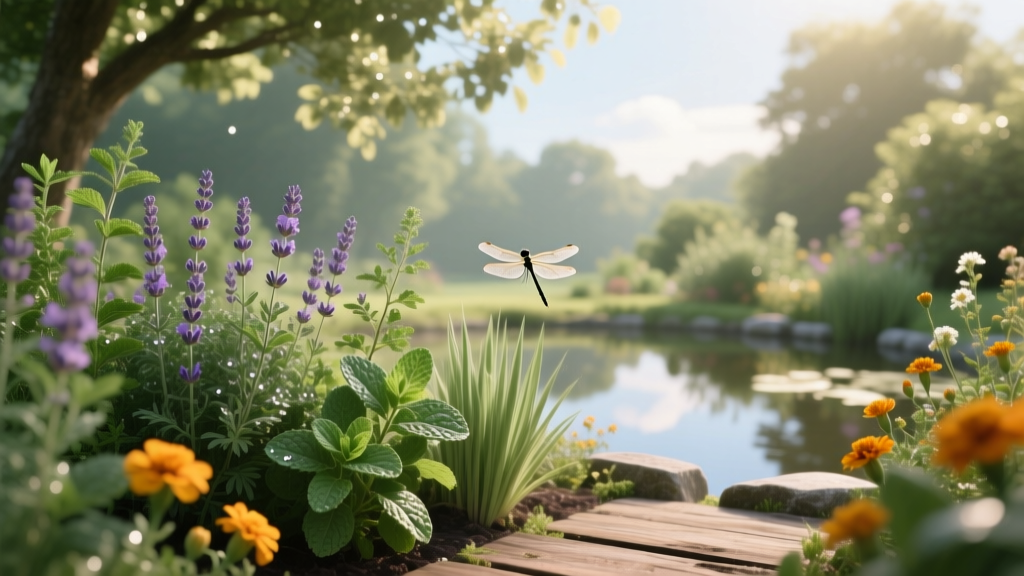
Summer Garden: Natural Mosquito Control in the Garden
The first hot, still evenings of summer are when mosquitoes “turn on”—and if you wait until you’re already getting bitten, you’re already behind. Mosquitoes can go from egg to flying adult in as little as a week when temperatures stay warm and water sits undisturbed. The opportunity right now: you can break that cycle with a few fast, targeted garden tasks that also protect pollinators, keep your yard usable at dusk, and reduce the need for sprays.
This is a practical, do-it-this-week approach. Start with eliminating breeding sites, then layer in habitat tweaks, biological controls, and plant choices that make your outdoor space less mosquito-friendly without turning your garden into a sterile zone.
Priority 1: What to protect (your family, pets, pollinators, and beneficial insects)
Hit the mosquito life cycle first: remove standing water weekly
If you do only one thing this week, do this. Many mosquitoes need standing water to reproduce; containers and micro-puddles around homes are the most common sources. Set a recurring “water walk” every 7 days (more often after storms).
- Empty or dump saucers under pots, buckets, wheelbarrows, toys, tarps, and clogged gutters.
- Refresh birdbaths and pet water bowls every 2–3 days (daily during heat waves).
- Scrub algae/biofilm from birdbaths weekly; eggs can cling to the sides.
- Fix drainage where water stands longer than 48 hours after rain (regrade, add soil, or install a French drain).
Timing note: Once nighttime lows are consistently above 60°F, mosquito activity and development accelerate in many regions. If your evening temps have crossed that line, tighten your water-walk schedule.
“The most effective way to reduce mosquitoes around your home is to eliminate standing water where they lay eggs.” — CDC guidance on mosquito source reduction (Centers for Disease Control and Prevention, 2023)
Use Bti (mosquito dunks/bits) where water can’t be emptied
Some water features can’t be dumped (rain barrels, ornamental ponds, stock tanks, low spots that hold water). In those cases, Bacillus thuringiensis israelensis (Bti) is a targeted biological larvicide that affects mosquito larvae and a few related flies, with minimal impact on other wildlife when used as directed.
- Where to use: rain barrels, clogged drains, pond edges, sump pits, roof-valley collection points, and any container you can’t empty.
- When: start when water temps reach about 60°F and reapply per label (often every 30 days for dunks; shorter for bits).
- What to expect: fewer adults within 10–14 days as existing adults age out.
Extension sources widely recommend Bti as part of integrated mosquito management; for example, Michigan State University Extension notes Bti products are effective larval controls when used appropriately (Michigan State University Extension, 2020).
Reduce bite pressure at dusk without harming beneficials
Even with good source reduction, mosquitoes can fly in from nearby areas. Use barriers and behavior changes that don’t interfere with pollinators:
- Run a box fan on patios during peak activity; mosquitoes are weak fliers. Start it 30 minutes before you sit outside.
- Time garden work for mornings instead of dusk when possible.
- Wear light-colored long sleeves for evening weeding; it’s the most reliable “natural” protection.
- Avoid broad-spectrum insecticides on flowers, especially during bloom—these can reduce beneficial insects that help keep other garden pests in check.
Priority 2: What to prepare (habitat adjustments that make your yard less mosquito-friendly)
Thin dense, shady resting areas near seating
Adult mosquitoes rest in cool, humid shade—often under decks, in tall grass, and in dense foundation plantings. You don’t need to remove your landscaping; you just need to manage the “mosquito microclimate” within about 20–30 feet of patios and doors.
- Mow and edge weekly; keep grass at 3–4 inches rather than letting it get tall and humid.
- Prune lower branches of shrubs to improve airflow (aim for a few inches of open space above mulch).
- Reduce clutter (stacked pots, tarps, unused containers) that traps humidity and collects water.
Refresh mulch the right way (avoid “wet sponge” conditions)
Mulch is valuable for water conservation and weed control, but thick, constantly damp mulch can create humid hiding spots. Keep mulch functional, not swampy:
- Depth: maintain 2–3 inches for most beds; avoid piling mulch against stems or trunks.
- Watering: water early in the day so foliage and surfaces dry before evening.
- Drip irrigation: switch from overhead sprinklers to drip/soaker lines where possible to reduce evening humidity.
Set up a “storm-response” routine
Summer thunderstorms can reset your mosquito pressure overnight. After heavy rain, do this within 24–48 hours:
- Walk the yard and dump anything holding water.
- Check gutters and downspouts for clogs.
- Inspect tarps, grill covers, and canoe/kayak covers for sagging puddles.
- Re-dose Bti sites if labels allow after large inflows.
Priority 3: What to plant (and what not to overpromise)
Plant for airflow and usability, not “magic repellent” claims
A lot of mosquito-control plant lists oversell the idea that a plant will “repel” mosquitoes just by existing. In reality, most aromatic plants only have strong mosquito-repellent effects when their oils are extracted or leaves are crushed. The better strategy: plant to improve airflow, reduce damp shade near seating, and support predators (dragonflies, songbirds) that fit your space.
High-value plants for summer mosquito management (by function)
Use these as part of a layered plan:
- For sunny, breezy borders near patios: lavender, rosemary, sage (USDA Zones vary; rosemary is often perennial in Zones 8–10, annual elsewhere).
- For containers by seating (easy to move and crush leaves when needed): basil, lemongrass (often grown as an annual), mint (keep contained—mint spreads aggressively).
- For pollinator support (strong ecosystem benefits): coneflower, bee balm, yarrow, milkweed (region-appropriate species). A healthy predator community supports overall pest balance, even if it doesn’t “wipe out” mosquitoes.
Smart water-feature planting (pond edges and rain gardens)
If you have a pond, rain garden, or wet area, plant it so water doesn’t stagnate:
- Use emergent plants that don’t form impenetrable mats and allow water movement.
- Keep pond edges accessible so you can remove debris and monitor larvae.
- Add a small pump or aerator; moving water discourages many mosquito species.
Priority 4: What to prune (and how to prune specifically to reduce mosquito pressure)
Prune for airflow near doors, patios, and play areas
In summer, pruning is less about shaping and more about drying the microclimate. Focus on plants within the “human zone”—where you sit, grill, garden, or kids play.
- Hydrangeas, viburnums, and dense shrubs: selectively remove a few interior stems to open air channels.
- Ornamental grasses: thin clumps that have become dense and damp at the base.
- Groundcovers: trim back from walkways and seating edges to reduce humid pockets.
Temperature threshold: avoid heavy pruning during extreme heat (days above 90°F), which can stress plants and trigger sunscald. Prune early morning, then water at the root zone if needed.
Don’t create new water traps when you prune
After pruning, dispose of clippings promptly. Piles can trap moisture; tarped piles can collect rain. Chip and compost properly, or bag and remove.
Monthly schedule (June–September) for natural mosquito control
| Month | What to do this week | Trigger conditions | What success looks like |
|---|---|---|---|
| June | Start weekly water-walk; treat rain barrels with Bti; mow/edge consistently. | Night lows > 60°F; first humid evenings. | Fewer mosquitoes around containers and downspouts within 10–14 days. |
| July | Increase checks after storms; prune for airflow near seating; refresh birdbaths every 2–3 days. | Thunderstorms; days > 85–90°F. | Evening patio time improves; fewer “clouds” in shady corners. |
| August | Re-dose Bti per label; scout gutters; reduce irrigation overspray; keep grass at 3–4 in. | Hot spells + intermittent rain. | Low larva counts in water sources; less biting at dusk. |
| September | Keep water-walk going; clear fallen fruit; prep for fall rains; repair screens. | First cool nights; leaf drop begins. | Fewer late-season mosquitoes; less indoor intrusion. |
Right-now checklists (printable-style)
10-minute mosquito control checklist (do today)
- Dump water in saucers, buckets, tarps, toys, and wheelbarrows.
- Walk gutters/downspouts for obvious clogs.
- Change birdbath water (scrub if slick).
- Set a calendar reminder for 7 days from now.
60-minute mosquito control checklist (do this weekend)
- Treat rain barrels/standing water you can’t dump with Bti (per label).
- Prune shrubs within 20–30 ft of seating to increase airflow.
- Switch patio watering to mornings; fix leaky spigots.
- Level low spots where water stands longer than 48 hours.
- Add a fan setup for dusk seating (test placement and extension cords safely).
Timelines that match mosquito biology (so your efforts actually stick)
Week 1: Break breeding cycles
Do two water-walks 3–4 days apart if you’ve had heavy rain or you’re already seeing mosquitoes. You’re trying to catch new puddles and containers before larvae mature.
Weeks 2–3: Reduce resting habitat and pressure near people
Prune for airflow, mow consistently, and adjust irrigation. This is when many gardeners notice the biggest improvement in comfort around patios—especially if the initial problem was container breeding.
Weeks 4+: Maintain and refine
Keep the weekly routine through late summer. If mosquitoes spike again, it’s almost always a new water source (storm debris in gutters, a tipped pot, a clogged drain) or nearby off-property breeding (ditches, neglected pools).
Regional variations: what changes depending on where you garden
Scenario 1: Humid Southeast (USDA Zones 8–10) with frequent thunderstorms
Your biggest challenge is constant re-wetting. Warm nights often stay above 70°F for long stretches, so mosquitoes can reproduce quickly.
- Priority: storm-response within 24 hours and strict weekly checks.
- Planting note: choose tough heat-loving herbs in containers near patios (basil, rosemary where hardy) and keep them trimmed for airflow.
- Protection: fans and screened porches pay off more here than “repellent plants.”
Scenario 2: Upper Midwest/Northeast (USDA Zones 3–6) with short, intense mosquito seasons
Mosquito pressure often peaks from early summer into mid-summer, then fluctuates with rainfall. You may also have woodland-edge shade and temporary puddles.
- Priority: manage temporary water (tire swings, tarps, clogged gutters) and keep edges trimmed.
- Timing: start your program after your last spring frost date passes and nights warm; many areas see meaningful activity when nights rise above 55–60°F.
- Preparation: fix low spots before fall rains; late-season mosquitoes can linger if September stays warm.
Scenario 3: Arid West (USDA Zones 7–10) with irrigation-driven breeding
In dry climates, the problem is often human-made water: over-irrigation, leaky valves, and saucers under pots. You can have bad mosquitoes even without much rain.
- Priority: audit irrigation—look for constant damp zones and fix leaks within 72 hours.
- Watering tactic: deep, infrequent watering in mornings; avoid creating persistently wet pockets near patios.
- Containers: remove saucers or fill saucers with sand so they don’t hold open water.
Pest and disease prevention tied to mosquito-control practices
Avoid the “spray spiral” that harms beneficial insects
Summer gardeners often reach for broad insect sprays when mosquitoes get bad, then wonder why aphids, mites, or whiteflies explode later. Many broad-spectrum products reduce predators and parasitoids. Instead:
- Use source reduction + Bti for mosquitoes.
- For garden pests (aphids, mites), rely on targeted tools: hand-sprays of water, horticultural soaps/oils used carefully, and protecting lady beetles/lacewings.
- Spray any product at dusk only if the label allows, and avoid spraying open flowers to protect pollinators.
Keep fungal diseases down while you manage humidity
Many mosquito-friendly conditions (dense shade, evening watering) also increase powdery mildew and leaf spot pressure. Your mosquito plan helps plant health if you:
- Water early and at the base of plants.
- Prune for airflow (especially cucurbits, bee balm, phlox).
- Remove heavily infected leaves rather than composting them if disease is active.
Plant-by-plant “do it now” notes for common summer garden areas
Vegetable beds: keep pathways weeded and dry by morning; fix drip leaks; avoid leaving harvest buckets outside where rain can fill them. If you use straw mulch, keep it fluffy and not waterlogged.
Container gardens: skip saucers in peak mosquito months or switch to self-watering containers with sealed reservoirs. If you must use saucers, fill them with coarse sand to prevent standing water.
Rain barrels: keep lids tight and screen all openings. Treat with Bti if any access point could allow egg-laying. University extension programs commonly recommend screening and larval control for barrels used for garden irrigation (e.g., Penn State Extension guidance on managing mosquitoes around homes and water sources; Penn State Extension, 2022).
Ornamental ponds: add circulation (pump/aerator), remove decaying plant matter, and use Bti if needed. Avoid stocking fish unless the pond is appropriately sized and managed; fish are not a set-and-forget solution.
Quick reference: what works best (and what’s mostly hype)
| Approach | Best use | Speed of results | Notes |
|---|---|---|---|
| Dump/refresh standing water | Every yard | 1–2 weeks | Highest impact; repeat every 7 days. |
| Bti dunks/bits | Water you can’t dump | 3–10 days | Targeted larval control; follow label intervals (often 30 days). |
| Fans on patios | Immediate relief while sitting | Same day | Reliable, non-chemical, doesn’t affect pollinators. |
| “Mosquito repellent plants” alone | Minor support | Variable | Helpful when crushed/used; not a stand-alone solution. |
If you make one seasonal commitment, make it the weekly water-walk through the end of summer. Keep going until nighttime lows regularly drop below 50°F in your area or until your first fall frost date approaches—mosquito activity often slows as nights cool, but warm spells can bring them back fast.
By tightening your water routine, opening airflow near living spaces, and using Bti only where it truly fits, you’ll notice a practical change: fewer mosquitoes at the door, fewer bites while watering, and a garden that stays friendly to the insects you actually want to keep.
Sources: Centers for Disease Control and Prevention (CDC), mosquito source reduction guidance (2023). Michigan State University Extension, mosquito management and Bti larval control recommendations (2020). Penn State Extension, homeowner mosquito management guidance including standing water and rain barrel screening (2022).