10 Garden Hacks for Extending Growing Season
Most gardeners lose weeks of growing time for one sneaky reason: they wait for the calendar instead of watching the soil and nighttime lows. A “safe” last-frost date is an average, not a promise—and a single clear night at 30–32°F can wipe out tender seedlings that were otherwise thriving. The good news is you don’t need a greenhouse (or a giant budget) to grab extra spring and fall harvests; a handful of well-timed hacks can buy you 2–8+ weeks on both ends of the season.
Below are 10 proven tricks, grouped by where they help most—warming soil, protecting plants from cold snaps, and squeezing more harvest out of late summer and fall.
Warm the Soil Faster (So You Can Plant Earlier)
1) Pre-warm beds with clear plastic “solar blankets”
Clear plastic laid tight over a bed works like a mini solar collector, often raising soil temperature by 5–10°F in a week of sunny weather. Pin the edges with soil or landscape staples so wind can’t vent the heat. Peel it back only where you’re planting, then re-cover until seedlings are up and the weather stabilizes.
Real-world example: If your soil is stuck at 45°F in early spring, a simple clear 2–4 mil painter’s plastic sheet (often $8–$15 for a large roll) can bump it closer to 55°F—enough to get peas, spinach, and onions moving sooner. Soil solarization and mulching effects on soil temps are well documented; plastic mulches can significantly increase early-season warmth (Penn State Extension, 2019).
2) Switch to black plastic or landscape fabric for heat + weed suppression
Clear plastic warms the most, but black plastic or black woven fabric is the better “set it and forget it” option because it also blocks weeds. Cut X-slits for transplants and seal edges—air leaks are where you lose heat. For many gardeners, the real win is not weeding in cold mud while your bed stays warmer.
Cost hack: One 3 ft x 50 ft roll of black plastic mulch often costs $12–$25, covers an entire row, and can last a season; woven landscape fabric costs more upfront but can be reused for years.
3) Build one “fast-draining” raised bed for your earliest crops
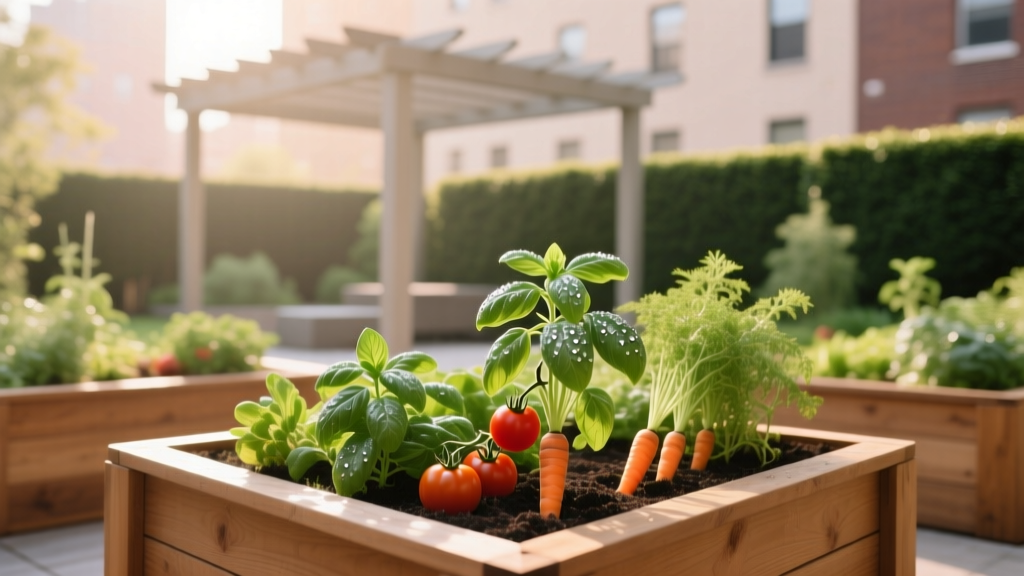
Raised beds warm faster because they drain and aerate better—especially in spring when the ground is saturated and cold. Even an 8–10 inch tall bed makes a difference; fill with a mix like 60% topsoil, 30% compost, 10% perlite or coarse sand to keep it from staying soggy. Put your earliest crops here: greens, radishes, onions, and early potatoes.
Case example: In a wet backyard with clay soil, one 4x8 raised bed can be the difference between planting spinach in late March versus mid-April—because you can actually work the soil without turning it into bricks.
Protect Plants from Cold Nights (Without Babying Them)
4) Use low tunnels with row cover—your cheapest “greenhouse”
Low tunnels made from hoops plus floating row cover are a season-extending workhorse. A common setup is 9-gauge wire or 1/2-inch PVC hoops every 3–4 ft, with spunbond row cover (like 0.9–1.25 oz fabric) clipped on top. Depending on fabric weight, you can often get 4–8°F of frost protection—sometimes more with a second layer.
Real-world example: Keep lettuce and bok choy alive through early fall frosts by tossing row cover over hoops before sunset, then venting it the next day if temps go above 70°F. For frost protection ranges and best practices, see University of Minnesota Extension (2020) guidance on row covers and frost protection.
| Method | Typical Frost Protection | Ventilation Needed? | Approx. Cost (4x10 bed) | Best For |
|---|---|---|---|---|
| Floating row cover (single layer) | ~4–6°F | Sometimes | $12–$25 | Greens, brassicas, early seedlings |
| Low tunnel + row cover | ~6–10°F | Yes (sunny days) | $20–$45 | Spring/fall extended harvest |
| Cloche (individual) | ~2–8°F | Yes (very) | $2–$8 per plant | Tomatoes, peppers, single plants |
| Cold frame | ~10–20°F (site-dependent) | Yes | $40–$200 | Hardening off, greens all winter in mild climates |
5) Combine row cover + water jugs for “thermal mass” on freeze nights
When a cold snap is predicted, add heat-storage under your cover. Fill 1-gallon jugs with water (or reuse milk jugs) and tuck them between plants under a low tunnel or inside a cold frame; water releases heat as it cools and can blunt the overnight temperature dip. This is especially handy for protecting transplants during a surprise 28–32°F night.
Case example: A gardener with early April brassica starts can stash 6–10 jugs along a 10-foot row and often avoid leaf burn that would otherwise stall growth for a week.
“Row covers work best when they’re sealed at the edges and paired with good timing—cover before temperatures drop, then vent when the sun returns.”
—Adapted from Extension frost-protection guidance (University of Minnesota Extension, 2020)
6) DIY cloches from 2-liter bottles (and how to keep them from cooking plants)
Cut the bottom off a clear 2-liter bottle and set it over a transplant like a mini greenhouse. The hack is to leave the cap off (or drill 2–3 holes) so it vents; otherwise, one sunny day can turn it into a plant sauna. Anchor with a U-pin or a small mound of soil so wind doesn’t launch it into your neighbor’s yard.
Money saver: A 10-pack of store-bought cloches can run $25–$60; a week of saved bottles is basically free and works great for peppers and basil during unpredictable spring nights.
Stretch Fall Harvest (Without Starting Everything Over)
7) Backward-plan from frost using “days to maturity” + a 2-week buffer
Fall gardens fail when planting happens too late—plants grow slower as days shorten, even if temperatures are perfect. Count backward from your average first frost date using the seed packet’s days-to-maturity, then add a 10–14 day buffer for slower growth. That buffer alone is often the difference between full heads of broccoli versus sad button-sized florets.
Real-world example: If your first frost is October 15 and your broccoli is 70 days, count back 70 + 14 = 84 days. That puts your target sowing/transplant window around late July—right when most people are thinking about vacations, not broccoli.
8) Use “instant shade” for late-summer seed starts (so they don’t fry)
Starting fall carrots, lettuce, and spinach in August is tricky because hot soil can delay germination. Lay a board, burlap, or a piece of cardboard over the seeded row for 2–4 days, checking daily and removing it the moment seedlings sprout. The goal is to keep the top 1/4 inch of soil evenly moist and cooler, not to smother seedlings.
Case example: In a sunny raised bed, a simple 1x6 board over a lettuce row can boost germination from “patchy” to “full row,” especially during a week of 85–95°F days.
9) Master succession planting with one simple rhythm: every 10–14 days
Instead of planting all your greens at once, sow small batches on a schedule. For lettuce, arugula, and radishes, a 10–14 day interval keeps harvest steady and lets you replace any sowing that gets hammered by heat or pests. Keep a dedicated “succession strip” bed that you re-seed repeatedly.
Practical detail: Mark rows with painter’s tape labels (date + variety). It’s a tiny habit that prevents the classic fall mistake: forgetting what you planted where and missing the best harvest window.
Microclimates: Steal Warmth From Your Yard
10) Plant the right crops in the right warm spots (south wall, paving, windbreak)
Your yard already has mini-climates—use them like cheat codes. A south-facing wall, fence, or stone edge can be 3–7°F warmer at night because it absorbs heat during the day and blocks wind. Put your borderline crops there (peppers, eggplants, late basil), and reserve colder, windier spots for hardy greens and brassicas.
Real-world example: A patio edge beside a brick wall is a perfect spot for container peppers in spring and fall; the same variety planted in an open bed may stall every time nighttime lows dip into the 40s.
Three Scenarios (So You Can Copy a Plan That Fits Your Garden)
Scenario A: Short-season, surprise-frost climate (Zone 3–5 vibe)
Focus on soil warming + quick protection. In early spring, pre-warm one bed with clear plastic for 7–10 days, then plant cold-tolerant crops while keeping low tunnels ready for any 28–32°F nights. In late summer, start fall brassicas by counting back 80–90 days from frost and use row cover again to protect from both cold and insect pressure.
Scenario B: Windy suburban yard with open exposure
Wind steals heat faster than you think, making “mild” nights feel brutal to plants. Prioritize sealing row cover edges and using hoops so fabric doesn’t flap (flapping pumps warm air out). Add thermal mass (water jugs) on the windiest side of a tunnel, and shift tender containers to the leeward side of a fence during cold snaps.
Scenario C: Budget gardener who wants maximum season for minimal spend
Skip expensive structures and stack cheap tools: DIY 2-liter cloches for a few special plants, a single roll of row cover for your most productive bed, and boards/cardboard for August germination shading. Many gardeners can extend harvest by 3–6 weeks for under $40–$60 if they focus on protecting the crops that pay them back (greens, herbs, and anything that’s expensive at the store).
A few insider timing tricks (the stuff people forget)
Cover before sunset. If you wait until it’s already cold, you’re trapping cold air. Put row covers on in late afternoon while the soil and plants are still holding heat.
Vent on bright days. Even when it’s 45°F outside, a cloche or tunnel can spike hot enough to stress plants. Crack open the end of a low tunnel or fold back row cover when inside temps climb above 75–80°F.
Water earlier in the day before a freeze. Moist soil holds heat better than bone-dry soil, which can help moderate overnight dips. (Don’t soak foliage at night; you’re aiming for warmer soil, not icy leaves.)
Sources worth trusting (and re-reading each season)
For deeper detail on how covers and mulches change temperature and plant performance, Penn State Extension’s materials on plastic mulches and season extension are a solid reference (Penn State Extension, 2019). For practical frost-protection tactics—especially row covers, timing, and ventilation—University of Minnesota Extension’s cold protection guidance is consistently useful (University of Minnesota Extension, 2020).
If you try only one hack this week, make it this: set up a low tunnel frame now (even if you don’t cover it yet). When the forecast suddenly shows a cold night, you’ll be the gardener harvesting salads while everyone else is replanting.