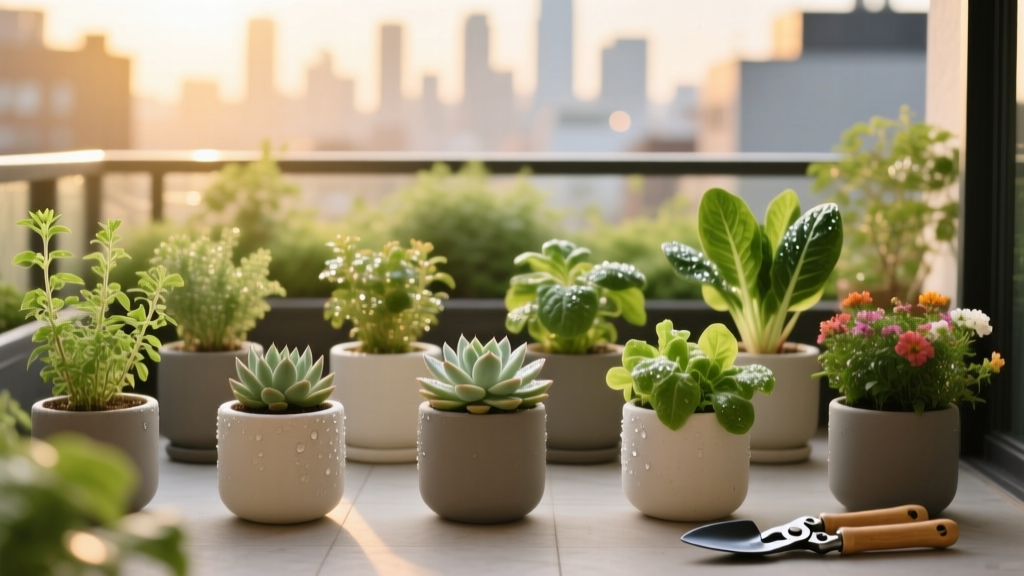
10 Garden Hacks for Healthier Plants
Most “plant problems” aren’t caused by pests or bad luck—they’re caused by good intentions applied at the wrong time. The classic mistake is loving your plants to death: watering too often, adding fertilizer “just in case,” or piling mulch against stems like a cozy blanket (that turns into rot). If you want healthier plants with less effort, the best hacks are small, targeted moves that fix the root cause fast.
Below are 10 garden shortcuts I actually use—organized by what they improve (soil, water, plant health, and pest pressure). They’re specific on purpose, with measurements, timing, and a few real-world scenarios so you can picture exactly how to do them in your yard.
Soil & Roots: Fix the Foundation (Fast)
1) Stop “guessing” with a 10-minute soil test (and fertilize only what’s missing)
Blanket fertilizing is one of the quickest ways to get big leaves and weak plants (and sometimes salty soil that burns roots). Grab a soil test from your local extension office or a reputable lab—many cost about $15–$30 and tell you exactly what to add and what to stop adding. Follow the report, especially for pH; many nutrients become unavailable when pH is off even if you’ve “fed” the bed all season.
Example: A tomato bed that keeps getting blossom-end rot often isn’t “low calcium” in the soil—it’s inconsistent moisture or pH locking nutrients out. A simple test can save you from buying three different bottles of cure-all products.
Citation: University of Minnesota Extension emphasizes soil testing as the best basis for fertilizer and pH decisions (University of Minnesota Extension, 2020).
2) Use compost like seasoning: 1 inch on top beats mixing it deep
Instead of digging compost in (which can disturb soil structure and bring up weed seed), spread a 1-inch layer over beds once or twice a year and let worms do the work. This “topdress” method boosts organic matter, improves moisture holding, and feeds soil life without you having to double-dig. If you’re short on compost, target just the root zone: a 12-inch ring around each heavy feeder (tomatoes, squash, roses).
Example: In a 4x8 bed, 1 inch of compost is roughly 2.7 cubic feet. That’s one of the cheapest upgrades you can make to tired soil without changing your whole setup.
3) Fix planting holes with a “water reservoir” trick (especially in raised beds)
In fast-draining soil, roots often dry out between waterings even when the surface looks fine. When planting, water the hole first, let it drain, then plant and water again—two rounds. For thirsty transplants (tomatoes, peppers, hydrangeas), add a small “reservoir” by making a shallow basin 8–12 inches wide around the stem so water doesn’t run off.
Scenario: Raised beds filled with a light mix can dry out in a single hot afternoon. This simple basin trick keeps water where roots actually are, reducing midday wilt without increasing total water use.
4) Add mycorrhizae only where it matters (and don’t waste it on brassicas)
Mycorrhizal fungi can improve root uptake and drought tolerance, but they’re not magic dust for every plant. Use it when transplanting mycorrhizae-friendly crops (tomatoes, peppers, many perennials) by dusting the root ball or planting hole—about 1 teaspoon per plant is often plenty (check label rates). Skip it for brassicas (cabbage family) and spinach, which generally don’t form helpful mycorrhizal relationships.
Money saver: Instead of broadcasting product across the whole bed, spot-apply at transplant time. A $20 bag lasts far longer when you treat only plants that benefit.
Citation: Mycorrhizal relationships vary by plant family; many brassicas do not form the common arbuscular mycorrhizae relationship (Royal Horticultural Society, 2021).
Water Smarter: Same Effort, Better Growth
5) Do the “tuna can test” to calibrate sprinklers in one watering
Sprinklers are notorious liars—some areas get soaked while others stay dusty. Place 5–8 empty tuna cans (or any straight-sided cans) around the watering zone and run your sprinkler for 15 minutes. Measure the water level and adjust sprinkler position until the cans read roughly the same; you’re aiming for an even application so plants aren’t stressed in dry pockets.
Example: If the cans average 0.25 inches in 15 minutes, that sprinkler rate is about 1 inch per hour. Now you can water for specific totals instead of guessing (and creating disease-prone wet spots).
6) Switch one bed to drip + mulch and watch disease pressure drop
Overhead watering splashes soil onto leaves (hello, blight spores) and keeps foliage wet longer. Drip irrigation delivers water at the soil level, and paired with 2–3 inches of straw or shredded leaves, it dramatically reduces soil splash and evaporation. If you’re on a budget, use a simple soaker hose for a $10–$25 test run on your most disease-prone bed (tomatoes or cucumbers).
| Setup | Upfront cost (typical) | Best for | Common downside |
|---|---|---|---|
| Overhead sprinkler | $0–$30 | Lawns, quick coverage | Wet leaves, uneven watering |
| Soaker hose | $10–$25 per bed | Simple rows, raised beds | Can clog; uneven on slopes |
| Drip line + emitter tubing | $25–$60 per bed | Vegetables, containers, shrubs | Needs basic layout planning |
Scenario: If your tomatoes get early blight every year, switching just that bed to drip and mulching can be more effective than any spray schedule—because you’re removing the splash-and-stay-wet conditions the disease loves.
Citation: Wet foliage and splash dispersal contribute to many foliar diseases; watering at soil level is a commonly recommended prevention strategy (Cornell University Cooperative Extension, 2019).
7) Water deeply, but only when the top 2 inches are dry (the screwdriver test)
Instead of watering on a schedule, use a long screwdriver (or a wooden dowel). Push it into the soil: if it slides in easily and comes out cool/damp, wait; if it meets resistance in the top 2 inches, it’s watering time. This hack prevents root rot in containers and helps garden plants grow deeper roots—especially important during heat waves.
Example: For peppers in a container, this test often reveals you’re watering every day when the root zone is still moist. Reducing watering frequency can improve growth and reduce fungus gnats.
Plant Health: Small Moves That Prevent Big Problems
8) Prune for airflow with a “hand-width rule” (and stop the leaf pile-up)
Many fungal issues start when leaves overlap and stay damp. Use the hand-width rule: aim for about a 4–6 inch air gap between dense stems/leaves where possible, especially on tomatoes, cucumbers, zinnias, and roses. Remove the lowest leaves that touch soil and any leaves that are shaded and yellowing—they’re not paying rent, and they’re a disease bridge.
Scenario: A backyard gardener with powdery mildew on zucchini can often slow it down by thinning a few leaves for airflow and switching to soil-level watering. It won’t make mildew vanish overnight, but it keeps plants productive longer.
“Most plant diseases need a susceptible host, the pathogen, and the right environment—often extended leaf wetness. Changing the environment is usually the easiest lever for a gardener to pull.”
—Adapted from extension plant pathology education materials
9) Use a cheap fan in the greenhouse or seed-starting area (yes, really)
Stagnant air is a seedling killer—damping-off disease thrives when soil stays wet and air doesn’t move. Point a small fan on low across seedlings for 4–8 hours per day (not blasting directly at them). This strengthens stems, reduces fungal pressure, and helps soil surfaces dry slightly between waterings.
Cost hack: A basic clip fan is often $15–$25, cheaper than replacing trays of seedlings and far cheaper than specialty anti-fungal drenches.
Pest & Weed Pressure: Win the Easy Battles
10) Block weeds with cardboard + the right mulch depth (and skip landscape fabric)
Landscape fabric often fails because weeds root into the mulch layer on top and then stitch through the fabric—plus it’s miserable to remove later. For new beds or paths, lay plain cardboard (remove tape) overlapping by 6 inches, soak it, then top with 3–4 inches of wood chips or shredded leaves. Cardboard smothers existing weeds, breaks down into organic matter, and costs almost nothing.
Example: Converting a weedy side yard into a pollinator strip? Cardboard + chips can eliminate weeks of digging. One homeowner I worked with covered a 10 x 20 ft patch using free appliance-store cardboard and two bulk yards of chips, then planted through it the next season.
Citation: Sheet mulching (smothering weeds with paper/cardboard and mulch) is a commonly recommended low-tillage method for weed suppression and soil improvement (Washington State University Extension, 2018).
Bonus Mini-Hacks (Use These to Stack Results)
You’ve got 10 solid hacks above, but these quick add-ons help you get even more mileage out of them without adding much work.
Label with paint pens, not popsicle sticks
Popsicle sticks rot and fade fast. A $5–$8 oil-based paint pen on UV-stable plastic labels will last multiple seasons, especially for perennials and seed-starting. If you want a DIY alternative, cut strips from a plastic milk jug and write with a paint pen—cheap and surprisingly durable.
Quarantine new plants for 7 days
Many pest outbreaks start with a “pretty new plant” from the nursery bringing aphids, mites, or fungus gnats into your garden. Keep new arrivals separate for 7 days and inspect the undersides of leaves. If you spot pests early, you can wash them off or treat them before they spread.
Use a $2 notebook to spot patterns faster than any app
Track three things: planting date, first harvest/flower date, and any problems (wilting, spots, pests). Over a season, you’ll start seeing patterns like “this bed dries out 2 days faster” or “powdery mildew starts right after nights drop below 60°F.” That’s the kind of info that makes your next year dramatically easier.
Three Real-World “If This, Do That” Scenarios
Scenario 1: Tomatoes that look lush but barely produce. Start with Tip #1 (soil test) because too much nitrogen is a usual suspect. Then use Tip #8 to prune for airflow and light, and Tip #6 to reduce leaf wetness—many “non-productive” tomatoes are actually stressed by disease pressure you can’t see yet.
Scenario 2: A raised bed that dries out constantly. Use Tip #3 (double-water the hole + basin), then lock in moisture with Tip #6 (2–3 inches mulch) and Tip #7 (screwdriver test). If you do only one upgrade, add soaker hose or drip; it’s the difference between daily babysitting and every-few-days confidence.
Scenario 3: New flower bed overrun with weeds. Skip the fabric and go straight to Tip #10: cardboard overlapping by 6 inches, soaked, topped with 3–4 inches of mulch. Plant through it with a hand trowel, and you’ll spend your time watering and enjoying instead of crawling around pulling weeds.
Healthy plants are mostly about removing stress: uneven water, compacted soil, crowded foliage, and weed competition. Pick two hacks that match your biggest pain point right now (usually water + weeds), then add one soil upgrade. In a couple of weeks you’ll see the difference—and by mid-season, you’ll notice you’re doing less “rescuing” and more harvesting.
Sources: University of Minnesota Extension (2020); Royal Horticultural Society (2021); Cornell University Cooperative Extension (2019); Washington State University Extension (2018).